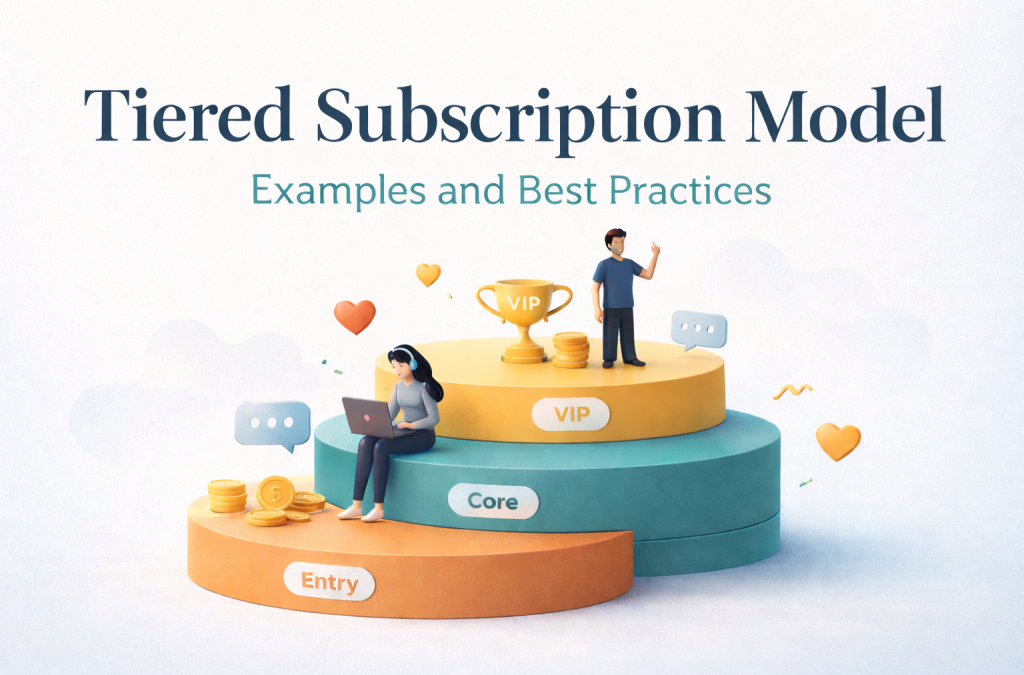
A tiered subscription model works when each level clearly shows what users gain by upgrading. The middle tier usually generates the most revenue, so it must feel like the obvious choice. Keep the structure simple, avoid overlapping benefits, and build a value ladder where every step unlocks something meaningful.
How to create tiers so people upgrade instead of getting confused? That question sits at the core of every paid creator project. Most people don’t struggle with content or audience. They struggle with structure. Tiers look fine on paper, yet users hesitate, pick the cheapest option, or don’t subscribe at all.
The reason is simple. Many setups feel messy. Benefits overlap, differences are unclear, and pricing looks random. When people have to think too hard, they stop. That’s where a tiered subscription model becomes more than a pricing format. It becomes a decision system.
A good structure removes friction. It shows exactly what you get, what you miss, and why upgrading makes sense. This logic works across fan communities, creator platforms, coaching products, and even SaaS tools. Wherever access and value can be layered, tiers can guide behavior instead of blocking it.
When done right, subscription tiers don’t confuse people. They quietly lead them forward.
What a Tiered Subscription Model Actually Is
Think of it like this. You’re not selling content. You’re selling how close someone gets to you.
A tiered subscription model is just a way to package that distance into levels. One person watches. Another chats. Someone else gets your time directly. Same creator, different depth of access.
That’s why a single price rarely works. It treats everyone the same, even though they behave differently. Tiers let you split that naturally without overexplaining it. The same logic applies across SaaS, media, and apps, but creator platforms make these differences easier to see in practice.
The reason this clicks in fan projects is simple. People don’t buy features. They buy access, attention, and feeling involved. When each level makes that difference obvious, choices become faster and upgrades start to feel expected instead of forced.
“If the differences between tiers aren’t made clear, customers can get confused and hesitate to commit.”
— Stripe, Pricing models explained: Types of pricing models and when to use them
The Logic Behind Subscription Tiers: Building a Value Ladder

If tiers feel random, people hesitate. If they feel structured, people move. That’s the difference this section is about. A strong value ladder gives users a sense of direction. They understand where they are and what sits one step above.
What Goes Into Each Tier
Every level should reflect a different type of behavior, not just a bigger bundle.
- Entry level usually covers passive access. Think posts, updates, or limited content drops.
- The middle subscription tier is where things get interesting. This is where users start interacting: comments, messages, early access, or regular exclusive content.
- The top tier focuses on closeness. Personal replies, private sessions, or priority treatment. Fewer people buy it, but they pay more and expect attention.
A tiered subscription model works when each level answers a different question. “Can I see it?” turns into “Can I be part of it?” and then into “Can I get direct access?”
Where to Set Limits
Limits are not restrictions. They shape behavior.
Instead of blocking users, they should create a reason to move up. For example:
- limit how often someone can message you
- restrict access to premium posts or archives
- control entry to private streams or sessions
The key is balance. If lower tiers feel empty, people leave. If everything is available everywhere, there’s no reason to upgrade.
A simple example shows how this plays out. Imagine 500 subscribers:
- 320 users at $7 = $2,240
- 140 users at $19 = $2,660
- 40 users at $49 = $1,960
Total: $6,860/month
The middle layer often carries the business. That’s why subscription tiers should be built around real engagement, not just content volume.
Practical Subscription Plan Examples for Creator and Fan Projects
This is the part most people actually look for. Not theory, not definitions, but real structure they can copy, adjust, and launch. A tiered subscription model only starts working when it’s translated into concrete offers that make sense for fans.
A 3-Tier Structure That Converts
A simple three-level setup works best in most creator projects because it matches how fans behave. Here’s what that looks like in practice:
- Entry tier ($5–10) — This level is about access, not depth. Fans typically get regular posts, selected exclusive photos or short videos, and early previews. For adult creators, this might include soft or partially gated content that hints at what’s available higher up without giving everything away. The goal is to lower the barrier and let people “step inside” without overthinking.
- Core tier ($15–25) — This is where most money is made. Fans expect consistent value: full-length exclusive videos, more explicit content if relevant, direct messaging (sometimes limited), and priority access to new drops. In fan communities, this is also where interaction starts to matter. People don’t just watch, they feel involved.
- VIP tier ($40–80+) — This level is about access to the creator, not just content. Examples include custom content requests, guaranteed replies, private live streams, or even scheduled 1:1 sessions. Many creators limit the number of VIP slots to keep it manageable and increase perceived value.
Why This Structure Works
The strength of this setup is clarity. Each level gives a clear reason to move forward.
| Tier | Typical price | What fans get | What pushes upgrade |
| Entry | $5–10 | Basic exclusives, previews, limited posts | Curiosity about locked content |
| Core | $15–25 | Full videos, messaging, regular content | Desire for interaction and consistency |
| VIP | $40–80+ | Private access, custom content, priority replies | Personal connection and exclusivity |
There’s no overlap. Entry gives access. Core builds engagement. VIP creates closeness. That separation keeps growth predictable and makes upgrade decisions feel obvious without extra explanation.
These kinds of subscription plan examples show one pattern: people rarely jump straight to the top. They move step by step when each level clearly unlocks something new.
The same idea plays out differently depending on what you create. A fitness creator might keep basic workouts in the entry tier, sell structured programs with weekly updates in the middle, and offer personal feedback or form checks at the top. An artist might place finished works in the middle tier, while higher levels unlock sketches, drafts, and behind-the-scenes process. In adult content, the shift is often about access and intensity, with higher tiers often built around custom requests, priority replies, or direct interaction.
Common Tiered Membership Mistakes That Kill Conversions

Some tier setups look fine at first glance. Clean names, decent pricing, a few perks listed under each level. Then nothing happens. People join the lowest level and stay there, or don’t subscribe at all. That’s usually not a traffic problem. It’s structure.
Overlapping Benefits and Weak Differentiation
If two levels feel similar, people don’t think longer. They just pick the cheaper one. This happens a lot when creators spread the same type of content across tiers and only tweak volume. “More posts” or “extra content” sounds vague. Fans don’t feel a shift in experience. They feel repetition. A solid tiered subscription model separates access clearly. One tier lets you watch. The next lets you interact. The top one brings you closer. Without that shift, upgrades stall.
Weak Middle Tier and Pricing Gaps
The middle is where most revenue should sit. When it feels like a filler between cheap and expensive, everything breaks. Either it offers too little, so people ignore it, or it sits too close in price to the top tier without giving a strong reason to choose it. A weak middle makes the whole tiered plan unstable. People don’t move through levels, they jump or drop off.
Too Many Conditions and Rules
When tiers start to look like terms and conditions, people lose interest. Limits are fine. Complicated limits are not. “Two messages per week, except weekends, unless…” — that kind of logic kills momentum. Fans don’t want to decode access. They want to understand it instantly.
Best Practices: Designing a Tiered Plan That Upsells Naturally

Look at pages where people actually move between levels. The difference is usually small details, not big ideas.
- Think in terms of “what changes after I pay more.” For example, a fitness creator can keep basic workouts in the entry tier, then unlock structured programs with weekly updates in the middle, and offer form checks or personalized plans at the top. Same niche, completely different experience depending on the level.
- Give the middle tier something people come back for. One creator I worked with moved from “extra posts” to “weekly drops every Friday.” Same amount of content, different framing. Suddenly people stayed subscribed because there was a rhythm.
- Use access timing as a lever. Early access works better than just “more content.” If one tier gets videos 48 hours earlier, it creates urgency without adding workload. Fans who don’t want to wait naturally move up.
- Don’t overload the top tier with random perks. It works better when it has one clear reason to exist. For example, limited monthly slots for custom requests or private Q&A sessions. Once those spots are taken, the tier feels exclusive without complicated rules.
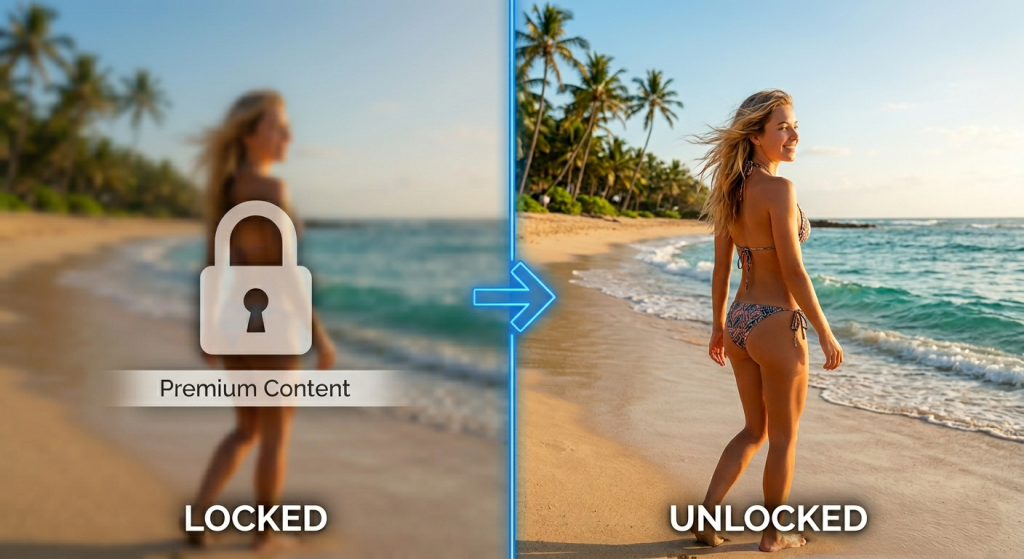
- Make upgrades visible in action. If someone in a lower tier sees locked posts, blurred previews, or missed live sessions, they already understand what they’re missing. No explanation needed.
- Fit the structure to how your product is consumed. Some types of subscriptions depend on frequency, others on interaction or access. Tiers make sense when you can stretch that experience across levels instead of repeating the same offer.
Where Most Tools Fail (and Why Flexibility Matters)
Most platforms look convenient when you start. You pick a few tiers, set prices, turn on subscriptions, and you’re live. This usually means ready-made creator platforms or subscription-based services similar to OnlyFans.
The problem shows up later. Your audience grows, behavior changes, and your structure stops fitting. Maybe fans want bundled content, or you want to mix subscriptions with paid messages or private sessions. That’s where limitations appear.
You can’t freely change how tiers work. You can’t combine access rules the way you want. Even small adjustments turn into workarounds.
Over time, this becomes the real bottleneck. Not content, not traffic, but how much control you have over your own monetization.
Scrile Connect: Create a Content Platform with Flexible Tiered Subscription Logic

Scrile Connect is built for cases where a standard setup doesn’t match how you want to monetize content. Instead of fitting into predefined rules, you define how access, payments, and interactions work from the start.
It’s a custom development service, not a marketplace or plug-and-play tool. You get a platform tailored around your own tiered subscription model, including how tiers interact with other revenue streams.
What this allows in practice:
- create subscription tiers with specific access logic, including content visibility, messaging permissions, or session availability
- combine subscriptions with paid content, tips, private calls, or custom requests without breaking the structure
- control pricing, billing flows, and commissions directly, without platform-imposed limits
- adjust tiers, benefits, and rules as your audience changes, without rebuilding the product
- scale from a simple setup into a more complex monetization system over time
This gives you room to experiment, refine, and grow without being locked into someone else’s framework.
What Tier Structure Works Best for Your Case
| Situation | Audience Behavior | Recommended Structure | What to Focus On | When to Upgrade Structure |
| Small or new audience | Mostly passive viewers, low interaction | 2–3 tiers | Clear entry point and strong middle tier | When users start asking for interaction or exclusives |
| Growing fanbase | Regular engagement, messages, repeat buyers | 3 tiers (Entry / Core / VIP) | Strong middle tier with consistent value and interaction | When VIP demand becomes hard to manage manually |
| Engagement-driven creators | Fans actively message, request content, join live sessions | 3–4 tiers with stronger separation | Access levels based on interaction (messages, sessions, priority) | When users want personalized offers or bundles |
| Premium / high-spending audience | Smaller group, high willingness to pay | 3 tiers + limited VIP slots | Scarcity, personal access, custom content | When demand exceeds your time capacity |
| Multi-stream monetization | Subscriptions + PPV + tips + services | Flexible or custom tier logic | Combining revenue streams without breaking access rules | When tools start limiting how you structure access |
| Mature platform | Large audience, different user segments | Hybrid structure (tiers + add-ons) | Segmentation, personalization, pricing experiments | When scaling requires automation and deeper control |
Conclusion
A working tiered subscription model comes down to clarity. People should instantly see what each level gives them and why moving up makes sense. When the middle tier feels right, it becomes the main revenue driver. When the value ladder is easy to follow, users move through it without hesitation.
If your structure feels rigid or hard to adjust, it limits how far you can grow.
Explore Scrile Connect solutions and build a platform where your tiers, access, and monetization work exactly the way you need.
FAQ
What is a tiered subscription?
A tiered subscription is a pricing setup where access is split into several paid levels. Each level offers a different mix of benefits, features, or access points at a different price.
What is a tiered service model?
A tiered service model is a structured way to deliver support, access, or features through separate levels. Each level is designed for a different depth of service, need, or customer segment.
What is a tiered membership?
A tiered membership is a membership structure with several levels of access or rewards. People unlock more value as they move up based on price, engagement, or participation.
How many tiers should a creator platform have?
Three tiers are enough for most creator and fan projects because they are easy to understand and compare. More levels only make sense when you have very different audience segments or several revenue streams.
What should be included in a middle subscription tier?
The middle tier should contain the strongest ongoing value because it usually becomes the main revenue driver. Good examples include full exclusive content, regular drops, better interaction, or earlier access.
How do I price a VIP subscription tier?
A VIP tier should be priced around access, scarcity, and creator time, not just extra content. Custom requests, private sessions, and guaranteed replies usually justify a much higher price.
What is the difference between tiered pricing and flat pricing?
Flat pricing gives every paying user the same offer for one price. Tiered pricing creates several levels so people can choose how much access or value they want.
When should I change my subscription tiers?
You should revise your tiers when upgrades slow down, the middle tier feels weak, or audience behavior changes. It also makes sense to update them when fans want new formats like bundles, messages, or private sessions.
Read also
| Article | What you’ll learn | When to read |
|---|---|---|
| Twitter OnlyFans | Adds a social-growth angle that helps explain where subscribers come from before pricing tiers even matter. | When you want to connect monetization structure with audience acquisition. |
| Snapchat OnlyFans | Useful for readers thinking about how different traffic channels feed into subscription ladders and upsell paths. | When you want to compare acquisition sources before optimizing tiers. |
| OnlyFans Categories | Helps show how content niche and audience expectations influence what kinds of tiers and offers make sense. | When you want to align pricing with category fit. |
| How to Start an OnlyFans Agency | Adds an operational angle for readers applying tiered monetization across multiple creators or accounts. | When you want to scale subscription strategy across a business. |
| Adult SEO | Provides a traffic source that can make tiered models more profitable by bringing in steady, intent-driven visitors. | When you want monetization to sit on top of durable acquisition. |
| How to Make a Social Media | Broadens the discussion into how subscription design fits inside the larger architecture of digital platforms. | When you want a product-builder perspective on memberships. |

Polina Yan is a Technical Writer and Product Marketing Manager at Scrile, specializing in helping creators launch personalized content monetization platforms. With over five years of experience writing and promoting content for Scrile Connect and Modelnet.club, Polina covers topics such as content monetization, social media strategies, digital marketing, and online business in adult industry. Her work empowers online entrepreneurs and creators to navigate the digital world with confidence and achieve their goals.