
You can post every day, answer DMs, run discounts, and still end the month with the same ugly question: which setup is actually making you more money?
That is where many creators get stuck. They cut the price to chase more sign-ups. Then someone says go premium and look exclusive. Meanwhile, another creator swears by free entry and heavy PPV. A few weeks later, the page is busier, the inbox is louder, and revenue still feels slippery.
The issue is usually not effort. It is structure.
When people look for the best OnlyFans subscriptions they often want a magic number. There isn’t one. The winning setup is the one that fits your traffic, your content stamina, your fan behavior, and your upsell path. Anything else won’t hold.
Get that fit right, and the upside is bigger than one better month. Rebills get cleaner. Fan spend starts to rise without constant discounting. The whole business feels less improvised. That is how a creator account starts turning into an asset instead of a daily scramble.

What “best OnlyFans subscriptions” really means for a working creator
“Best” does not mean cheapest. It does not mean most expensive either. And no, it does not automatically mean the page with the biggest subscriber number.
The best OnlyFans subscriptions are the ones that turn attention into recurring revenue without trapping you in a content pace you cannot keep. So when you compare models, look at four things together: how warm your audience is, how often you can deliver, how willing fans are to buy extras, and how much churn the setup creates.
For example, a creator with 20,000 casual social followers needs a different model from someone with 2,000 loyal niche fans who already ask for paid access. The first creator may need lower friction at entry. The second can often make more with fewer people because the buyer intent is stronger.
That is why generic pricing advice falls apart so fast. A low price can lift sign-ups, sure. However, if those subscribers cancel fast, ignore PPV, and soak up time in chat, the page is not growing. It is leaking.
And that leak is expensive. You feel it in hours, attention, and energy spent on fans who were never going to become your best buyers.
If your positioning still feels fuzzy, fix that before obsessing over price. In particular, your niche and page promise shape how people judge value. That is why OnlyFans niche ideas matters more than people think.
The four subscription paths creators usually choose
Most creators end up using one of four models. On the surface, they sound simple. In practice, each one creates different fan behavior, different workload, and different revenue quality.
Low-priced single subscription
This is the volume play. Entry feels easy, so conversion can move fast. If you already have traffic and know how to sell extras, it can work well. However, low-price pages often attract casual buyers who subscribe on impulse, watch quietly, and disappear before rebill.
Cheap entry fills a page quickly. It does not always fill a bank account.
Premium subscription
Premium pricing leans on exclusivity. It usually works best when fans already want access to you, not just cheap content. Because of that, this model can lift revenue per fan and cut down on low-intent sign-ups.
There is a catch, though. If your audience is cold, your page promise is vague, or your content feels inconsistent, a premium price can block the first purchase before the relationship even starts.
Multiple OnlyFans tiers
Creators often ask, does OnlyFans have tiers? In practical terms, yes: whether through your offer structure on-platform or through a wider setup around it, you can create levels of access. The point is to give fans a ladder instead of one flat offer for everyone.
A basic level, a VIP layer, and separate high-touch offers can work well when your audience has different spending levels. On the other hand, tiers become useless fast when the differences are blurry and buyers cannot tell what changes from one level to the next.
Free entry plus paid upsells
Free pages widen the top of the funnel. More people join, browse, and message. Then the money has to come from PPV, tips, customs, and chat-based selling.
Sometimes that works beautifully. Sometimes it creates a crowded waiting room full of people who love attention and hate paying.
Here is the side-by-side view that matters:
| Model | Best for | Main upside | Main risk | Works best with |
|---|---|---|---|---|
| Low-priced subscription | Creators with steady traffic and frequent posting | Fast entry conversion | Low-intent fans and weak rebills | Strong PPV follow-up and retention habits |
| Premium subscription | Creators with strong personal brand or niche loyalty | Higher value per fan | Slower first purchase rate | Clear exclusivity and consistent content quality |
| Tiered structure | Creators with mixed buyer types | Better segmentation | Confusing offer overlap | Simple, obvious differences between levels |
| Free plus PPV | Creators testing demand or pushing a wide funnel | High sign-up volume | Heavy chat workload and unstable recurring income | Sales discipline, message boundaries, and a real PPV plan |
No model wins by default. Fit wins.
If you want the revenue logic behind paid drops before changing your structure, read what PPV means. Otherwise, you are only adjusting the front door while ignoring what happens inside. If you want the underlying definition of pay-per-view itself, the Pay-per-view overview on Wikipedia is a useful baseline.
Why a cheap subscription can make less money than it looks like it should
The logic seems clean enough: lower the barrier, get more subscribers, and make up the difference on volume. On a spreadsheet, that can look smart.
Real fans do not behave like a spreadsheet.
Cheap pages attract more curiosity buyers, more discount hunters, and more impulse subscribers. Since the risk feels tiny, they join easily. Then many of them cancel just as easily, skip PPV, and expect a surprising amount for very little money.
This is where almost everyone loses. They confuse subscriber count with revenue quality.
Picture two creators. Creator A charges a low monthly price and pulls in 300 subscribers. The page looks active. DMs keep flying. The number feels exciting. However, half of those people vanish before rebill, PPV open rates stay weak, and custom offers barely move.
Now look at Creator B. She charges more and gets 110 subscribers. Fewer people join. Yet the fans are warmer, buy selected PPV, renew at a better rate, and respond to direct offers.
The first page looks louder. The second page usually makes better business sense.
A cheap subscription can work, but only when the rest of the system is built for it. Usually that means steady incoming traffic, enough content to avoid disappointment, a clear PPV ladder, and a real plan for rebills.
Miss those pieces, and the low price stops being a strategy. It becomes a hole in the floor.
That is exactly why so many creators end up studying OnlyFans rebill behavior after trying cheap entry. The first month gets attention. The second month tells the truth.
When premium pricing works better than volume
Premium works when access itself is part of the product.
Usually, that means a few things are already in place. Fans know your style. Your niche is clear. Content looks polished. People ask for more personal access, exclusivity, or a stronger sense of closeness. Because of that, the higher price feels like a filter, not a wall.
That filter matters. Fans who join at a premium rate often come in with stronger intent. They are less shocked by paid extras. They also tend to understand the tone of the page before they buy, which means less friction later.
Still, premium pricing has teeth. If the audience is cold, the page looks uneven, or the promise is vague, a high monthly fee does not create luxury. It creates hesitation.
Think of a velvet rope outside an empty club. Nice rope. Wrong problem.
So when does premium usually make sense? When the audience already trusts your image, your delivery, and your boundaries. When it does not, forcing a high price can choke off momentum before your funnel has a chance to work.
Presentation plays a bigger role here than many creators admit. Better lighting, cleaner backgrounds, and a stronger visual frame help people believe the premium promise faster. That is why practical fixes like OnlyFans lighting setup and OnlyFans background ideas can support pricing more than another random discount ever will.
Free OnlyFans vs paid: what each one actually creates in fan economics
The free only fans vs paid debate usually gets framed as reach versus exclusivity. That is too shallow. The real choice is where you want the work to happen.
With a paid page, friction sits at the door. Fewer people enter, but those who do are more likely to be buyers. Revenue starts sooner, and the audience tends to be smaller but cleaner.
With a free page, friction moves inside. More people join. Then you have to sort them, warm them up, sell through messages, manage attention, and keep offers moving. In other words, you are running a funnel by hand.
That can work. It can also eat your day alive.
Take a common example. A creator opens a free page because social traffic is high and losing people at the paywall feels scary. Sign-ups jump right away. A few PPV drops convert. Then the inbox fills with free chat, low-value requests, and endless back-and-forth from people who enjoy access but resist paying. Revenue rises a little. Workload explodes.
That outcome is not rare. It is one of the most common traps in this whole space.
Free works best when there is tight control behind it: clear paid offers, message boundaries, planned PPV sequences, and enough discipline to tell warm buyers from time-wasters. Otherwise, the creator becomes the product and the page turns into unpaid labor dressed up as audience growth.
Paid pages are usually stronger when you want cleaner recurring income, less chat-heavy selling, and more predictable monthly performance. They are weaker when your audience still needs a lighter first step before paying.
If you lean toward a free-first setup, it also helps to read no PPV meaning on OnlyFans. In contrast with the usual hype, the problem is rarely “free or paid” by itself. The problem is whether the offer path makes sense after the click.
OnlyFans tiers: when one price is too simple and when tiers help
One price feels clean. One decision for the fan. One offer to explain. One page to manage. In some cases, that is exactly right.
However, one price stops working when your audience clearly splits into different spending groups. Some fans want simple access. Others want priority replies, exclusive drops, or a closer experience. If you force everybody into one offer, you either leave money on the table or overload the base subscription with promises it cannot carry.
That is when only fans tiers start making sense.
A useful tier structure separates access levels without turning your page into a confusing menu. For instance, you might have a core access level for feed content, a VIP level for stronger exclusivity and faster responses, and separate custom offers for buyers who want personal content or direct time.
The key is clarity. Fans should know in seconds why one level costs more than another. If they have to study your page like a phone bill, the sale is already wobbling.
Tiers are strongest when buyer behavior already shows a split. Maybe a chunk of your audience happily pays for broad access while a smaller group spends far more on closeness and custom requests. In that case, tiers let you stop treating everyone the same.
Still, do not use tiers as a patch for weak demand. If the page already has poor conversion and soft retention, adding more choices can make the confusion worse. Keep it simple enough that you can explain the difference between levels in two sentences. Otherwise, strip it back.
As a broader pricing principle, too many choices can reduce action instead of improving it. The Choice overload explanation on Wikipedia is a good reminder of why clear offer separation matters.
The hidden revenue link between subscription price and PPV
A subscription price is not just an entry fee. It sets the mood for every sale after it.
That detail changes everything.
When the monthly price is very low, fans often expect the real value to come through frequent extras. As a result, PPV has to carry more of the revenue load. Timing matters more. Offer quality matters more. Miss the rhythm, and the whole model starts to wobble.
When the monthly price is higher, fans usually expect more value included up front. However, if the page feels worth it, PPV can convert better because it feels special instead of constant. In that setup, the paid drop is an event, not a toll booth.
Cheap pages often make PPV necessary. Premium pages often make PPV selective.
Neither is wrong. But they create very different fan habits, very different workloads, and very different revenue patterns.
So stop judging a model by subscriber count alone. Ask the harder questions instead. How many fans stay past month one? How many open offers? How often do they tip? Are they paying because they value the experience, or because the price is low enough to treat casually?
If tips are part of your stack, the same rule applies. Warmer fans spend differently. Their tips carry a different meaning, and their buying behavior is usually more stable. For more on that layer, see OnlyFans tips and tips every day on OnlyFans.
A practical comparison: which model fits which creator stage
You do not need the perfect pricing model for all time. You need the right one for the stage you are in now.
Here is the simplest way to think about it.
If you have a small audience but strong niche loyalty, Premium or semi-premium often beats cheap entry. Since the audience is limited, each fan needs to matter more.
If you have broad social traffic but weaker loyalty, Lower entry can work better. However, that only holds if you also have a real PPV and retention plan. Otherwise, people flood in and leak right out.
If your content stamina is limited, Avoid pricing that forces constant overproduction. A low monthly fee tied to nonstop posting can look efficient for one month and then break your pace.
If you are good at DM selling and setting boundaries, Free plus upsells can perform well because you are comfortable converting interest inside chat. Without those sales instincts, free often becomes noise.
If your biggest problem is churn, Stop staring only at the front-end price. In many cases, churn comes from mismatch: what the page promised, what the buyer imagined, and what the content rhythm actually delivered.
That is the real sorting question. Not “what price sounds best,” but “what setup fits my traffic quality, my energy, and the way my fans actually buy?”
If you want a broader lens beyond one platform, subscription pricing strategies is the right next read. It helps when you are comparing your current page against a fuller monetization system.

When a simple price change did not fix the real problem
A creator we’ll call Maya had a familiar problem: sign-ups were decent, renewals were weak, and she felt online all the time without ever getting ahead. So she decided the monthly price must be too high and lowered it.
For a short stretch, the page looked healthier. More people joined. Messages increased. The dashboard felt livelier. Yet PPV response did not improve, and the same pattern came back fast.
Subscribers arrived, watched, hesitated on extras, and vanished before the next billing cycle. The lower price changed the volume. It did not change the quality.
What finally helped was not another discount. She tightened what the subscription included, made premium drops feel distinct, and gave serious buyers a clearer VIP path. That made the warm spenders easier to spot and easier to serve well.
Her subscriber count did not explode. Her monthly revenue got steadier.
That is the lesson people hate because it sounds less exciting than a promo code: a price change often fails when the real problem is offer structure.
The contrarian point: the best subscription is not always the one with the most subscribers
A lot of advice online still pushes the same dream: grow subscriber count first, then figure out monetization later.
That sounds good. It breaks often.
A big subscriber number can hide a weak business. If those people do not rebill, do not buy extras, and do not respect your time, then you are carrying a crowd that looks better than it pays.
This is the trap many creators fall into. They chase the metric that is easiest to screenshot and ignore the ones that decide whether the page is actually sustainable.
The better measure, in many cases, is recurring revenue per active fan. Then look at rebill rate, PPV responsiveness, tip behavior, and whether the page still leaves you enough energy to create strong content next month.
If a smaller base pays more reliably and gives you room to work well, that is not a compromise. That is a stronger machine.
More subscribers only helps when the added people behave like customers. Anything else is crowd noise.
If you want the retention side of that machine to get stronger, a broader customer retention strategy matters just as much as pricing.
How to choose a model this week without guessing
Do not rebuild everything at once. Instead, make one deliberate choice based on what the page is already telling you.
If conversions are weak, ask whether the price is too high for a cold audience or whether the offer itself is unclear. If sign-ups are strong but revenue stays flat, ask whether your page is pulling in the wrong fan type.
And if your inbox is overflowing while income still feels unstable, stop lying to yourself: busy is not the same as paid.
Use this quick decision frame. Check audience warmth: are people already asking for paid access, or are you trying to convert broad attention with low loyalty? Check content stamina: can you support a high-output, lower-price model without burning out? Choose your selling style: do you want recurring income to carry more of the load, or are you ready to sell often through PPV and DMs? Audit your time honestly, because free and cheap models usually create more conversation work. Finally, judge by total fan value over a full billing cycle, not just sign-ups in week one.
Then make one move. Raise the subscription a little and sharpen what is included. Or keep entry affordable but build a cleaner PPV ladder. Or split basic access from VIP instead of stuffing everything into one plan. Or, if free chat is eating your life, move from free-first toward paid-first.
Watch the right signals for one full cycle: rebills, average spend per fan, message load, and your own ability to keep the page attractive without exhaustion. A model that only works while you are drained is not a growth model. It is a countdown.
If you want a neutral standard for how recurring revenue businesses think about churn and retention, the U.S. Small Business Administration is a solid general source on building a sustainable small business, even if your creator model is more modern than traditional.
Why owning the subscription system becomes the next logical move
Once you understand which subscription model fits your audience, a second question shows up fast: how much control do you really have if the whole business lives inside someone else’s platform?
That is where many creators hit the ceiling.
Platform-based pages are convenient at the start. However, convenience comes with limits: branding is limited, payment control is limited, bundle design is limited, and audience ownership is limited. Over time, that means your monetization structure bends around platform rules instead of matching how your fans actually buy.
For a creator still testing demand, that trade-off may be fine. For someone already making money, it starts costing real revenue. You feel it when you want cleaner tiers. You feel it when you want subscriptions, tips, PPV, private messages, and premium offers to work together under your own brand. You feel it when payout flow or analytics are too rigid to support better decisions.
That is why the next decision is often bigger than “which OnlyFans price should I set?” The real question becomes: what kind of monetization system am I building, and how much of it do I want to own?
Done right, ownership changes the game. A well-built setup can outgrow one page, one offer, even one persona. It can support a stronger brand, cleaner repeat revenue, team workflows, and a buyer journey that does not reset every time a platform changes the rules. That is buildable value. It is not just another month of hustle.
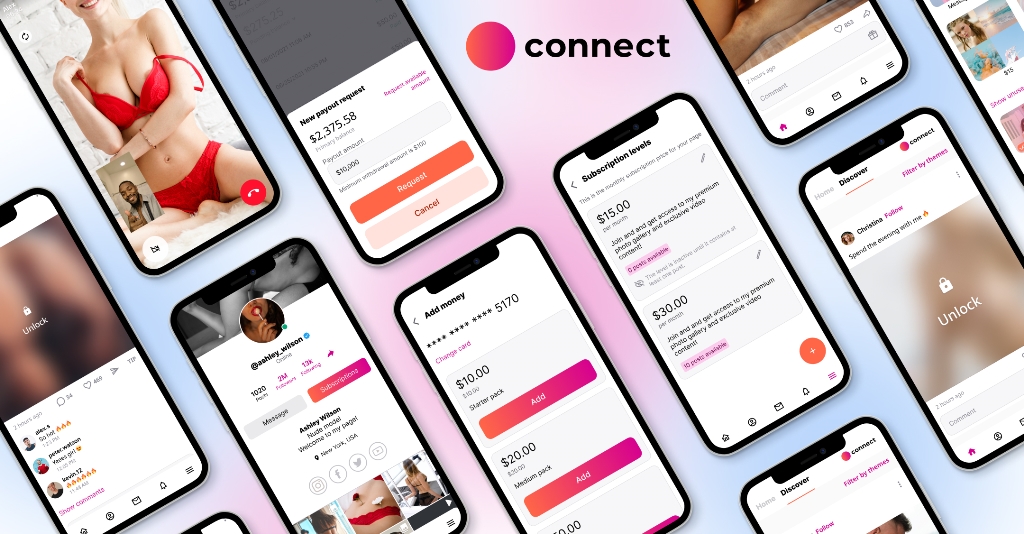
In that context, Scrile Connect makes sense as a serious next step for creators or small teams who have outgrown guesswork. It is a white-label platform for launching a branded fan and subscription site with subscriptions, tips, PPV, private messages, live streams, video calls, and custom payment flows.
The point is not to rebuild for the sake of rebuilding. It is to stop squeezing a growing business into a shape it did not choose. If your current setup already feels too narrow for the way you want to sell, brand, and manage payouts, that limit will keep showing up.
Under your own domain and branding, the offer can finally match the audience instead of the other way around. You can shape access levels more clearly, accept payments through supported gateways including cards and crypto, manage users and payouts in one dashboard, and keep subscriptions, tips, and paid content tied together in one system. That is not a cosmetic upgrade. It is operating leverage.
So if your page still feels like an early test, keep refining the model. But if it already feels like a real business, platform dependence is probably the next bottleneck. At that point, reviewing A Better Way to Control Subscriptions, Tips, and Paid Content is a practical move, not a fantasy one.
Better control without rebuilding from zero
The biggest objection is usually time. Creators hear “own your platform” and imagine a long build, tech headaches, and months lost in setup.
That fear makes sense. It is also often outdated.
A system like Scrile Connect Is built for people who want more control without hiring a dev team. You can launch under your own brand, combine recurring subscriptions with PPV and tips, use supported card and crypto payment flows, and manage the business from one dashboard with hosting, onboarding, and support included.
That matters because the jump from creator account to owned monetization business should not depend on technical heroics. It should depend on clarity, fit, and timing.
By now, the pattern should be clear. The best onlyfans subscriptions are not the ones that look cheap, look premium, or look busy. They are the ones that match your audience, protect your energy, and increase total fan value over time.
Start there. Tighten the model you have this week. Then, if the limits of platform-only monetization are already obvious, evaluate whether Scrile Connect fits the business you are actually building. If it does, the next move is simple: take a closer look at A Better Way to Control Subscriptions, Tips, and Paid Content and decide whether you want to keep renting your setup or start owning it.
Frequently asked questions
What is the best OnlyFans subscription price point for maximizing conversions without hurting monthly revenue?
There is no single best price point, because conversion and revenue quality depend on your audience, niche, and upsell path. A lower price can increase sign-ups, but it can also bring in more casual fans who churn quickly and buy less PPV. The best starting point is the one that matches your traffic quality and lets you keep a healthy rebill rate.
When should a creator offer a low-priced subscription versus a premium tier on OnlyFans?
A low-priced subscription works best when you already have steady traffic and a strong plan for PPV, tips, or messaging. A premium tier makes more sense when your audience already trusts your brand, wants exclusivity, and is likely to value closer access. If your page promise is still unclear, a premium price can slow growth before the funnel has time to work.
How should OnlyFans subscriptions be bundled with PPV so fans keep subscribing and still increase spend?
The subscription should create enough value to keep fans rebilling, while PPV adds extra options for people who want more. That usually means keeping the monthly offer clear and consistent, then using PPV as a separate layer instead of forcing everything into the base price. If the subscription is too cheap or too vague, fans may expect too much for free and ignore paid extras.
What pricing model works best for a new OnlyFans creator trying to get first-month subscribers?
For a new creator, the best model is usually the one that lowers friction without creating a messy long-term page. A low entry price or free entry can help with first-month sign-ups, but only if you already have a plan to convert those fans with messaging, PPV, and clear boundaries. If you do not have that system yet, a simple paid subscription is often easier to manage.
How do I choose between monthly, quarterly, and annual OnlyFans subscription plans for higher retention?
Monthly plans are easier for new fans because they feel low commitment, while quarterly and annual plans work better once people already trust your content. Longer terms can improve retention and reduce churn, but they usually need a stronger value proposition and more confidence from the fan. If your rebill behavior is still unstable, start with monthly and test longer plans later.
Is a free page better than a paid page for long-term revenue?
Not always. Free pages can bring in more people, but they also usually create more chat work and a larger group of fans who are harder to convert into steady spenders. Paid pages often attract fewer subscribers, but those fans are more likely to be serious buyers and renew longer.
A Better Way to Control Subscriptions, Tips, and Paid Content

Builds SaaS platforms for content creators, agencies, and entrepreneurs. Writes about the business mechanics behind creator-economy products and how custom software actually ships.