
Quick answer
If you are comparing content creation platforms for monetization, start with the job the platform must do: help you get discovered, collect money from people who already want to pay, or run the business on infrastructure you control. That choice matters more than the brand name. If you need reach first, do not overbuild ownership. If you already have demand, rented attention gets expensive fast because fees, data limits, and migration risk start eating the upside.
Related guides:
Meta description: Compare 3 content creation platform models, see where fees and control differ, and pick the right setup faster without overbuilding.
What content creation platforms actually solve
A creator can post every day, attract comments, and still have no clean way to answer three basic questions: who paid, who churned, and who can be contacted next month. That is why “content creation platforms” is too broad to be useful on its own. The real decision is not where to publish; it is where audience, payments, and control live.
That distinction matters because the same business can look healthy on the surface and still be fragile underneath. A channel that brings attention is not the same thing as a channel that brings repeat revenue. A platform that collects money is not the same thing as a platform that lets you keep the relationship.
For a solo creator, the first failure is often simple: good content, weak conversion. For a small agency, the first failure is usually operational: payouts, permissions, and customer data scattered across too many tools. In both cases, the mistake is the same — choosing a platform model that solves the wrong problem.
In the creator economy, the expensive mistake is not “using the wrong app.” It is building on rented ground when you needed direct ownership, or buying an owned stack before you had demand to feed it. Both mistakes can waste months.
The three content creation platform models
Do not compare all content creation platforms as if they were substitutes. A discovery platform, a monetization platform, and a white-label platform solve different business problems. Once you separate them, the tradeoffs become readable.
Audience-growth platforms
These platforms are built to put your work in front of new people. Social feeds, recommendations, short-form video, and search surfaces all serve the same job: discovery. If you are still testing whether anyone cares about the niche, this is usually the fastest route.
The upside is obvious. You can start from zero, publish fast, and learn which hooks, topics, and formats get attention without building a full site first. That is why a creator with 1,000 followers on a growth platform can often learn more in two weeks than a creator buried in a polished but empty owned setup can learn in two months.
The weak point shows up later. On rented reach, the platform can change the rules, throttle visibility, or move the audience away from you. In practice, that means the creator is building on traffic they do not control. If you need rapid discovery, that trade is acceptable. If you already have demand, it becomes expensive.
This model is strongest when the problem is “nobody knows me yet.” It is weak when the problem is “people know me, but they are not paying enough” or “I cannot tell which followers are actually valuable.”
Monetization-first platforms
These platforms are built to turn existing attention into revenue. Membership tools, paid posts, subscriptions, tips, digital goods, and direct messages all sit in this category. They are useful when the audience already exists and the bottleneck is cash collection, not reach.
That is also where fee math starts to matter. A platform can charge a commission, a monthly SaaS fee, payment-processing fees, or some mix of the three. A small difference can look harmless at $300 a month and painful at $15,000 a month. The platform that takes less on paper is not always cheaper in real use if it blocks features you later need.
Zero-commission positioning belongs here, but it should be read carefully. “Zero commission” usually means the platform does not take a percentage of creator earnings. It does not mean zero cost, and it does not mean zero lock-in. For a creator with a paid audience already in place, this model can be the fastest way to improve margin without rebuilding the whole business. For a creator with no demand signal yet, it can become a shiny payment page attached to a weak offer.
Owned / white-label platforms
These platforms move the business onto infrastructure the creator or agency controls. Branding, pricing, payout flow, rules, and data access sit closer to the business instead of inside someone else’s feed. That shift matters once the audience is real and the business needs repeatable operations.
Ownership here is not a slogan. It means you can identify members, re-contact buyers directly, export data, and shape the customer journey without waiting on another company’s product limits. If you cannot export audience data cleanly or reach buyers without platform permission, you do not really own the relationship.
This model is the cleanest fit for creators who already know demand exists and want a stronger business structure around it. It is also the best fit for agencies that manage multiple creators, because one payout problem or one permission issue can burn hours every week.
White-label infrastructure is not inherently “better.” It is just better when the business is ready for control. If you need discovery first, the extra setup can slow you down. If you already have demand, the control starts to pay back quickly.

How to compare content creation platforms by money, control, and reach
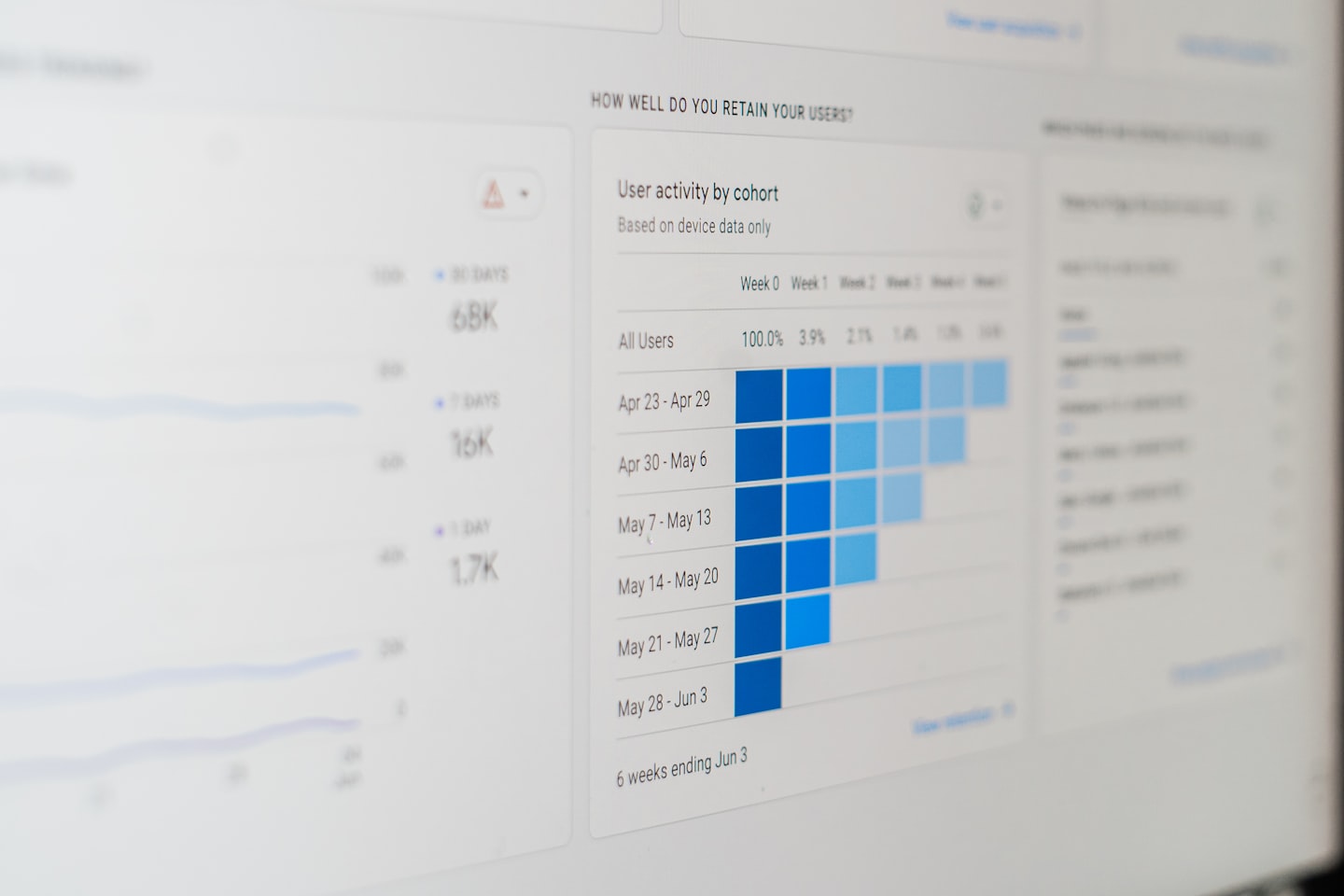
Most platform guides stop at a clean three-word frame: control, monetization, scalability. That sounds smart and still leaves you without a decision. The practical version asks five questions: what do you pay, what data do you keep, how do people find you, which revenue tools are available, and how hard is it to leave later.
Those questions matter because hidden costs rarely show up in the headline. A commission looks small until it compounds. A monthly fee looks annoying until it replaces several tools. A platform with good discovery can still be the wrong choice if it leaves you unable to re-contact buyers after a churn spike.
Fee model
Commission is only one layer. Monthly SaaS fees, payment-processing fees, premium feature gates, and payout delays can matter just as much. A solo creator making $500 a month can absorb a 10% fee more easily than a team doing $25,000 a month can absorb stacked costs across several offers.
That is why “zero commission” should never be translated into “free.” It usually means the platform does not take a percentage of each sale, not that the business runs without cost. As revenue rises, the fee model starts to behave like a profit model.
When you compare platforms, ask one blunt question: after the platform and payment layer take their cut, how much of each sale do you keep? If the answer changes every month because of feature gating or add-ons, the platform is harder to predict than it looks.
Audience ownership and data access
Ownership is operational, not philosophical. It means you can identify the people who paid, contact them directly, and keep the relationship without asking the platform for permission. If the platform blocks export, hides buyer data, or keeps messages sealed inside its own inbox, the audience belongs to the platform first.
That matters most when retention starts to slip. A creator who can email or message buyers directly can test a reactivation offer in a day. A creator trapped inside platform-only messaging may have to spend more just to find the same people again. The result is more work for the same revenue.
For agencies, the data question gets even sharper. One broken export can create duplicate outreach, confused support, and payout disputes. When you manage more than one creator brand, “ownership” is really a workflow issue, not a slogan.
Discoverability
Some platforms create demand; others capture it. If you are pre-audience, discovery is not a bonus feature. It is the whole point. If you already have a following, discovery matters less than conversion, retention, and the ability to sell repeatedly.
The tradeoff is easy to miss because growth platforms often feel exciting. They can bring attention fast, but they also make the creator dependent on algorithms that can shift without warning. One update can move your reach, and one weak week can look like a content problem when it is really a distribution problem.
This is where the decision turns. If the business still needs visibility, choose a model that helps people find you. If the business already has demand, choose a model that helps you keep more of each sale and keep the customer relationship.
Monetization tools
Subscriptions are only the base case. Serious creator businesses usually need a mix of paid posts, tips, bundles, private messages, live access, digital products, or custom pricing. The right platform is the one that fits the offer you plan to sell in the next 90 days, not the one with the longest feature list.
That is especially true for creators whose revenue depends on more than one format. A writer may need memberships and paid archives. A coach may need bookings and digital products. An agency may need several creator profiles, separate pricing rules, and one payout flow. One generic “creator platform” rarely fits all of that cleanly.
Switching cost
Migration is where cheap choices become expensive. Moving audience data, payment history, support workflows, and content archives takes time, and the cost is not only technical. A team can lose two to six weeks simply recreating the old workflow in a new system and fixing the edge cases that were hidden before.
If the move would break payment history or force buyers to re-enter trust decisions, the platform deserves a much higher bar. A clean exit path is part of the product. If the exit is messy, the business may look profitable while quietly becoming harder to move.
The best time to think about switching cost is before the first sale, not after the platform is full of paying users. Once the revenue is there, every migration decision carries more risk.
| Comparison point | Audience-growth platform | Monetization-first platform | Owned / white-label platform |
|---|---|---|---|
| Primary job | Reach and discovery | Convert existing demand into revenue | Run a branded business on infrastructure you control |
| Typical cost signal | No direct commission, but dependence on algorithmic reach | Commission, SaaS fee, or both | Subscription or setup cost, plus payment processing |
| Audience ownership | Low | Medium | High |
| Discoverability | High | Low to medium | Low unless the creator drives traffic |
| Data access | Limited | Partial | Direct access, depending on setup |
| Switching cost later | Low to medium | Medium | Medium to high if the business migrates from another stack |
The table is useful because it cuts through the marketing language. A platform with the lowest visible fee can still be the most expensive choice if it blocks contact data or makes migrations painful. A higher-priced owned stack can be the better deal if it reduces rework, support chaos, and repeat customer loss.

Which platform model fits which creator type
Stage matters more than most platform lists admit. A solo creator testing demand, a creator with a paying audience, and an agency managing multiple brands are not solving the same problem. If you choose as if they are, the platform will feel wrong within a few months.
The fastest way to waste time is to buy control before you need it or chase discovery after the business already depends on retention. A good fit is not about prestige. It is about matching the model to the current bottleneck.
Solo creator testing demand
If you are still proving that anyone will pay, use the lightest setup that gets you answers quickly. Reach-first platforms are usually better here because they help you learn what people watch, click, and save without forcing a full operational stack.
At this stage, a clean test is worth more than a perfect brand system. If an offer cannot convert a small engaged audience, moving to a more advanced platform will not fix the demand problem. The hard truth is that the bottleneck may be the offer, not the software.
That is why a creator with a small but active audience should ask one question first: did the content fail, or did the offer fail? If the answer is not clear, build for learning, not for perfection.
Creator with an existing audience
Once there is already demand, the focus shifts from discovery to retention and margin. This is where monetization-first platforms usually make sense. You already have traffic; now the goal is to keep more of each sale and make the buyer journey easier.
The common failure here is subtle. A creator can grow a paid list and still lose money because the platform stack slices revenue into too many small pieces. If fees, add-ons, and payment costs rise faster than the audience does, the business starts to leak value.
For this group, the key question is not “how do I get more followers?” It is “how do I make existing demand pay more cleanly?” That is a different problem and a different tool choice.
Agency or managed operation
Agencies need repeatability, not just a checkout page. They usually care about role controls, multiple profiles, payout visibility, support handoffs, and the ability to run several offers without rebuilding the stack each time. White-label infrastructure fits that shape better than a single creator app.
When an agency manages three or more creator brands, admin overhead becomes a real cost. One missing permission or one confused payout can eat hours every week. At that point, the platform is not only a sales tool; it is the operating system for the business.
That is why an agency should judge a platform by workflow friction as much as by front-end features. If the team spends time patching gaps every week, the software is not actually saving money.
When a platform is the wrong answer
Sometimes the best move is to wait, not switch. A creator who still needs reach, has no paying audience, or expects a major pivot in the next few weeks should not lock into a heavy owned stack too early. The lightest model that proves demand is often the smartest one.
The mistake here is emotional as much as technical. It feels productive to build a nicer home for a business that has not yet proven it can pay rent. But if the audience is not there, the platform only makes the problem look more professional.
You need reach more than control
If the main bottleneck is discovery, an owned site will not solve it. You still need traffic, and traffic still has to come from somewhere: social, search, collaborations, or paid acquisition. Without that flow, the most polished platform can become a quiet page with no visitors.
This is the easiest trap in the category. A creator can spend weeks on structure, branding, and checkout flow while the real issue is that no one is finding the offer. In that case, the better move is usually to keep the setup light and keep testing channels that can bring eyes to the work.
Your audience is not ready to pay
Many creators ask for the monetization tool before the monetization signal exists. If the audience has not shown a willingness to pay, switching platforms will not solve the core issue. It only changes the wrapper around the same problem.
For a live audience, the first paid offer often needs to be simple, specific, and easy to understand. If engagement is there but sales are not, the gap may be pricing, packaging, or trust — not platform type. That distinction saves time and prevents false migrations.
A useful rule: if you cannot explain why a small percentage of your audience would pay this month, you are probably too early for an owned monetization stack.
Migration risk is still too high
When payment history, content archives, or direct messages matter for retention, migration has to be planned like an operational project. Moving too fast can break the audience path and force support to answer the same questions twice. That creates churn, confusion, and avoidable rework.
As soon as the business depends on repeat buyers, the cost of a bad move goes up. One week of sloppy transfer work can turn into lost renewals and a messy customer experience that takes months to clean up.
If the platform cannot be left cleanly, delay the move until export, onboarding, and fallback paths are mapped. Exit risk is part of platform choice.
| Trigger | What it signals | Best next move | Risk if ignored |
|---|---|---|---|
| Audience is still small and unproven | Discovery matters more than ownership | Use an audience-growth platform first | Overbuilding before demand exists |
| Followers already convert but fees feel heavy | Monetization is the bottleneck | Move to a monetization-first platform | Revenue leakage on every sale |
| Multiple creators or brands must be managed together | Operational control matters | Consider an owned / white-label setup | Admin work grows faster than revenue |
| Switching would break data or payouts | Migration risk is high | Delay the move until export and onboarding are mapped | Churn, confusion, and lost revenue |
For a deeper look at one monetization branch, the Fanfix explainer is the next logical step. It sits one layer lower in the funnel and helps when you are already comparing direct creator monetization models rather than deciding the platform class itself.
Decision checklist for choosing a content creation platform
Use this checklist before you commit. It is designed to cut through marketing language and force the real tradeoff into view.
- Can you export audience data and contact buyers directly?
- Is the platform’s fee model commission-based, SaaS-based, or both?
- Does discovery come from the platform or from your own distribution?
- Which monetization tools do you actually need in the next 90 days?
- How much work would a clean migration take if the platform stopped fitting?
If three of those answers are weak, keep looking. The goal is not the most famous platform or the lowest headline fee. The goal is a model that fits the way your business will actually make money next.
Where Scrile Connect fits this picture
For creators, agencies, and businesses that have already decided reach is not the main bottleneck, Scrile Connect sits in the owned / white-label model. That matters because it keeps the brand, the site, and the payout flow in one place instead of spreading them across a third-party stack. In this category, the practical difference is not theory: it is whether you can launch under your own domain, control the rules, and keep the monetization logic aligned with how your audience actually pays.
It is not the answer for every stage. A creator still trying to find demand should usually stay with faster discovery tools first. But once the business needs subscriptions, pay-per-view, paid messages, or a more flexible payout setup, an owned platform starts to solve a different class of problem. That is the point where a white-label system becomes less of a platform choice and more of a business structure choice.
Agencies, niche community operators, and creators moving beyond a single paid channel tend to feel this fastest. The value shows up in fewer handoffs, cleaner admin, and a setup that can support multiple offers without rebuilding the stack each time. When the economics depend on control, a white-label model is often the cleanest fit.
Where Scrile Connect fits this picture
Scrile Connect belongs in the owned-platform part of the map, where the question is not whether a creator can get reach, but whether the business should keep running on rented ground. It is built for teams that want a branded site, direct payments, and a clearer split between audience growth and monetization. That makes it relevant when the fee model, control level, and data access all start to matter at the same time.
Frequently asked questions
Which content creation platform model is best for a new creator?
Usually the model that helps with discovery first. If nobody knows you yet, start with a growth platform so you can test demand before paying for heavy infrastructure.
When does a monetization-first platform make more sense?
Use it once the audience already exists and the bottleneck is turning attention into revenue. It is a better fit when conversion and margin matter more than reach.
What does audience ownership mean in practice?
It means you can identify buyers, export data, and re-contact people without asking the platform for permission. If those things are blocked, ownership is weak.
Why does fee structure matter beyond commission?
Because monthly SaaS charges, payment processing, and feature gates can change the real cost more than the headline commission does. The full stack matters once revenue starts to grow.
When is an owned or white-label platform the wrong choice?
When you still need discovery more than control, or when the audience is not ready to pay. In those cases, owned infrastructure adds work without solving the bottleneck.
What should an agency look for first?
Role control, payout visibility, data access, and a workflow that can handle multiple creators without constant patching. If admin takes too much time, the platform is not really helping the business.

Polina Yan is a Technical Writer and Product Marketing Manager at Scrile, specializing in helping creators launch personalized content monetization platforms. With over five years of experience writing and promoting content for Scrile Connect and Modelnet.club, Polina covers topics such as content monetization, social media strategies, digital marketing, and online business in adult industry. Her work empowers online entrepreneurs and creators to navigate the digital world with confidence and achieve their goals.