
Quick answer
Switch an OnlyFans marketing agency when the current partner no longer meets your goals, boundaries, or reporting needs—but treat the move as an operations migration, not a dramatic password reset. First confirm the contract and ownership, export campaign history and assets, record a performance baseline, transfer scheduled work and audience links, then rotate credentials. Keep a short overlap for questions and verify every traffic route after the old agency loses access.
When to switch OnlyFans marketing agency—and when to pause
Switch when a fixable performance dip has become an operating mismatch: you cannot see how traffic is created, your boundaries are ignored, assets are trapped in vendor accounts, or agreed work is not delivered. Do not switch during a short noisy week merely because a graph looks rude.
The awkward moment is not deciding that the relationship is over. It is discovering that the agency owns the link page, the promo profiles, the content calendar, and the only clean copy of last month's results. A creator may be ready to leave while the business is not ready to move. That gap is where traffic vanishes and arguments about ownership begin.
Separate dissatisfaction from transition risk. Write down the outcome that is failing, the evidence you can inspect, and the change already requested. Then ask a harder question: if this vendor disappeared tonight, could you publish, attribute traffic, answer fans, and recover every account tomorrow? A weak result may justify replacement; weak control changes the order in which you replace them.
- Move now if access, consent boundaries, or creator safety is being compromised; preserve evidence before removing permissions.
- Prepare a managed switch if reporting is opaque, channel strategy conflicts with your brand, or repeated deliverables remain unfinished.
- Repair first if the dispute is a measurable expectation that neither side documented clearly; define the missing metric and review it together.
- Delay a routine handover during a live launch if moving links or queues would create more damage than a brief, controlled overlap.

Build a continuity matrix before anyone touches access
Inventory every operating dependency by owner, export, transfer, and verification. The useful unit is not “Instagram” or “content”; it is a specific property with a known administrator, recoverable history, destination owner, and pass condition.
Promotion is a chain. A teaser points to a profile, the profile points to a bridge page, the bridge points to a paid destination, and analytics tries to explain what happened between them. Moving only the posting account preserves the loudest link while abandoning the evidence and routing underneath it. Use the matrix below as the shared handover record; replace each sample row with the exact property name and creator-owned destination.
| Dependency | Capture before notice | Transfer action | Pass condition |
|---|---|---|---|
| Contract and invoices | Termination terms, ownership clauses, open charges | Confirm final scope and delivery format | No disputed deliverable or unknown obligation |
| Campaign history | Exports, reports, source tags, test notes | Store in creator-controlled archive | New operator can reproduce the baseline |
| Creative library | Originals, edits, captions, approvals, usage limits | Map files to campaigns and permissions | Every live post has a source and approval |
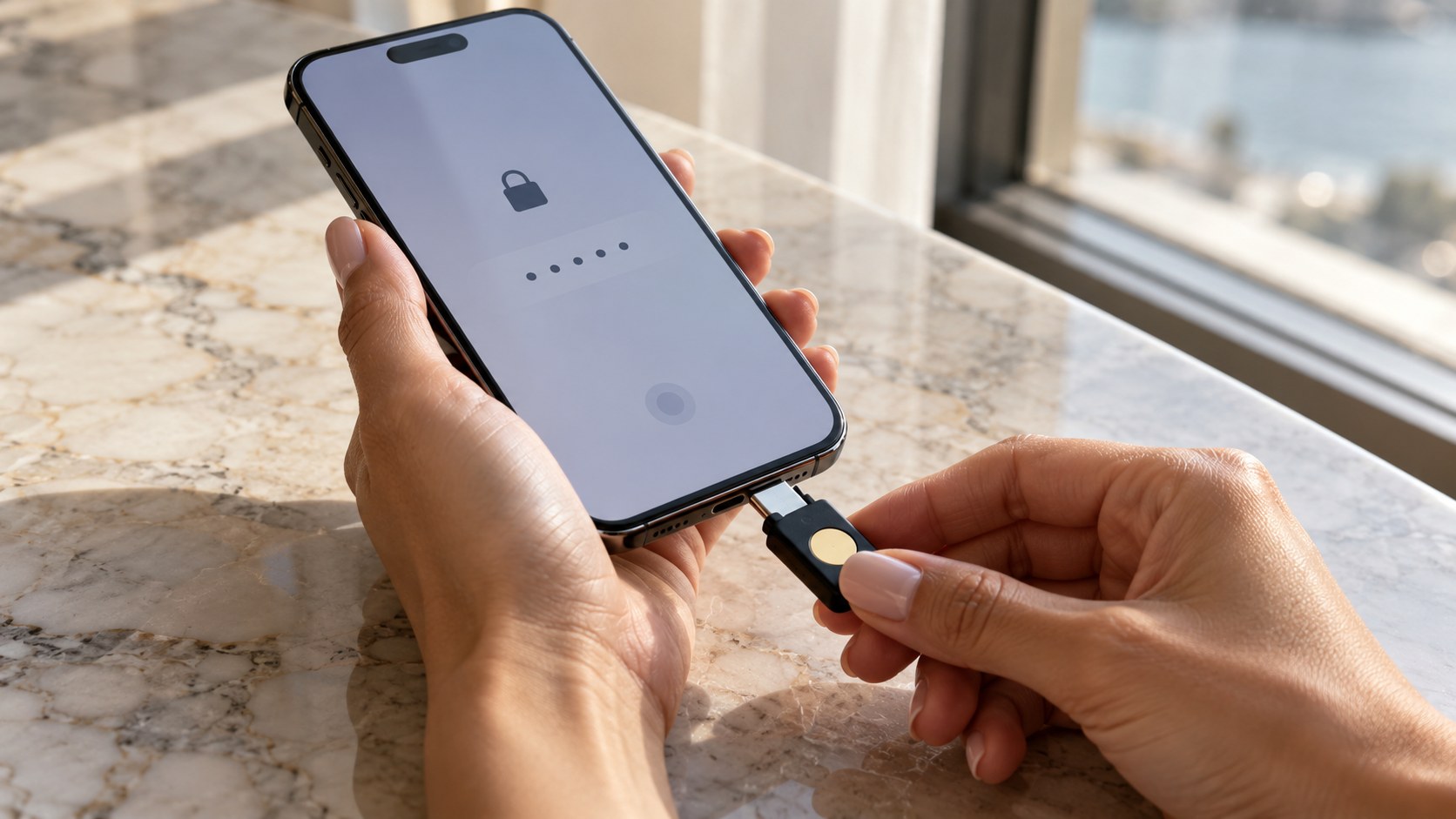
| Accounts and recovery | Admins, emails, devices, recovery methods | Add creator owner before removing vendor | Creator can sign in and recover access |
| Scheduled content | Queues, drafts, dates, replies owed | Rebuild or transfer with status labels | Nothing posts twice or without approval |
| Audience routes | Bios, domains, link pages, tracking parameters | Move ownership and test each destination | Every public route reaches the intended page |
| Vendor access | Permission list and connected tools | Revoke after acceptance | Former vendor has no active route back in |
Creator-owned means more than knowing a password. The recovery email, phone, domain registration, billing relationship, analytics property, and primary administrator should sit with you or a business entity you control. An agency can receive the least access needed for its job. If a property cannot be transferred, record that constraint early and prepare a replacement route rather than learning about it on departure day.
If the inventory reveals shared logins or vendor-owned recovery methods, treat access repair as its own workstream. A separate OnlyFans promo account can limit exposure between public promotion and private creator operations, but separation only helps when ownership and recovery are also separated.
A hypothetical handover: preserve the baseline before changing the route
Freeze a comparable baseline before the new agency changes creative, channels, prices, or links. Then migrate one dependency at a time and annotate the change. Otherwise the first report from the new team compares different systems and calls the difference strategy.
Consider a hypothetical creator named Maya. Her invented planning baseline covers the final 28 days under Agency A: 1,200 tracked visits reached her paid profile, 72 became paying subscribers, and promotion cost $1,080. Those assumptions produce a visit-to-paid conversion rate of 72 ÷ 1,200 = 6% and an acquisition cost of $1,080 ÷ 72 = $15 per paying subscriber. These are illustrative inputs, not performance benchmarks.
During inventory, Maya discovers that Agency A controls the bridge-page account and has queued posts beyond the termination date. Her main social profiles are creator-owned, but campaign tags were named inconsistently. The better decision is not to flip every bio link immediately. She exports the old reports, records each live route and tag, receives the queued captions and approved media, and gives Agency B read-only access to the archive.
Agency B first recreates the route on Maya's account and keeps the offer unchanged. After verification, Maya updates the public links, checks them from a logged-out device, and records the cutover time. Only then does she approve new creative. If the next observed period shows 1,100 visits, 77 paying subscribers, and $1,155 in promotion cost—again hypothetical assumptions—the calculations are 77 ÷ 1,100 = 7% conversion and $1,155 ÷ 77 = $15 acquisition cost.
The acquisition cost is unchanged while conversion is higher, but this does not prove Agency B caused the improvement. Audience mix, renewal behavior, content timing, and tracking loss could differ. The clean conclusion is narrower: the route survived, the measurement definitions remained usable, and Maya now has a stable base for a controlled creative test. That is a successful migration even before anyone claims a marketing victory.
Define a “paid subscriber” and an attributable visit before comparing periods; do not let each agency choose the friendliest denominator. For a deeper measurement framework, OnlyFans conversion rate benchmarks matter only after your own event definitions and observation windows are consistent.

Run the handover in an order that preserves leverage
For an uncompromised account, the safe sequence is contract review, export, baseline, ownership transfer, queue transfer, route cutover, access rotation, and verification. If compromise or abuse is suspected, revoke unsafe access immediately; do not wait for handover acceptance.
- Read termination, notice, confidentiality, asset ownership, and final-payment terms; list unclear items for written resolution.
- Export reports, campaign settings, source tags, research, creative originals, approvals, and the record of experiments that failed.
- Freeze metric definitions and capture a dated baseline for traffic, paid conversions, spend, and unresolved fan or partner commitments.
- Put creator-controlled owners, recovery methods, billing contacts, domains, and storage at the center of every property that can be transferred.
- Move drafts, scheduled posts, caption variants, content permissions, and response obligations into a shared status record.
- Rebuild and test every bio, redirect, tracking tag, collaboration route, and landing destination before making the public cutover.
- For a routine exit, remove old users, sessions, integrations, keys, and shared credentials after acceptance checks; revoke immediately if compromise or abuse is suspected.
- Verify from outside the admin view, watch for broken routes or duplicate posts, and document the final owners and cutover time.
Make recovery a creator-controlled test, not an agency assurance. Confirm that recovery messages reach your own secured email or phone, store backup codes privately, and check that the incoming operator can perform only approved tasks through their assigned access. Before routine revocation, open the exported files, verify the publishing queue, and test a public route without an administrator session. Record who checked each item and what passed. After removal, inspect connected apps and active sessions for leftover access; changing a password alone may leave other permissions intact. Suspected compromise or abuse overrides this sequence: contain access immediately and preserve records without delaying containment for a complete archive.
Arrange a direct handover conversation before the outgoing access ends when the relationship and contract allow it. Keep the agenda operational: naming conventions, live experiments, audience exclusions, content boundaries, pending collaborations, known platform issues, and the next actions the old team would have taken. Record answers in the archive. Politeness is useful here because undocumented context has a habit of becoming expensive folklore.
Scheduled content deserves a line-by-line acceptance check. Identify what is approved, what is merely drafted, which media has a time or channel limit, and which replies remain owed. If your new plan changes fan conversations as well as acquisition, map the boundary between promotion and OnlyFans DM marketing so responsibility does not disappear between agencies.
Public routes are the final cutover surface, not an afterthought. Test redirects, bio destinations, tracking parameters, and the OnlyFans landing page from a device that is not signed into your admin accounts. Capture the result and owner in the matrix, then remove any vendor redirect that no longer serves a documented purpose.
Know where a clean migration cannot solve the problem
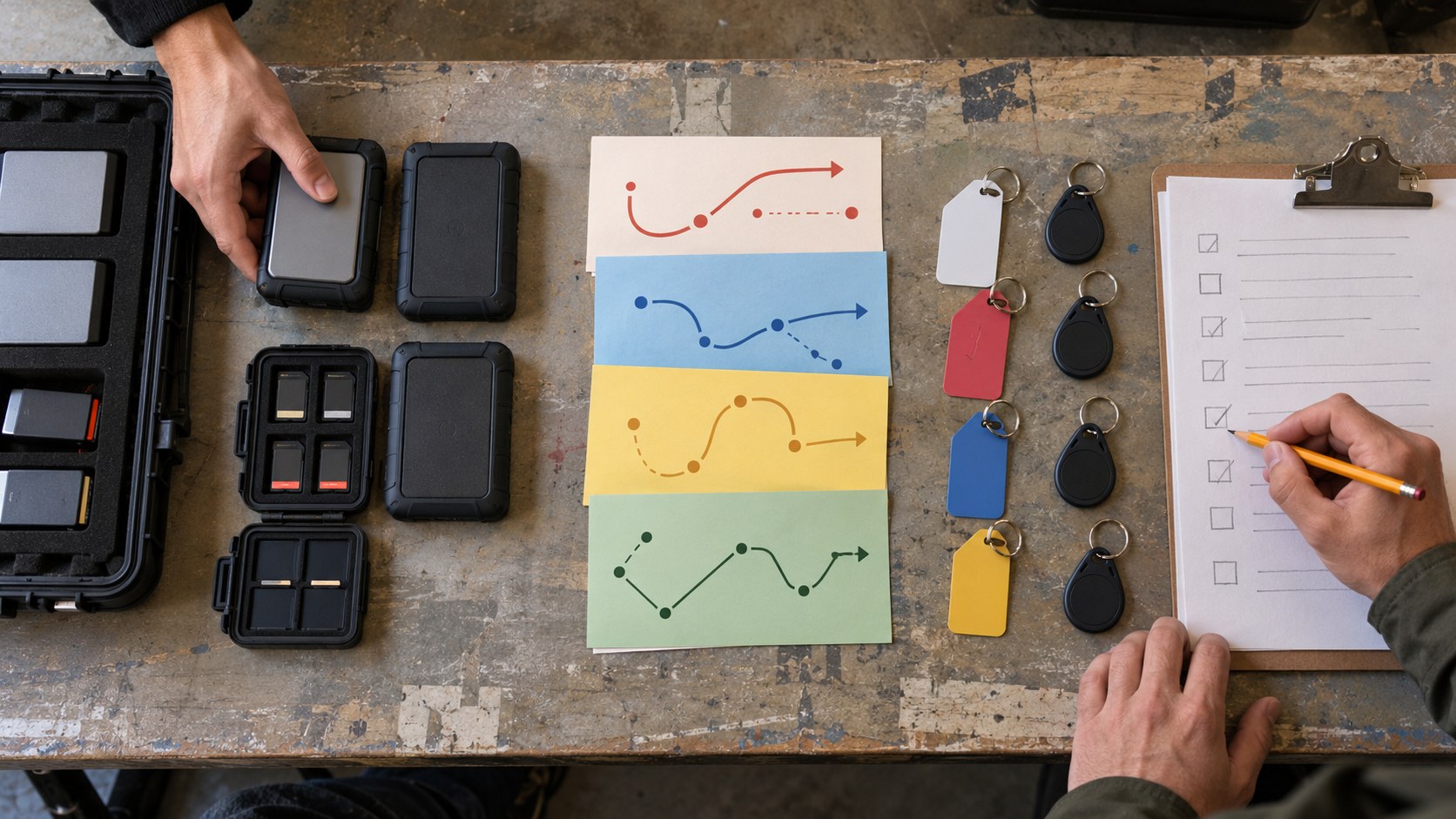
A continuity plan can preserve control and comparability; it cannot force a hostile vendor to transfer property it legally owns, recover deleted history, guarantee platform approval, or make a weak new strategy profitable. Escalate ownership disputes and safety concerns to qualified help instead of improvising.
The process does not fit every exit. If you suspect unauthorized access, coercion, impersonation, financial misuse, or exposure of private material, immediate containment may matter more than a courteous overlap. Preserve available records, use official account-recovery paths, and seek appropriate legal or security advice. Do not alert a risky operator merely to complete a tidy checklist.
A smooth transfer also does not validate the replacement. Give the incoming operator a narrow first mandate with explicit permissions, deliverables, boundaries, and measurement definitions. If you are still choosing, the questions used to hire an OnlyFans promoter help expose who owns accounts, how reporting works, and what happens at exit before access is granted.
Your verifiable next action is simple: create the continuity matrix, enter every live property, and prove that you can recover each one without the agency. Mark any failed recovery, missing export, unknown owner, or untested route as a blocker. Once every blocker has an owner and resolution path, set the cutover—not before.

Reduce the next handover by owning more of the destination
Changing agencies exposes a larger question: which parts of the fan business should remain portable, and which should be yours from the start? Scrile Connect is a hosted white-label option for launching a creator and paid-content platform under your own domain and branding, with subscriptions, pay-per-view content, paid messaging, video calls, livestreaming, payment integrations, creator payouts, and administrative controls.
The Solo plan includes a 14-day free trial, then costs $79 per month with monthly billing and 0% Scrile platform commission. It will not migrate an agency's accounts or solve ownership disputes, but it can give a creator or business a branded destination with configurable access, moderation, and age-verification controls.
Frequently asked questions
How do I know it is time to switch my OnlyFans marketing agency?
Switch when the problem is repeated and observable: missing deliverables, opaque attribution, ignored boundaries, poor account control, or a strategy that no longer matches your brand. First document the failure and requested remedy so a temporary fluctuation is not mistaken for a structural mismatch.
Should I tell my current agency before hiring a replacement?
Check the contract first. You can quietly identify candidates and map dependencies, but coordinate the formal notice and handover according to agreed terms. If safety or unauthorized access is involved, prioritize containment and qualified advice over a routine overlap.
What files should an OnlyFans marketing agency hand over?
Request campaign reports, source-tag definitions, creative originals and edits, caption libraries, approval records, content permissions, research, test notes, scheduled-work status, invoices, and an inventory of accounts and connected tools. The exact entitlement depends on your contract and ownership terms.
When should I change passwords during an agency switch?
For a normal transition, first secure creator ownership and confirm the incoming operator can work, then revoke old access and rotate shared credentials. For suspected misuse or exposure, contain access immediately, preserve available evidence, and use official recovery channels.
How can I compare the old and new agency fairly?
Keep the offer, event definitions, attribution rules, and observation window consistent during the initial cutover. Record traffic, paid conversions, cost, and route changes. Treat later differences as signals to investigate, not proof of causation, until you control the important variables.
What if the old agency owns the link page or promo account?
Confirm the contractual ownership and whether transfer is technically possible. If it is not yours, build a creator-controlled replacement, recreate approved assets you may use, test the new path, and move public routes deliberately. Obtain legal advice if ownership is disputed.
Can two marketing agencies overlap during the transition?
They can if the contracts, confidentiality duties, and access boundaries permit it. Define who may edit each property, who approves content, and who answers pending messages. A controlled overlap is useful for questions; simultaneous uncoordinated publishing is not.
How long should I keep old campaign records?
Use a retention period that fits your contracts, tax and legal duties, platform rules, privacy obligations, and practical analysis needs. Store only what you are entitled to keep, restrict access, and document deletion duties rather than choosing a universal period.

Heads marketing at Scrile. Writes about positioning, content systems, and how SaaS companies find product-market fit in narrow niches.