Quick answer
To promote OnlyFans on YouTube, start with a public topic people would watch without a sales pitch: beauty technique, photography, or a genuine creator diary. Build searchable videos around that value, then assess whether any proposed destination is permitted. Do not link or steer viewers to pornography through redirects or coded instructions. Measure returning interest and qualified visits to a suitable destination, rather than views alone.
When it makes sense to promote OnlyFans on YouTube
Use YouTube if you can offer a useful public series that stands on its own. A viewer searching for flattering portrait lighting wants a lighting answer, not a surprise sales pitch. For an adult-content creator, that makes YouTube a place to build a public identity, with strict limits on where that attention can be directed.
The practical test is simple: would you still publish this video if it could not contain a membership link? If the answer is yes, there may be a channel worth building. If the answer is no, you are proposing an advertisement with a tutorial attached. Search visitors have asked for help with something specific; earning their trust means actually finishing that job.
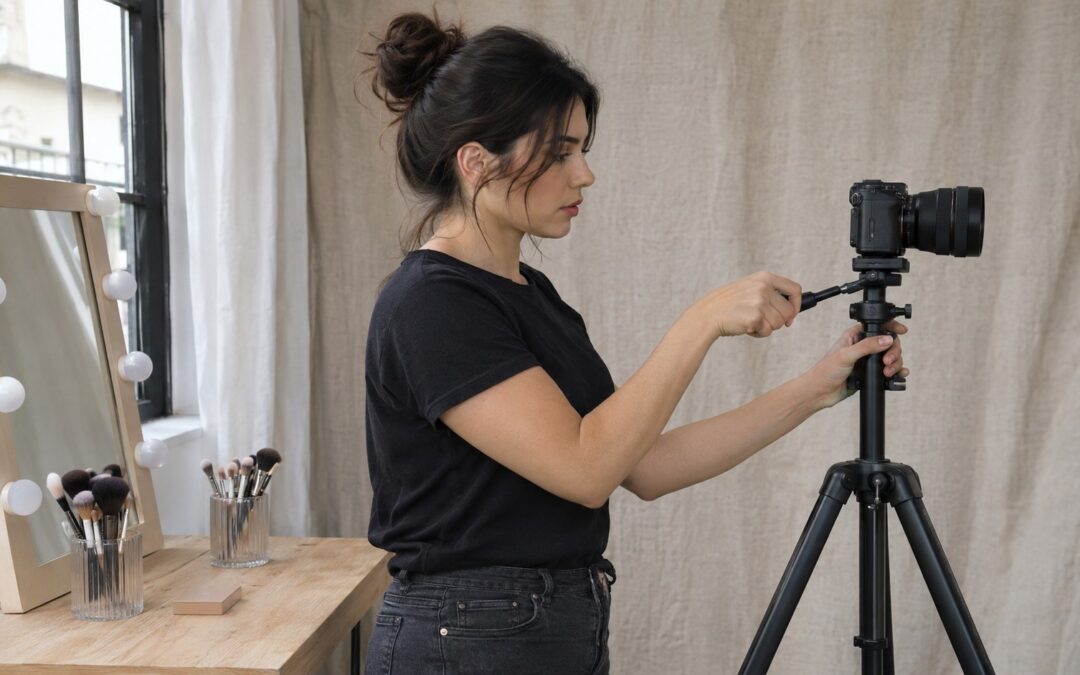
Consider Maya, a hypothetical glamour creator with an adult OnlyFans account and an interest in makeup photography. Her initial idea is a revealing teaser followed by an invitation to see the rest elsewhere. She changes course before filming: the useful public subject is how to keep shimmer from looking harsh under a camera light. That can become a complete tutorial without a sexual reveal.
The discovery changes her commercial expectation. Someone who likes her technique might return for her taste, personality, or teaching. That does not establish interest in an adult subscription. Maya needs to decide whether this public audience is valuable in its own right, perhaps for a genuinely nonadult offer, rather than count every new subscriber as a potential paying fan.
This is a fit decision before it is an editing decision. YouTube suits a creator willing to demonstrate a skill and develop a recognizable series. If your immediate objective is adult subscriber acquisition, compare the best platforms to promote OnlyFans according to their content and promotion rules. Choosing a channel that fits the offer beats repeatedly trying to squeeze the offer into an unsuitable channel.
Separate a useful public topic from an adult-content route
Decide what the viewer will receive, what the video shows, and where any invitation leads before recording. A nonexplicit video does not make every destination suitable. Treat the thumbnail, speech, description, comments, and linked destination as parts of the same promise.
Do not use YouTube to direct viewers to pornography. A link hub, personal domain, QR code, or verbal instruction is not a workaround for a prohibited destination. Calling the route “exclusive” does not change what is at the other end. Check the current sexual-content and external-link policies before publishing; this content plan is not a ruling on an individual account or page.
For Maya, a suitable public topic explains brush placement, camera exposure, or how she prepares a shoot without revealing her location. The footage must deliver that explanation without sexual framing. A thumbnail focused on the finished makeup supports the lesson. A suggestive crop advertising an unseen reveal changes the promise, even when the spoken script still sounds like a tutorial.
Inspect the actual destination, including its previews, navigation, and onward links. A page that looks innocent at the top but routes visitors to adult material has not solved the problem. If Maya cannot identify a genuinely suitable destination, she leaves the commercial invitation out and invites viewers to another relevant public video. A channel can earn trust without sending traffic away.
There is also a personal boundary to set. Decide whether your face, voice, room, and public name may be associated with your creator identity. Inspect reflections and background details before uploading. A separate channel name cannot guarantee separation between identities. If that connection would be unacceptable, a personality-led video strategy may be the wrong choice regardless of its creative appeal.
Long-form tutorials fit a subject that benefits from demonstration and explanation. Shorts can introduce a narrow idea, but a short clip cannot carry every qualification a sensitive topic needs. Choose the format that lets the public lesson feel complete. Do not add length merely to seem serious, or remove necessary context just to make the edit faster.

Use a video-to-destination planning canvas
Write the viewer’s search, the complete video answer, the spoken invitation, and the proposed destination on the same plan. Then define what would count as returning interest and a qualified visit. This proposed canvas prevents a strong topic from acquiring a weak or unsuitable sales route later.
| Search intent | Video format | Verbal invitation | Description routing | Return signal | Qualified outbound signal |
|---|---|---|---|---|---|
| Reduce harsh shimmer in photos | Complete makeup and lighting demonstration | Watch the next lighting lesson | Relevant public tutorial; no adult route | Viewers return for the related lesson | None expected from this video |
| Understand a shoot preparation routine | Nonexplicit preparation walkthrough | Use the public preparation checklist | Genuinely nonadult checklist page, reviewed before linking | Interest in another preparation episode | Visit to the matching checklist, with test visits excluded |
| Find explicit previews | Do not build this YouTube concept | No invitation to adult material | No direct or disguised adult route | Not a channel objective | Not a permitted acquisition plan |
Start with the search phrase, not the destination. Maya can hear the question “Why does my shimmer look patchy on camera?” in the viewer’s language. Her opening shows the problem, her demonstration changes the application and light, and her ending shows the result. An invitation belongs after that finish, when it extends the same interest.
A useful spoken invitation names the next thing accurately: “The public shoot-preparation checklist is in the description.” It works only if such a checklist really exists and the page is suitable. “You know where to find the uncensored version” is a different proposition. Neither vague wording nor a friendly delivery repairs an unsuitable route.
Record the destination address in your private production notes, along with the video that uses it and what a visitor should find there. Reopen the published route after any site change. A page can acquire new previews or navigation after the original review. Tracking parameters may help distinguish permitted campaign visits; they must not conceal the destination or collect unnecessary personal information.
Define a qualified outbound click as a recorded visit to the specific suitable page promised by the video, excluding your own tests and identifiable automated traffic where possible. It signals interest in that resource, not consent to adult marketing or proof of a purchase. Keep “visited,” “requested information,” and “paid” separate in your records. They answer different questions.
Test the audience match before chasing more views
Judge a public series by whether viewers want its next episode, then assess any suitable outbound interest separately. A popular tutorial can be a good YouTube video and a poor membership acquisition tool. Those findings can both be true.
In the hypothetical example, Maya publishes a shimmer lesson and a shoot-preparation walkthrough. She finds comments asking for lighting help and sees returning-viewer activity around another beauty upload. Those observations support a beauty series. They do not show demand for her adult account. Her original teaser idea would have confused those distinct interests rather than connected them.
Suppose, as a hypothetical observation, the preparation checklist attracts visits but no paid enquiries. Maya should first check whether the page delivers the promised checklist and whether she has a separate relevant offer. Replacing it with an adult sales page would change the experiment and the policy question. The better decision is to improve the nonadult resource or keep the series focused on public audience growth.
Group videos by the viewer problem they solve: makeup technique, lighting, or preparation. Compare performance over a shared observation period, and inspect individual videos so an unusual hit does not decide the whole plan. Review search terms, viewing duration relative to video length, audience retention, and returning viewers where available. These are diagnostic clues, not a recipe for guaranteed distribution.
If people leave before the demonstration, fix the introduction or pacing. If they finish but do not return, test whether the next episode answers a related question. If they return but ignore a suitable resource, the resource may not extend their interest. Change the relevant part of the plan rather than make the thumbnail more provocative. More attention cannot repair a mismatch in intent.
For a broader measurement framework, OnlyFans conversion rate benchmarks helps separate stages of a funnel before you compare results. Keep YouTube’s public-content audience distinct from traffic arriving through adult-compatible channels. Combining them can hide why visitors behave differently and tempt you to optimize a route that should not have been used.
Build a repeatable series without surrendering your boundaries
Your next action is to complete the canvas for a useful public video and review its entire route before filming. Continue only if you can deliver the lesson, protect your privacy, and sustain the series without relying on adult-content promotion.
- Choose a search question you can answer from your real skills. Write the specific result the viewer should be able to reproduce.
- Sketch the demonstration and its thumbnail together. Remove framing that promises sexual access or an unseen adult reveal.
- Review the spoken invitation and every proposed destination. If a suitable route is unavailable, choose another public video as the next action.
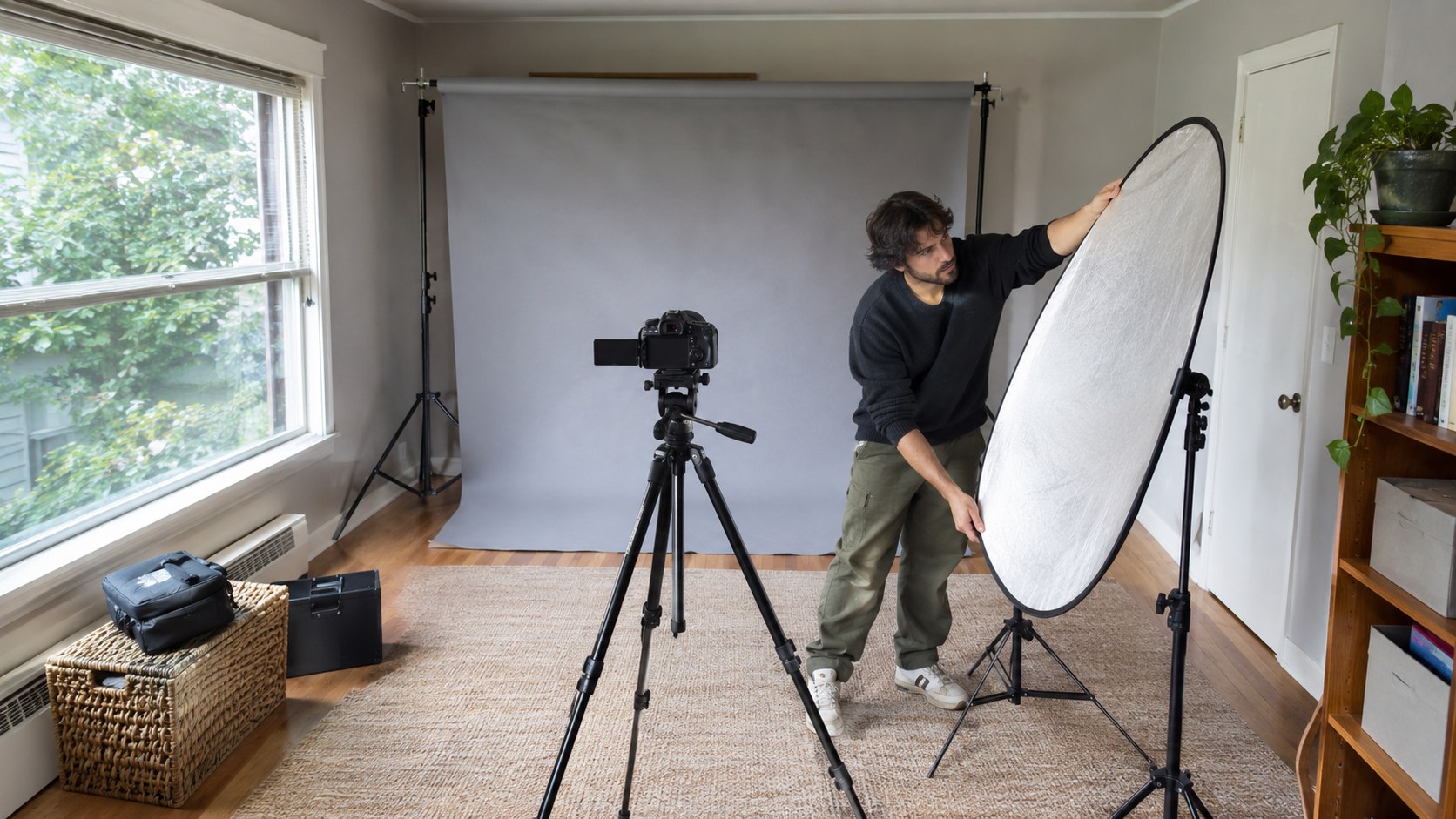
- Film a complete answer, then inspect the footage for identifying background details and accidental exposure before publishing.
- Test the published description on a viewer’s device. Record what opens, then review audience interest before planning the related episode.
Set a production scope you can repeat alongside your paid work. Maya can reuse the lighting setup while answering a genuinely different makeup question; she does not need to disclose more of her private life to keep the series moving. Keep viewer requests in a topic list and decline requests that push past your boundaries. A content calendar is not a contract to become more exposed.
If you dislike teaching, cannot protect your identity sufficiently, or need immediate adult subscriber sales, reconsider YouTube’s role. For partnership-led acquisition, how to find OnlyFans creators to collab with addresses the separate problem of finding relevant partners. That route still requires checking the rules of each place you publish, but it starts from a different audience relationship.
If a public series develops demand for a genuinely nonadult paid community, define that offer separately before choosing software. For an independently operated adult site, assess acquisition through channels that permit its promotion. Owning the destination can give you control over branding and access rules; it does not expand what YouTube permits you to advertise or link.
Choose the destination after you define the offer
If your next step is a branded creator business, Scrile Connect provides hosted software for subscriptions, paid content, messaging, and creator earnings management under your own domain. It fits the platform decision after you have defined the audience, offer, and suitable acquisition channels.
Scrile Connect does not make an adult destination permissible on YouTube or establish payment-provider eligibility. Payment approval and content requirements remain separate decisions. Explore the platform when operating your own paid-content site is the actual goal.
Frequently asked questions
Can an OnlyFans creator have a YouTube channel?
Being a creator on another platform does not make every YouTube video or promotion suitable. Build a public channel around content that meets YouTube’s rules, and assess each invitation and destination separately.
Can I put an adult OnlyFans link in a video description?
Do not use a description to direct viewers to pornography. A nonexplicit video does not make an adult destination acceptable. Review the current external-link rules and omit the route when it is unsuitable.
Does a link hub make an adult destination acceptable?
No. An intermediate page does not change the purpose or endpoint of the route. Do not use link hubs, redirects, or coded instructions to conceal a prohibited adult destination.
What public video topics can a glamour creator make?
Possible subjects include makeup technique, portrait lighting, and nonexplicit shoot preparation. Choose a topic you can teach completely without sexual framing, a promised adult reveal, or pressure to cross your privacy boundaries.
Should I start with Shorts or long-form videos?
Choose the format that answers the question fully. A lighting demonstration may need a longer explanation; a narrow correction may fit a short clip. Neither format removes content or destination restrictions.
What counts as a qualified outbound click?
In this proposed method, it is a recorded visit to the suitable resource promised by the video, excluding known tests and identifiable automated traffic where possible. It does not establish purchase intent or permission for adult marketing.
Can I keep my creator identity private on YouTube?
A separate name cannot guarantee privacy. Face, voice, reflections, background details, and shared content can connect identities. If that connection would be unacceptable, reconsider a personality-led public channel.
Does my own membership website change YouTube’s rules?
No. Your own site can give you control over branding, pricing, and access, but it does not make every promotional route permissible. Evaluate the actual content and destination before linking.
Heads marketing at Scrile. Writes about positioning, content systems, and how SaaS companies find product-market fit in narrow niches.