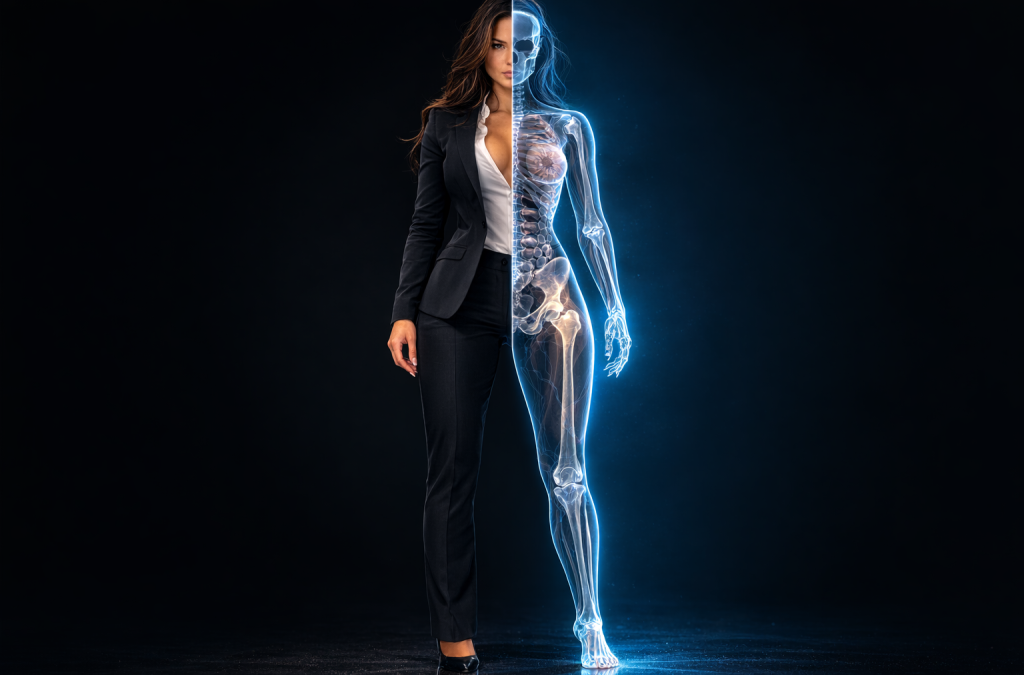
Undress AI tools use generative image models to create synthetic nude versions of clothed photos. Most systems analyze body shape, clothing outlines, and pose, then generate a predicted image using diffusion models. The results can vary widely depending on lighting, angle, and image quality. Because of the risks around privacy and consent, many developers now focus on AI systems built around fictional characters or avatars instead of modifying real photos.
AI image generators have moved far beyond simple photo filters. With modern diffusion models, software can now create entirely new images from existing photos. That capability gave rise to a category of tools often called undress AI. These programs analyze a normal photo and generate a synthetic nude version based on body prediction models.
Over the past couple of years the number of these tools has exploded. Today there are around a hundred nudification websites offering similar features. Many of them work the same way: upload a photo, wait a few seconds, and the AI generates an altered image.
Together these sites attract roughly 18 million visits every month, which shows how much curiosity surrounds the technology.
People usually search for undress AI tools because they want to see how realistic the results can be. Before trying them, it helps to understand how the technology works and what limitations come with it.
What People Mean When They Talk About Undress AI
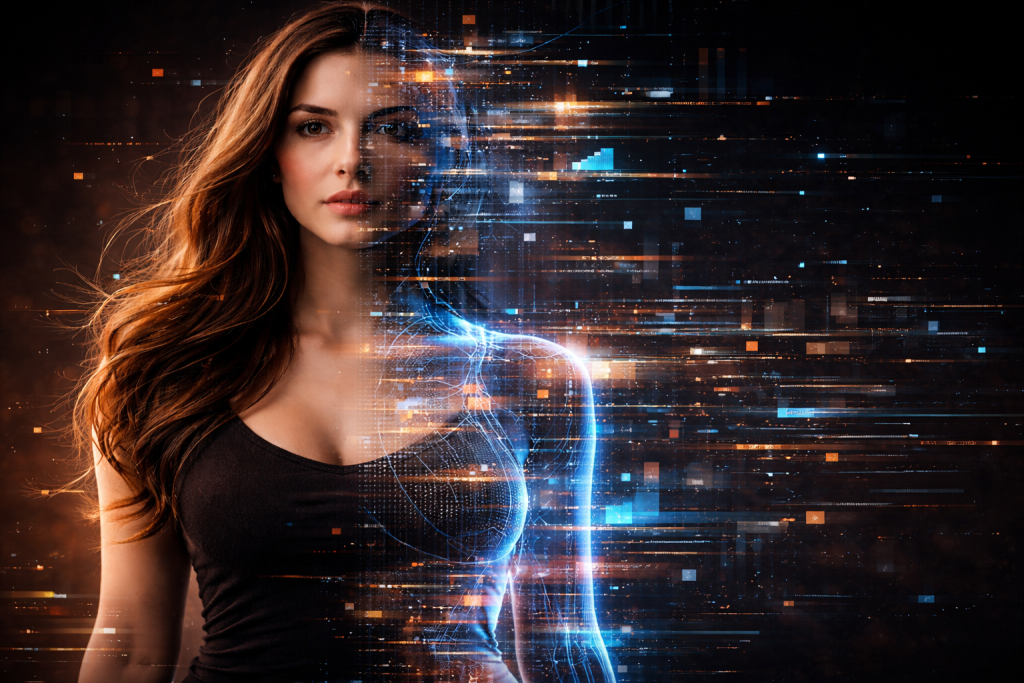
When people search for undress AI, they usually imagine a simple process: upload a photo and see what the system generates. In practice, the ecosystem is a bit more varied. Some tools attempt to generate nude predictions from uploaded images, while others focus on AI-generated characters or virtual companions that do not rely on real photos at all.
What actually happens is a bit different from what many users imagine. The system does not reveal anything hidden inside the original photo. Instead it studies the person’s pose, body proportions, and lighting conditions. Using that information, the model generates a completely new image that predicts what a nude version might look like.
Online you will see many variations of these tools. Some appear as quick photo generators, others run as simple web apps or bots. They all belong to the same broader group often described as nudify apps, and many operate through different undress AI websites that offer similar upload-and-generate workflows.
The whole category traces back to the early DeepNude experiment. Once that project went viral, developers began building similar tools using newer image-generation models. Since then the ecosystem has expanded into dozens of services, ranging from quick photo generators to full AI character platforms.
How Undress AI Tools Work
From the outside these tools look almost trivial. A user uploads a photo, waits a few seconds, and the system produces a generated image. What happens inside the software is more complicated. Several AI models analyze the picture before anything is created.
Image Analysis
The first stage is basic image understanding. The program studies the uploaded photo and tries to figure out how the body is positioned and which parts of the image belong to clothing. To do that, most systems run steps like:
- reading and preparing the uploaded photo
- detecting the human body and overall pose
- separating clothing areas from skin and background
- estimating body proportions and silhouette
At this point the system only has an approximation. It does not know what is actually under the clothing.
Generative Image Reconstruction
After the structure is estimated, the model generates a new image from scratch. Most modern tools rely on diffusion-based generators or older GAN architectures trained on large body datasets.
Most services in this category follow the same principle. A user uploads a photo, the system analyzes the pose and clothing areas, and then produces a generated version of the image. This type of software is often described online as a deep nude undress tool or an AI undresser app.
The key detail is simple. The AI does not reveal real anatomy. It produces a statistical guess based on patterns learned during training.
Popular Undress AI Tools
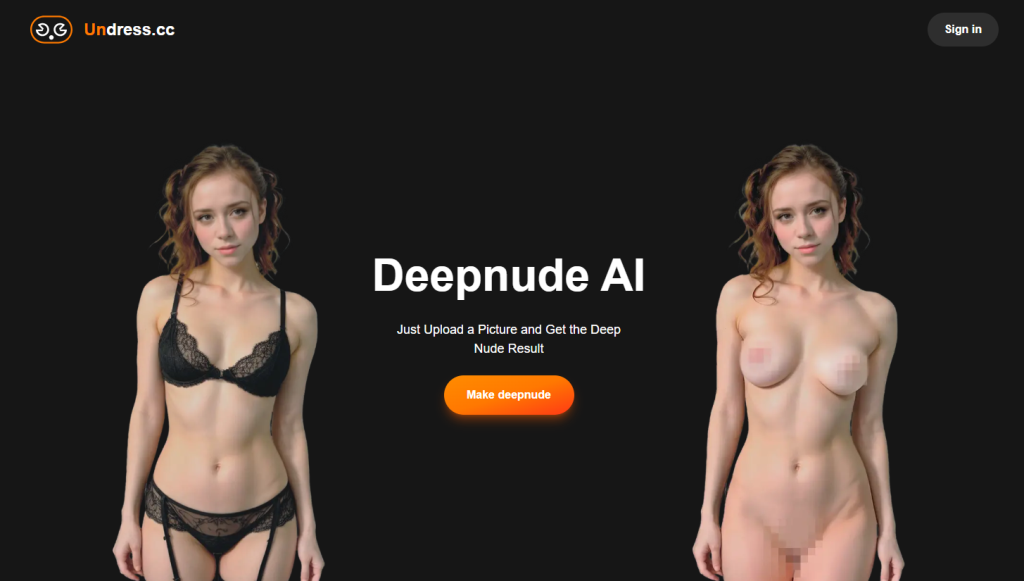
The landscape around these tools changes constantly. New sites appear, others disappear, and domains often move or rebrand within months. Because of that, most reviews focus on recurring names that appear across datasets, investigations, and comparison reports rather than trying to track every single website in the category.
Below are several services that appear repeatedly in reports, investigations, and comparison articles discussing undress AI apps and related generators.
- Undress.cc
A browser-based generator that produces altered images from uploaded pictures. It is often cited in comparison lists that review AI undress nude app tools. - Nudifier.ai
A web service designed specifically for AI-based nudification. Users upload a photo and the system generates a predicted nude version using image-generation models. - Undresswith.ai
Another tool offering a similar workflow: upload an image, let the model analyze it, and receive a generated result. - Deep-nudes.com
A generator inspired by the early DeepNude concept, using modern AI models to create synthetic body predictions.
All of these services belong to the same category. They use generative models to produce synthetic nude imagery from uploaded photos rather than revealing any real information from the original picture.
Consent, Privacy, and Legal Considerations
Consent and Image Ownership
The most sensitive issue around Undress AI appears when a real photo is used without clear permission. Technically the workflow is simple: upload a picture, let the model analyze it, and receive a generated result. The complicated part comes afterward. Who actually controls that image and its transformation?
Many services operate in a space where the technology moves faster than the rules around it. Legal experts often describe this area as uncertain rather than clearly regulated.
“It’s really a grey zone with regards to the creation of the nude images.”
— Ängla Pändel, data protection and privacy lawyer, Reuters
This uncertainty explains why discussions around undress AI often focus on consent and image ownership. When an altered image spreads online, the consequences can vary widely. Sometimes it remains private curiosity. In other cases it can escalate into harassment, revenge porn, sextortion, or reputational damage once the generated image circulates in chats or social platforms.
Legal and Platform Responses
Governments and technology platforms have started reacting to the growth of this category. Several countries are discussing deepfake legislation that would address synthetic explicit imagery generated from real photos.
At the same time, hosting providers, payment systems, and app marketplaces are beginning to restrict certain nudification services. A few lawsuits have also targeted operators in this space. Because of this pressure, AI undress AI tools now exist in a rapidly evolving legal environment where new rules are still taking shape.
Why New Undress AI Tools Keep Appearing
Despite debates around the technology, the economics behind Undress AI services are simple and often attractive for operators. Most sites follow a subscription model similar to many AI image tools or editing apps. Users pay a monthly fee to generate images or receive a limited number of credits.
A typical pricing example looks like this. Imagine a service charging $12 per month for access. If the platform reaches 30,000 paying users, the monthly revenue becomes easy to estimate.
30,000 × $12 = $360,000 per month
Over a year, that number grows significantly.
$360,000 × 12 ≈ $4.3 million annually
This explains why new nudify apps and similar generators appear regularly. Even a moderately successful Undress AI website can generate millions in yearly revenue if it manages to attract a steady base of subscribers.
Industry investigations suggest that when dozens of such services operate at the same time, the broader nudification ecosystem may generate tens of millions of dollars each year.
Safer AI Alternatives
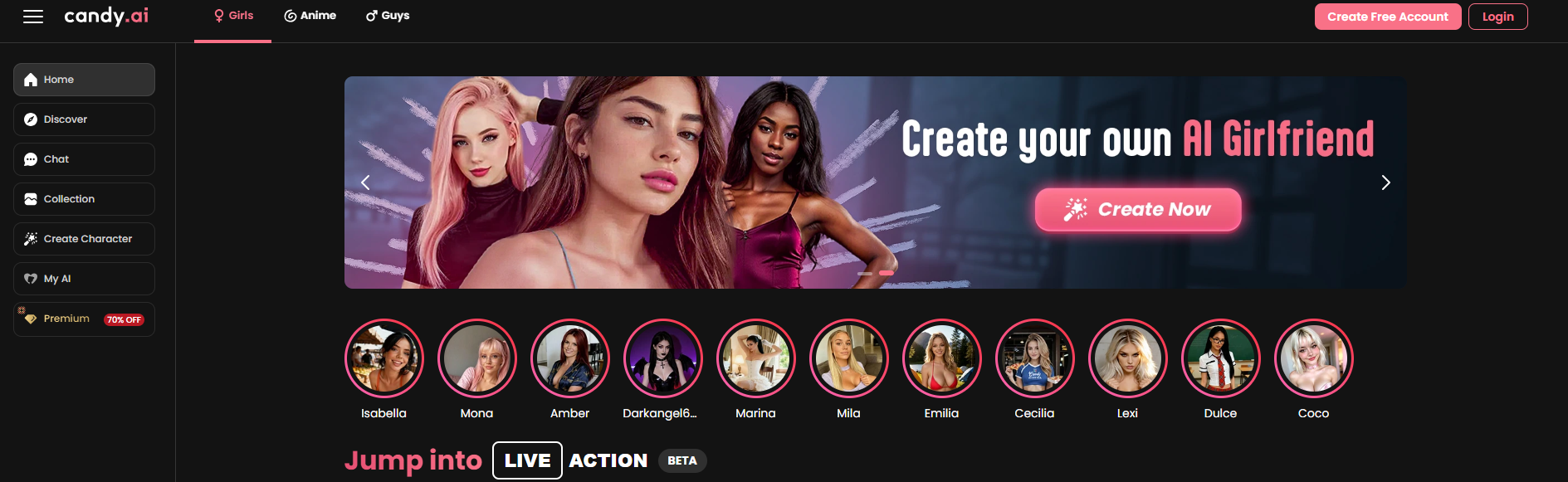
Developers exploring this space are increasingly moving toward models that do not rely on real images at all. Instead of altering a photograph, these systems generate characters from scratch. The user interacts with an AI persona or creates an original avatar. Nothing depends on a real person’s photo.
This approach has become popular because it gives users the same creative freedom without the uncertainty tied to image ownership. The technology is still based on generative models, but the output starts from fictional identities rather than uploaded pictures. For many teams building products around Undress AI, this direction has started to look like a more stable long-term model.
Several platforms already operate with this idea.
Examples of AI platforms built around fictional characters
- Candy AI
An AI companion platform where users chat with and customize fictional characters. - DreamGF AI
A generator focused on creating AI girlfriends and virtual personalities. - SoulGen AI
An image generator designed to produce original characters rather than modify real photos. - Kupid AI
A roleplay-oriented AI companion platform built around interactive avatars. - GirlfriendGPT
A character-driven chat experience where users interact with AI personas.
Systems like these avoid the core issue associated with an AI undresser app. Instead of editing someone’s photograph, they generate entirely new images and personalities. As the market evolves, this model is becoming one of the most common alternatives to traditional Undress AI websites.
Comparison: Undress AI Systems vs Character-Based AI Platforms
| Category | Example Tools | Uses Real Photos | Legal Risk | Long-Term Stability |
| Undress AI tools | Clothoff, Undress.cc | Yes | Very High | Weak |
| Nudify websites | Deep-nudes generators | Yes | High | Risky |
| AI companion apps | Candy AI, DreamGF | No | Moderate | Stable |
| Custom AI platforms | Proprietary AI systems | No | Lower | Strong |
The categories above represent two very different directions in the market. Most Undress AI tools depend on a real photograph as the starting point. A user uploads an image, the system analyzes body structure, and a generated result appears a few seconds later. This workflow is typical for many AI nudifier services operating online today.
Other AI products follow a different path. Instead of transforming existing photos, they generate entirely new characters and avatars. Image models build the visual from scratch rather than trying to reinterpret someone’s picture. Some character generators even experiment with AI nude undress style outputs, but they apply them only to fictional identities created inside the system.
That difference changes how the product behaves over time. Tools built around real images often face technical and legal uncertainty. Character-based AI platforms and custom generative systems usually offer a more stable foundation because everything produced by the model originates inside the platform itself.
Build Your Own AI Product With Scrile AI
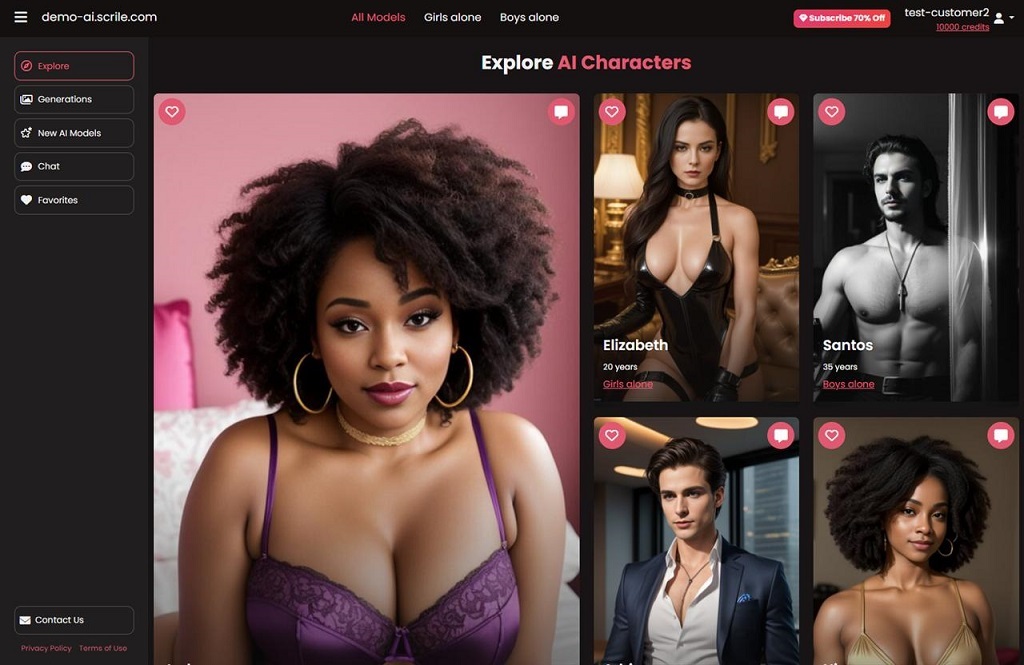
Many entrepreneurs exploring the Undress AI niche eventually reach the same limitation. Most existing tools are closed systems. They control the interface, the pricing, and the way the technology works. If you want to launch your own product, you usually need something more flexible than a ready-made generator.
This is where Scrile AI enters the picture. Scrile AI is not a plug-and-play platform or a single application. It is a custom development service designed to help companies build their own AI-driven products from the ground up.
Teams use Scrile AI to develop different types of interactive AI experiences:
- AI companions with personality and memory
- NSFW conversational chatbots
- avatar-based adult AI platforms
- AI roleplay environments with customizable characters
Because the system is built specifically for each project, the architecture can include features that typical AI tools do not provide. Businesses can integrate payment systems, subscription models, user accounts, and moderation tools directly into the product.
Scrile AI projects often include:
- custom AI model integration
- monetization and payment gateways
- full user management systems
- scalable backend infrastructure
Instead of launching a generic Undress AI generator, many teams now focus on AI characters and interactive experiences created from scratch. This approach gives founders more control over the product and opens the door to building long-term AI businesses around original virtual personalities.
Which Direction Makes Sense?
| Product Direction | Risk | Revenue Model | Long-Term Viability |
| Photo nudification | Very high | Credits | Weak |
| Undress AI websites | High | Subscription | Unstable |
| AI companion apps | Medium | Subscription | Stable |
| Custom AI character platforms | Lower | Multiple streams | Strongest |
Conclusion
Undress AI tools continue to attract attention online. The technology is accessible, the curiosity around it is strong, and new services appear regularly. At the same time, many developers are moving toward AI experiences built around original characters, virtual companions, and interactive roleplay environments.
This direction allows businesses to build long-term products instead of relying on simple image generators. AI avatars, character platforms, and companion systems create far more opportunities for monetization and user engagement.
If you want to launch your own AI product instead of using someone else’s tool, contact the Scrile AI team. Share your idea, discuss the concept with their developers, and start building a custom AI experience tailored to your audience.
FAQ
Is Undress AI legal to use?
The legal status of Undress AI tools depends on the country, the way the images are created, and how the result is used. In some places, creating synthetic explicit imagery from a real person’s photo without permission can lead to legal trouble, especially if the image is shared, sold, or used for harassment. The safest assumption is simple: once a real person’s image is involved, the legal risk rises quickly.
How do Undress AI tools generate fake images?
Most Undress AI tools work by analyzing an uploaded photo, detecting body position and clothing areas, and then generating a new image with AI models. The system does not reveal anything hidden in the original picture. It creates a synthetic prediction based on training data, body patterns, and image-generation models such as diffusion systems.
What are safer alternatives to nudify apps?
Safer alternatives usually avoid real-photo manipulation altogether. Instead, they focus on fictional AI characters, avatar generators, AI companions, and roleplay systems that create content from scratch. Tools like character-based chat platforms or AI image generators for original personas are much safer than nudify apps built around real uploaded photos.
What is the difference between AI companions and AI nudifiers?
The difference is in the source material. An AI companion system creates and develops fictional characters for chat, roleplay, or image generation. An AI nudifier starts with an existing real photo and generates a synthetic nude output from it. One model is based on original digital personas, while the other depends on transforming someone’s image.
Can businesses build their own AI adult platform?
Yes, businesses can build their own adult AI product, but the safer route is usually a platform based on original characters, AI companions, virtual avatars, or roleplay systems rather than real-photo nudification. A custom build gives more control over monetization, moderation, user accounts, and brand identity, which is why many founders choose a development partner instead of relying on generic tools.

Polina Yan is a Technical Writer and Product Marketing Manager at Scrile, specializing in helping creators launch personalized content monetization platforms. With over five years of experience writing and promoting content for Scrile Connect and Modelnet.club, Polina covers topics such as content monetization, social media strategies, digital marketing, and online business in adult industry. Her work empowers online entrepreneurs and creators to navigate the digital world with confidence and achieve their goals.