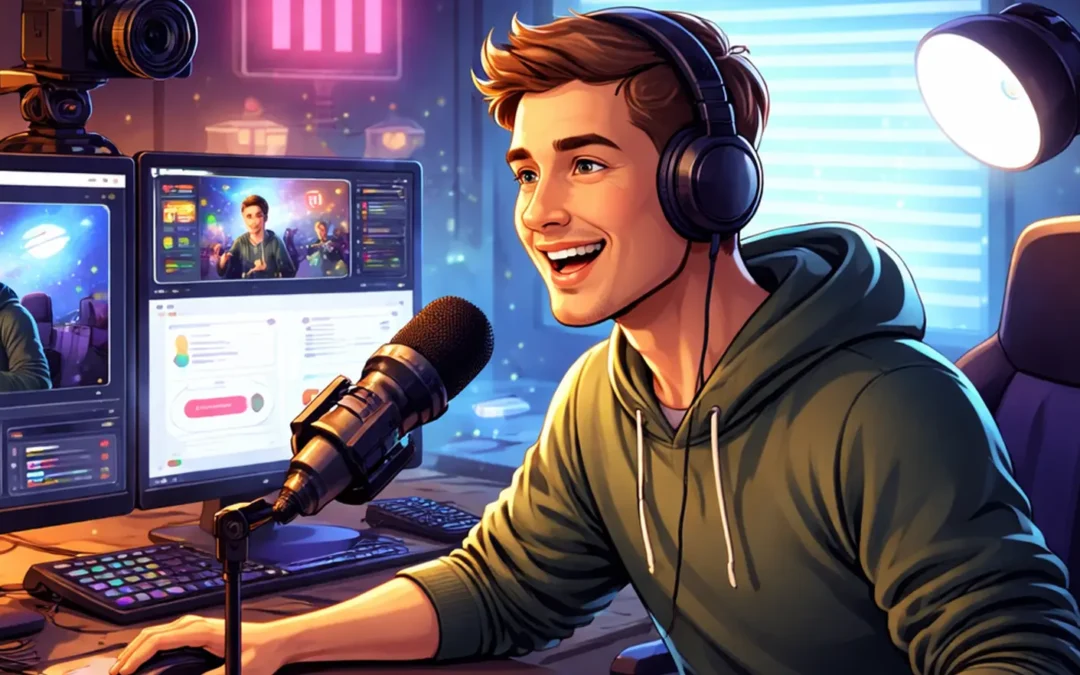
Most beginners don’t struggle with motivation. They struggle with clarity. You open YouTube, Reddit, or Twitch, and suddenly everyone talks about capture cards, bitrates, lighting setups, and growth hacks. It feels technical. Expensive. Overwhelming. So instead of asking how to start streaming, people get stuck comparing gear lists. Let’s simplify it.
How to Start Streaming: What Are the Minimum Working Requirements?
If your goal is figuring out how to become a streamer, you don’t need a studio. You need a minimum working setup and a clear decision: what exactly are you going live for? The truth is, streaming is not blocked by equipment. It’s blocked by overthinking.
The Real Minimum You Need
Here’s the baseline:
- Stable internet (upload speed matters more than download).
- A laptop or PC that can handle encoding.
- A webcam or a decent smartphone camera.
- A microphone (audio quality is critical).
- Streaming software like OBS.
- A platform to go live on.
Notice what’s not on the list: RGB lights, stream decks, animated overlays, or sponsor deals. Those are upgrades. Not requirements.
If you’re serious about learning how to be a streamer, focus on clarity before complexity. A simple, stable setup beats a “perfect” setup that never goes live.
What Actually Matters More Than Gear
Your first streams won’t go viral. And that’s fine. What matters in the beginning is the following:
- Can people hear you clearly?
- Do you speak with purpose?
- Can people see you without distraction?
- Do you show up consistently?
Everything else is secondary. Many aspiring creators delay launching because they think they need to “feel ready.” But readiness comes from repetition. Not preparation alone.
So, if you’re wondering how to start streaming without burning months on research, here’s the honest answer: define your topic, secure stable audio, press “Go Live,” and improve from there. That’s how real streamers begin.
How to Start Streaming With the Right Niche

Once the technical fear fades, a bigger question appears: what exactly am I streaming about?
This is where most beginners lose momentum. If you don’t choose a niche, the algorithm will choose obscurity for you.
When people research how to get into streaming, they often focus on platforms and tools. However, platforms reward clarity. They push creators who signal clearly who their content is for. So, before you press “Go Live,” define your positioning.
Why Niche Clarity Accelerates Growth
A niche does three important things:
- It attracts the right audience faster.
- It simplifies your content decisions.
- It improves monetization potential.
Streaming without a niche feels creative at first. Later, it feels chaotic. Viewers don’t return if they don’t know what to expect. Consistency builds memory. Memory builds loyalty.
How to Choose a Profitable Niche
You don’t need a revolutionary idea. You need overlap. Ask yourself:
- What can I talk about for 100 hours without burning out?
- Where is there clear audience demand?
- What problems can I help solve?
- Can this niche support monetization later?
For example, gaming is huge. But “strategy breakdowns for beginners” is a niche. “Live coding for startup founders” is a niche. “Behind-the-scenes content creation for adult creators” is a niche. Specific beats broad.
Validate Before You Fully Commit
Before you lock in your identity, test it. Run 3–5 focused streams within the same theme. Watch how people react. Track comments. Notice engagement. If viewers ask questions and stay longer, you’re onto something. If not, adjust.
Learning how to get into streaming isn’t about copying trends. It’s about positioning yourself where value meets demand. Once your niche is clear, building a content plan becomes dramatically easier.
Content Plan Before You Start Streaming
Random streams create random results. If you want control, you need structure. Many creators rush into starting streaming without a content roadmap. They go live when they “feel inspired.” That approach rarely builds momentum. Inspiration fades. Discipline scales. Before you start streaming seriously, build a 30-day plan. Not a complicated one. A practical one.
Build a Simple 30-Day Content Blueprint
Start with 3–4 repeatable formats. For example:
- Educational breakdown streams.
- Q&A or community sessions.
- Behind-the-scenes content.
- Interactive challenge streams.
Then assign them to fixed days. This does two things. First, it reduces decision fatigue. Second, it teaches your audience when to show up. Predictability builds habit. Habit builds growth.
Define the Purpose of Every Stream
Every broadcast should answer one question: Why should someone stay for 20 minutes?
Create a simple structure:
- Strong hook in the first 60 seconds.
- Clear promise (what viewers will gain).
- Engagement moments every 10–15 minutes.
- Call to action at the end.
Without structure, streams drift. And drifting kills retention.
Repurpose From Day One
Even small streams generate assets. After each session:
- Clip 2–3 highlights.
- Extract short-form content.
- Turn questions into future topics.
This multiplies exposure without extra effort.
If you’re serious about how to get started streaming, think beyond the live moment. Streaming is not just broadcasting. It’s content production in real time. Plan first. Then go live.
Basic Technical Setup for How to Get Started Streaming
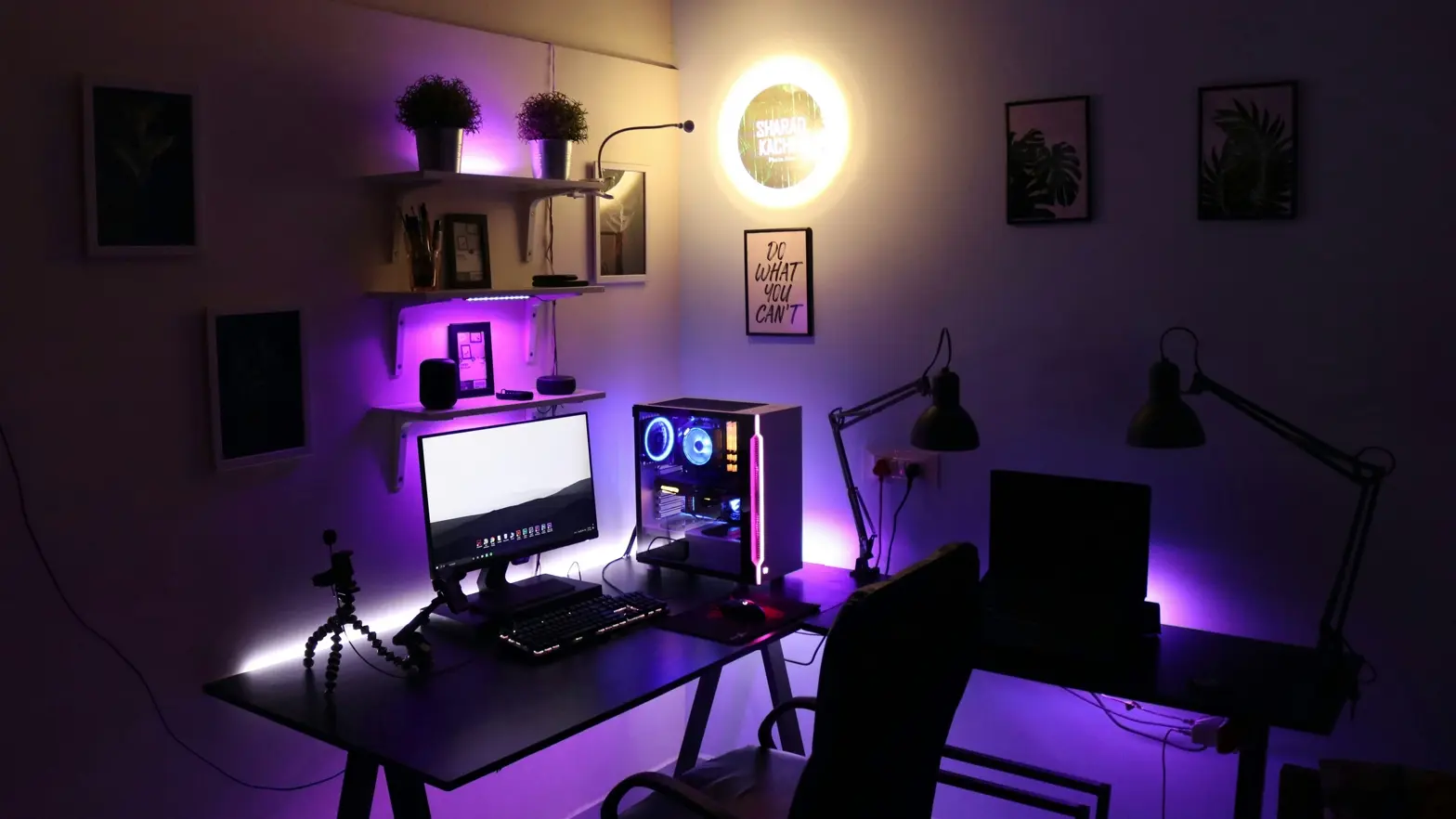
Now let’s remove the technical fog. When people research how to get started streaming, they usually fall into two extremes. Either they overspend on equipment, or they underestimate technical basics and struggle with quality issues. You don’t need luxury gear; you do need reliability.
Hardware Essentials That Actually Matter
Start with performance and audio.
- A mid-range PC with stable CPU performance.
- 16GB RAM is ideal, 8GB minimum.
- Stable internet (at least 8–10 Mbps upload).
- External USB microphone.
- 1080p webcam or modern smartphone camera.
If your computer struggles, stream at 720p. Smooth video beats high resolution with lag. Audio quality is non-negotiable. Viewers forgive average video. They leave a bad sound instantly.
Software Stack: Keep It Simple
For beginners, the safest option is OBS Studio. It’s free and flexible.
Your basic setup should include:
- Scene with camera and screen capture.
- Basic microphone filters (noise suppression, compressor).
- Stream key connection.
- Test recording before going live.
Add alerts and overlays later. At the beginning, clarity beats decoration.
Lighting and Framing Fundamentals
You don’t need a studio. Place one light source at a 45-degree angle in front of you. Avoid strong backlight from windows. Keep the background clean or intentionally styled. Position the camera slightly above eye level. It’s subtle, but it improves presence.
Technical setup should support your content, not distract from it. Once your stream runs smoothly three times in a row, you’re ready for the next phase: testing under real conditions.
Test Broadcasts and Soft Launch Phase
Here’s a mistake we see all the time: creators prepare for weeks and then launch publicly without testing anything under real conditions. That’s risky. Before you fully commit to a public schedule, run test broadcasts. Treat them like rehearsals. This phase saves you from embarrassing technical failures and confidence drops.
Why You Should Never Launch Cold
Streaming combines tech, performance, and live interaction. If one element breaks, the whole experience suffers.
During test streams, you might discover:
- Audio delay between mic and camera.
- Bitrate drops during fast movement.
- CPU overload warnings.
- Poor lighting at certain hours.
These problems are normal. What matters is catching them early. A soft launch lets you fix issues without pressure.
Technical Checklist for Test Streams
Before going fully public, verify:
- Stable bitrate for at least 30 minutes.
- Clear audio without distortion.
- Proper scene switching.
- Chat visibility on your screen.
- Backup recording enabled.
Record your test sessions. Watch them afterward. Yes, it feels awkward. Do it anyway. You’ll notice filler words. Long pauses. Distracting habits. This is where improvement starts.
Build Confidence Before You Scale
Invite a few trusted friends or early supporters to your test streams. Ask for honest feedback. Encourage them to point out what feels unclear or boring. Testing isn’t glamorous. But it separates amateurs from professionals.
Once your stream runs smoothly and you feel natural on camera, you’re ready for the most underestimated stage of all: the first 30 days of discipline.
The First 30 Days of Discipline: How to Be a Streamer Consistently
This is where most people quit. The first month rarely brings big numbers. You might stream to three viewers. Sometimes zero. That’s normal. What matters now is not growth. It’s identity.
If you truly want to understand how to be a streamer, you must treat consistency as a business decision, not a mood.
Lock in a Fixed Weekly Schedule
Pick specific days and time slots. For example:
- Tuesday — 7 PM.
- Thursday — 7 PM.
- Sunday — 6 PM.
Then stick to them.
Do not cancel unless it’s unavoidable. Algorithms reward consistency. More importantly, audiences build habits around predictable creators. Uncertainty kills retention.
Act Like You Have 1,000 Viewers
Even if only two people are watching, deliver energy. Speak clearly. Explain context. Avoid silence. Early streams are training sessions. You’re building camera presence, pacing, and storytelling ability.
Every session should improve one element:
- Better hooks.
- Stronger transitions.
- More direct calls to action.
- Faster responses to chat.
Progress compounds.
Build a Micro-Community From Day One
Reply to every message. Use viewers’ names. Ask direct questions.
Encourage small interactions:
- Polls.
- “Type 1 if you agree” moments.
- Live decisions based on chat.
Early engagement creates emotional investment.
The first 30 days are not about fame. They are about discipline and feedback loops. Nail this phase, and you’ll stop asking how to stream. You’ll start acting like a creator with momentum.
How to Get Your First Payments When Starting Streaming
Let’s talk about money. Many creators delay monetization because they think it’s “too early.” That’s a mistake. If you design your streams correctly, you can validate revenue from the first month.
When people research stream tips, they often focus on growth hacks. But monetization is about psychology and structure, not luck. You don’t wait for income. You engineer it.
Place Clear Calls to Action
If you never ask, people rarely act.
During each stream:
- Mention your offer every 20–30 minutes.
- Pin a clear message in chat.
- Use on-screen reminders.
Keep it natural. Tie the CTA to value.
For example:
“If this breakdown helps you, support the stream and I’ll review your case live.”
Create Offers That Convert
Your first payments won’t come from ads. They come from offers.
Consider:
- Exclusive behind-the-scenes access.
- Paid private streams.
- One-on-one consultations.
- Limited-time bonuses.
- Custom requests during live sessions.
Scarcity works. So does recognition.
When someone pays, acknowledge them immediately. Thank them by name. React live. That feedback loop encourages others.
Use Chat Interaction as a Revenue Tool
Interactive monetization performs better than passive donation links.
You can:
- Set visible funding goals.
- Unlock challenges when targets are reached.
- Allow paid voting for decisions.
Viewers enjoy influence. When money changes the stream in real time, conversion rates increase. The key insight is this: revenue is not an afterthought. It’s part of your content design.
Once you secure your first payments, streaming shifts from hobby to business. And that mindset changes everything.
Metrics That Matter in Your First 30 Days
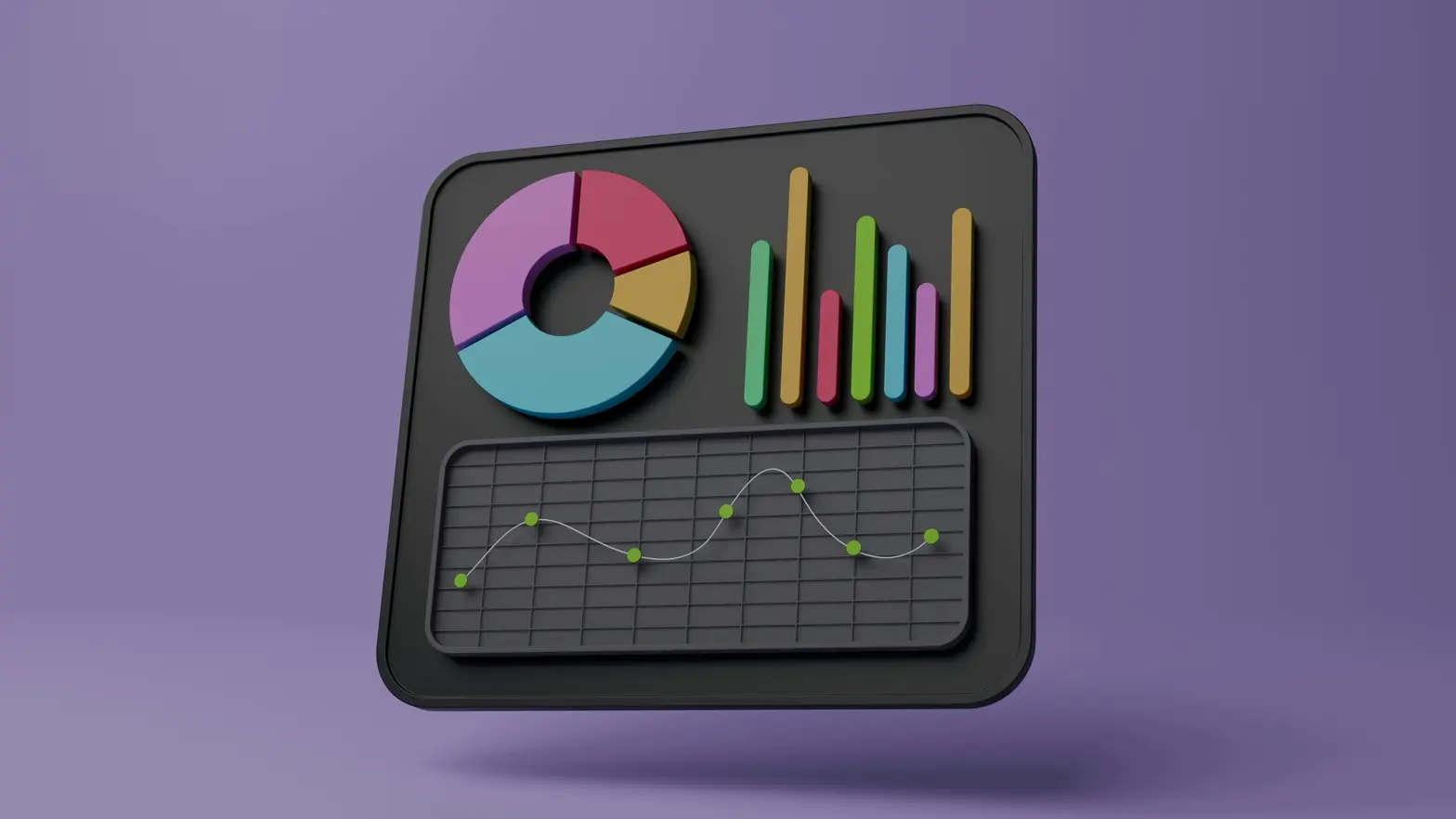
At first, it can be scary facing numbers. However, ignoring them is going in blind. By monitoring performance early, you see what is working and what can be improved to build real growth. Being focused on the right data, you can increase your speed as well.
Average Watch Time
Average watch time shows how long people actually stay.
High numbers mean that your:
- hook works;
- content keeps attention;
- pacing feels natural.
Low numbers mean viewers leave quickly. That usually signals weak introductions or slow engagement. Review this metric after every stream. Ask yourself what moment made people leave.
Paying Viewers Ratio
This metric matters if you want to build income.
Track:
- How many viewers watched.
- How many made a payment.
Even small percentages are fine at the start. The goal is not volume. The goal is validation. If viewers stay but never convert, improve your offer. Adjust your call to action. Test different incentives.
Return Viewers Percentage
Return viewers show loyalty. If people come back, you are building community, not just traffic.
To improve retention:
- Maintain consistent topics.
- Remember names.
- Follow up on previous conversations.
Loyal viewers are more likely to pay later.
Revenue Per Stream Hour
Track how much income you generate per hour of streaming. This metric connects effort to outcome. Over time, it reveals whether your model scales.
When you monitor these metrics consistently, you stop guessing. You make decisions based on data. Metrics turn passion into a measurable system. And systems grow.
How to Become a Streamer at a Professional Level
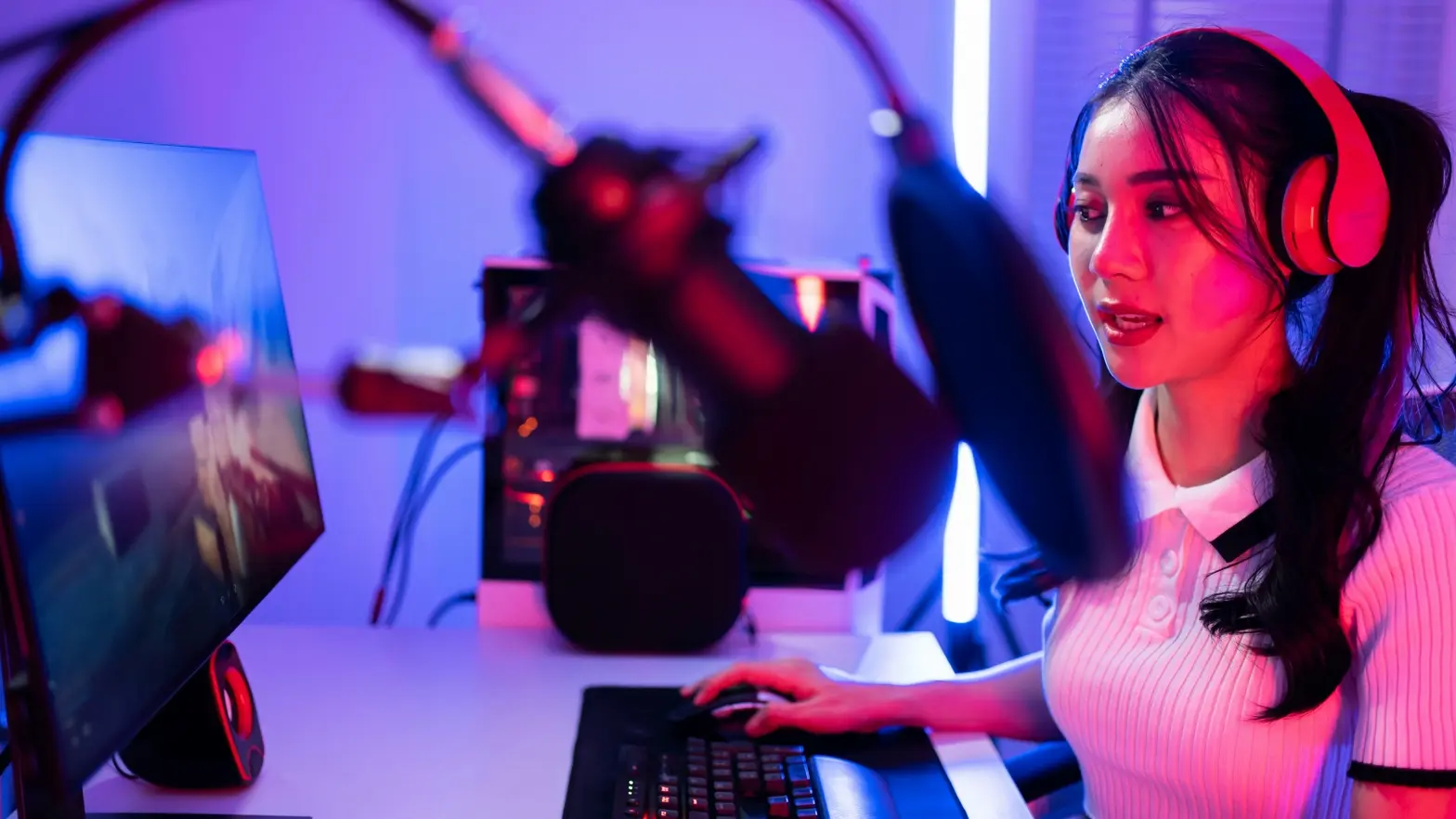
At some point, growth hits a ceiling on standard platforms. That’s normal.
If you want long-term stability, you need to think beyond just streaming and start thinking like a business owner. This is where the shift from hobbyist to professional happens.
When people ask how to get into streaming professionally, they often focus on followers. But ownership and control matter more.
Platform Limits and Long-Term Risks
Most public streaming platforms give you visibility. That’s valuable.
But they also control:
- Monetization rules.
- Commission rates.
- Account access.
- Content restrictions.
- Algorithm visibility.
If rules change, your income can change overnight.
Professionals reduce dependency. They build infrastructure they control.
That mindset separates casual creators from scalable brands.
Build Your Own Brand Ecosystem
Professional streamers expand beyond live broadcasts.
Consider:
- A personal website.
- Email list integration.
- Membership access.
- Paid private communities.
- Direct payment systems.
Your audience should connect to you directly, not only through a platform feed.
This approach improves income stability and audience loyalty.
Upgrade Your Content Model
When you move toward professionalism:
- Introduce premium content tiers.
- Offer exclusive live sessions.
- Provide paid access to archived streams.
- Experiment with subscription-based benefits.
You stop thinking only about views. You think about recurring revenue. That transition is essential if you want streaming to become a real business.
Now let’s talk about infrastructure that supports this growth without forcing you to depend fully on third-party platforms.
Professional Launch With White-Label Infrastructure

When your audience grows and revenue starts flowing, platform limitations become more visible.
You may:
- notice high commission fees;
- feel restricted by content policies;
- want deeper branding control.
At that stage, many creators ask how to scale without losing ownership. The answer often lies in white-label infrastructure. Instead of building everything from scratch, you use a ready system and customize it under your brand. That reduces technical risk and speeds up launch.
Why White-Label Streaming Makes Sense
A white-label platform gives you:
- Full brand control.
- Custom domain integration.
- Flexible monetization models.
- Direct payment processing.
- Audience data ownership.
You operate like a platform owner, not just a user. This model works especially well for creators who already have an engaged audience and want to convert it into a private ecosystem. It turns attention into assets.
Launch Your Own Streaming Platform With Scrile Stream
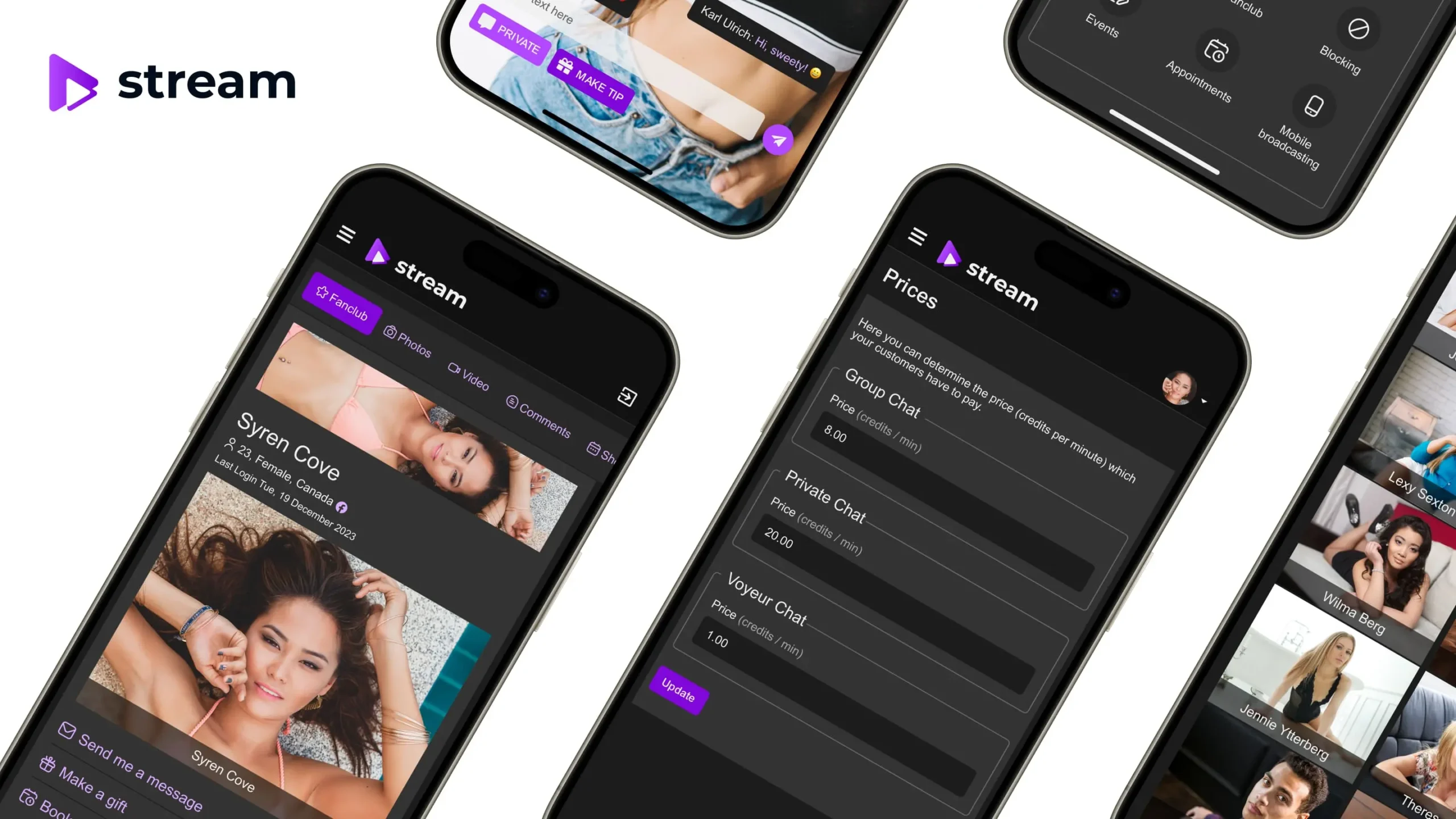
Scrile Stream is an excellent example of how to operate a successful digital business using the white-label streaming strategy. This platform allows creators and digital entrepreneurs to easily launch their branded streaming platforms without having to develop a complex technology infrastructure.
Scrile Stream can provide you with the following:
- Custom branding.
- Subscription or pay-per-view pricing.
- Private streams that are secured.
- Integration of payment systems.
- Scalable server infrastructure.
So, rather than simply using a third-party service, you can create your very own streaming environment that reflects your unique brand. That shift changes your leverage.
If you already validated demand and monetization, upgrading infrastructure protects your growth. It gives you independence and control over your revenue stream.
Explore Scrile Stream
FAQ: How to Start Streaming

Can you make $1000 a month on Twitch?
Building income as a live streamer will depend heavily on the size and involvement of your audience. The average amount of viewers you will have per broadcast will also play an important role in your earnings potential. If you have approximately 1000 viewers per show, you can expect to earn from $1000 to $5000 a month through subscriptions, donations, advertising, or sponsorship.
Even with smaller viewers, you can still make money live streaming, provided you produce quality content, build engagement with your community, and offer ways to monetize your live stream directly to your audience. Even with that in mind, you should be able to generate a minimum of $1000 a month through live streaming even if you do not have a large audience.
To build sustainable income from your streams, the key is to continue providing quality content consistently to your audience and provide value to your audience so that they come to you for your revenue generation.
What should I have to start streaming?
When creating live streams, you need to make sure that you have:
- Camera (either webcam or smartphone).
- Streaming software (such as OBS).
- Good microphone.
- Quality computer or device.
- Stable internet access centered around those elements.
Later, you can upgrade with lighting, overlays, stream alerts, capture cards, or professional tools. But those are improvements, not requirements. If your audio is clear and your stream runs smoothly, you already have enough to start.
What is the 30-minute rule on Twitch?
The “30-minute rule” typically means having some kind of engagement system set up with rewards (like points) for returning viewers on your channel.
Breaking it down:
- How to earn those rewards for returning from the next stream.
- Each stream must be of at least 10 minutes’ duration.
- There must be, on average, 30 minutes in between each session to constitute a separate event.
This rule incentivizes retention and attendance on a regular basis.

Polina Yan is a Technical Writer and Product Marketing Manager at Scrile, specializing in helping creators launch personalized content monetization platforms. With over five years of experience writing and promoting content for Scrile Connect and Modelnet.club, Polina covers topics such as content monetization, social media strategies, digital marketing, and online business in adult industry. Her work empowers online entrepreneurs and creators to navigate the digital world with confidence and achieve their goals.