Quick answer
No PPV means the subscription covers the feed, so fans do not pay extra to unlock individual posts. That sounds simple, but the real decision is structural: if you remove PPV, what will carry revenue instead, and does your audience want predictable access more than occasional premium unlocks? The best pages make that choice on purpose, not by accident.
For neutral context, this guide cross-checks the topic against Creator economy and Goldman Sachs Research's creator economy outlook. So the recommendation is grounded in external market signals rather than only product claims.
No PPV meaning in the creator economy is not just “no locked posts.” It is a pricing decision: the main feed sits behind one monthly subscription, while extra payments are pushed to other layers such as tips, DMs, customs, or rebills. In other words, the page stops asking fans to re-buy access to ordinary content and starts asking whether the subscription itself is strong enough to stand on its own.
That distinction matters because a creator can run a no PPV page and still monetize hard. The model only works when the main offer is clear and the extras stay optional. If the feed becomes a sales corridor anyway, the page is back in the same trap under a cleaner label. For the basic platform definition, the PPV meaning guide is still the simplest companion piece.
This article is for readers who need more than a glossary line. If you are deciding whether no PPV will raise retention, lower friction, or cut your upside, the useful question is not “what does it mean?” It is “what changes in the economics and the fan experience when PPV disappears from the main feed?”
What no PPV means in practice
In a no PPV setup, subscribers pay once and get access to the feed as part of the membership. They should not keep running into separate unlocks for every post, gallery, or video. The page may still use tips, paid DMs, and custom requests, but those are add-ons, not the price of basic access.
For fans, that changes the page from a sequence of micro-purchases into a single visible offer. For creators, it changes the job from constant unlocking to maintaining a subscription that feels worth renewing. The difference sounds small until you run the page for a few weeks and realize how much inbox time was going into explaining what was included.
A useful way to read no PPV is as an offer architecture. It says: the subscription pays for the archive and the ongoing feed, while premium interaction lives elsewhere. That is closer to how subscription pricing strategies work in general than to a one-off sale model.
What the subscriber sees
The subscriber sees one clear access rule: pay the monthly fee, then browse the feed without another wall every few posts. That reduces confusion and makes the value easier to judge. It also means the fan can decide whether the page is worth keeping after one billing cycle instead of decoding a different sales pitch every time they open the app.
What still stays monetized
No PPV does not mean “everything is free after subscription.” Tips can still reward people who like a specific post, a message, or a creator’s pacing. DMs can still carry custom work. Rebills can still matter if the page is built around recurring renewals. The no-PPV part only removes individual pay-per-view locks from the main content layer.
That is why the model is useful only when the rest of the monetization stack is real. If the page has no tips, no customs, and no strong renewal logic, no PPV becomes a ceiling cut, not a clean offer.

No PPV vs PPV vs hybrid
The real choice is rarely pure yes-or-no. Most pages sit somewhere between subscription-only, PPV-heavy, and hybrid. The mistake is choosing the label first and the economics second. A page with steady posting and a predictable audience often benefits from a clean no-PPV rule. A page built around rare premium drops often needs PPV or a hybrid setup to avoid leaving money on the table.
Here is the fast way to compare them. PPV is strongest when the content itself is the event and the audience accepts extra unlocks. No PPV is strongest when the audience buys consistency and does not want a second bill every time they open the feed. Hybrid works when the base feed stays fully accessible and the premium layer is clearly rare, not routine.
| Model | Best fit | Breaks when | Revenue pattern |
|---|---|---|---|
| No PPV | Subscription-first audience, steady cadence | Price is too low to support the posting volume | Flatter and more predictable |
| PPV | Premium drops, strong tease-response behavior | Fans feel billed twice for content they thought was included | Spiky and less predictable |
| Hybrid | Open archive plus rare paid extras | The premium layer becomes routine | Mixed and highly dependent on discipline |
Revenue behavior
PPV can deliver sharp spikes, which is why it looks attractive in a short window. No PPV usually gives up some of that peak potential but can keep the base cleaner if the audience values predictability. Hybrid sits between them, but only if the paid layer is genuinely optional. Once every second post is paid, hybrid is just PPV with softer packaging.
Risk profile
PPV’s main risk is fatigue: more unlock pressure, more support questions, and more chances for the fan to feel overcharged. No PPV’s main risk is underpricing the page and expecting tips to replace a missing revenue layer that was never truly optional. Hybrid’s main risk is confusion, especially when the rules are not obvious from the first visit.
For pages that want a more relationship-driven structure, the logic overlaps with GFE-style positioning: the fan should understand the experience first, then the price. If the value is unclear, the model will keep leaking trust no matter which label is used.
What replaces PPV revenue when the feed is included
No PPV only works if something else is doing real monetary work. Removing paywalls without replacing them is not strategy; it is just a revenue cut. The replacement map usually has four layers: the subscription price, tips, paid DMs or customs, and recurring renewals that are strong enough to matter.
The subscription should carry more of the page than it did in a PPV-heavy setup. That may mean a higher monthly price, a smaller but better-fit audience, or a stronger niche promise. If the feed volume is high and the content arrives often, the base fee has to do more of the heavy lifting. If the page is quiet, the fee needs to justify the wait.
Tips work best when they stay optional and specific. Fans should feel that they are adding support, not paying the entry fee twice. Paid DMs and customs are the direct substitutes for PPV because they preserve premium value without breaking the main feed into pieces. Rebills matter when the recurring subscription is the real engine behind the page rather than a side effect.
That split is also why lighter monetization tools can work well alongside no PPV. The guide on tips everyday OnlyFans shows how tipping can become a repeatable layer without turning every post into a checkout event. The broader OnlyFans tips page is useful if you need the mechanics of that layer, not just the label.
Subscription price
The subscription has to carry the main archive and the ongoing feed. If the monthly price is too low, the creator ends up asking tips to do work they were never meant to do. A cleaner no-PPV page usually has a price that reflects the fact that the fan is already getting the feed, not just a teaser.
Tips
Tips are the least invasive replacement because they stay optional. They work when a fan wants to reward a post, a response, or a creator’s consistency. They do not work well when they are framed like a hidden fee. That is the difference between a bonus layer and a resentment layer.
Paid DMs, customs, rebills, bundles
Paid DMs and customs are the most direct premium substitutes because they let the creator keep the feed open while still selling something specific. Rebills are the quiet layer that many pages ignore until renewal drops start showing up. Bundles can work if the archive is large enough to support them, but they are not a magic fix for weak content volume.
If more than one replacement layer is used, the rule is consistency. Fans tolerate optional monetization. They do not tolerate surprise monetization. A page that explains the rules once and follows them is usually easier to keep than a page that improvises the price every few posts.
Signs PPV fatigue is already hurting the page
The warning signs usually appear before the metrics look dramatic. Fans start asking the same question in different forms: “why is this locked again?” “I thought this was included.” “Do I have to pay twice?” When that starts happening repeatedly, the problem is not just wording. It is the structure of the offer.
Another signal is timing. If renewals fall after weeks with lots of unlock prompts, the page is probably training people to treat the subscription as incomplete. At that point, the creator has to work harder just to preserve the same outcome. The real cost is not only lost renewals; it is the extra inbox time spent re-explaining the rules.
Strong creators watch for these friction points as early as they watch revenue spikes. A page that looks busy can still be leaking trust. That is why a pure unlock count is a bad way to judge whether PPV is helping. The better question is whether the page is creating more value or more confusion per subscriber.
For broader market behavior, it helps to look at public creator discussions and not just your own inbox. Threads such as No PPV discussions on OnlyFansAdvice are useful because they show the language fans use when they are actively trying to find lower-friction pages. They are not looking for a miracle tactic; they are looking for a cleaner rule set.
Refunds, churn, and repeated lock complaints
Refund requests often arrive after the fan has already mentally downgraded the page. The message may sound small, but the pattern matters more than the single complaint. Once a page gets a steady stream of “I thought this was included,” the creator is no longer selling content cleanly. They are defending the same transaction over and over again.
That is the point where the model, not the caption, needs attention. Switching to no PPV can reduce that friction, but only if the replacement revenue is clear and the new rule is visible from the start.
No PPV makes sense when the audience wants predictability
No PPV is strongest when the audience is subscription-first. These fans want a clear monthly fee, a full feed, and fewer surprises. They are not chasing the thrill of an extra unlock; they are buying access to the creator’s ongoing output. If that is the audience, no PPV can improve retention because it matches the way they already think about value.
The model also fits pages with steady cadence. If content comes often enough to make the subscription feel alive, fans are less likely to ask whether each item should have been a paid extra. That is why a creator with a reliable posting rhythm can often make no PPV feel cleaner than a more complicated sales system. The page reads as a membership, not a series of interruptions.
That does not mean no PPV is always the better option. Pages that depend on rare premium drops, high-intent custom work, or infrequent but high-value content can lose money if they remove PPV entirely. If the fan’s main reason for subscribing is to wait for a special release, taking away the unlock layer may cut the page’s strongest monetization point.
Creators using a custom stack often care about matching the pricing rule to the publishing rhythm instead of forcing one model onto every page. That is where a white-label setup like Scrile Connect becomes relevant: it lets the offer logic follow the content logic, rather than the other way around.
Audience fit
Ask one direct question: does this audience buy the page, or do they buy the unlock? If they buy the page, no PPV tends to work better. If they buy the unlock, a hybrid or PPV-heavy setup may be the more honest model.
This is not a moral issue; it is a fit issue. A subscription-first audience and an unlock-first audience will react very differently to the same offer, even if the content is identical.
Cadence fit
No PPV needs enough posting volume to feel worth paying for. A low-cadence page can still work, but the subscription price has to carry more of the value. If the archive is thin and the feed is quiet, the no-PPV promise can start sounding expensive instead of reassuring.
That is why cadence matters as much as content quality. A strong page with weak rhythm still feels incomplete. A steady page with a clear no-PPV rule feels easier to understand.
When a premium-drop strategy is the better answer
Choose premium drops when the content itself is the event. This is the better fit for creators whose strongest revenue comes from occasional high-intent releases, not from the day-to-day feed. In that case, PPV is not a mistake; it is part of the product.
Hybrid can also work here if the base feed remains fully included and the paid layer stays rare. The key is discipline. Once the “bonus” content becomes routine, fans stop treating it as a bonus and start treating it as a second subscription.
Common mistakes when switching to no PPV
The biggest mistake is cutting PPV before adjusting the economics. If the subscription price stays too low and the creator removes the unlock layer, the page loses revenue twice: first from the missing PPV, then from a base fee that was never meant to carry the whole load.
The second mistake is removing every upsell path. A no-PPV page still needs optional revenue layers. If tips, customs, and recurring renewals are all ignored, the creator has replaced friction with a hard ceiling. That is not a cleaner model; it is a thinner one.
The third mistake is switching silently. Fans who were trained to expect unlocks need a visible rule change. If the creator changes the structure without saying so, the page can feel inconsistent even when the new model is better. The fan should understand what changed before they pay again.
The fourth mistake is keeping the same posting rhythm while promising a flatter subscription offer. If the feed stays sporadic, no PPV can feel underfed. The promise only works when the page has enough life in it to justify the monthly fee.
Lowering the price too far
Some creators try to replace PPV by dropping the subscription price hard. That often backfires. A too-low price can make the page feel cheap and harder to raise later. It also forces the creator to rely on volume without necessarily improving retention.
The better move is to price the page around what the subscription actually delivers, then use tips and customs as optional upside. That keeps the main offer readable and avoids making the subscription look like a discount version of a PPV page.
Removing all premium paths
No PPV should not mean “no premium.” The fan gets the feed, but the creator still needs upside. That upside can come from paid DMs, customs, rebills, or a niche that supports a stronger base price. If all of those are removed, the page loses flexibility and the creator loses room to grow.
Switching without checking the numbers
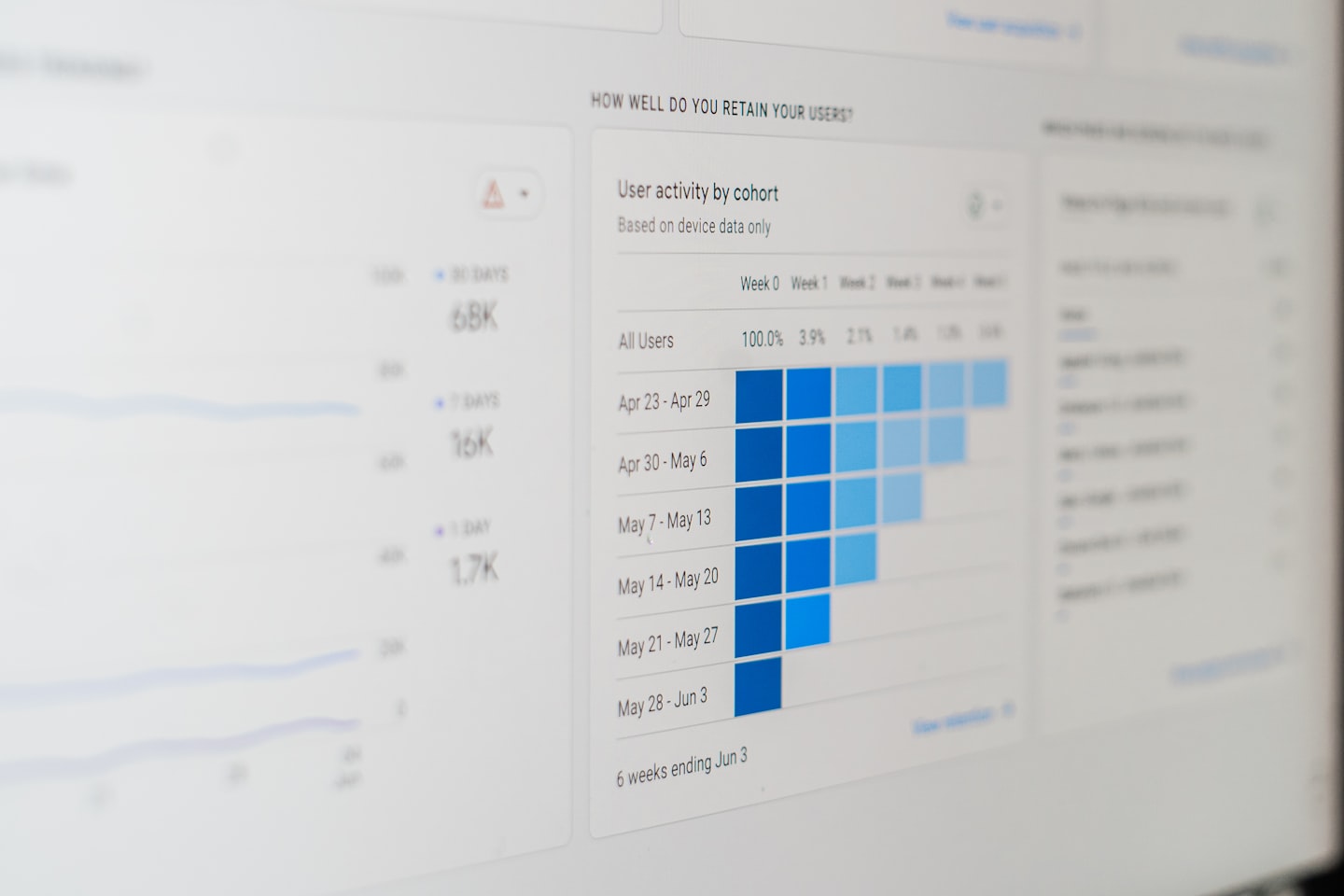
Before a switch, it is worth checking the last 10 posts, the last 20 DMs, and the last 30 days of renewals. That does not require a giant dashboard. It only requires a clear look at where the money actually comes from. If PPV is producing the spikes and renewals are weak, the page may need a different mix, not just a different caption style.
A simple decision check before you switch
Use five questions to decide whether no PPV is a good fit: can the subscription price carry the feed, do fans already complain about repeated unlocks, can tips or customs replace meaningful revenue, is your posting cadence steady enough, and are you trying to fix a trust problem or just a revenue-spike problem?
If the answer to most of those is yes, no PPV is worth testing. If most answers are no, the page probably needs a hybrid model or a stronger PPV structure instead of a clean switch. The point is not to make the offer prettier. The point is to make the economics honest.
For readers comparing this with broader subscription setup choices, the next step is to review a companion guide that goes deeper into how the offer should be framed around access, upsells, and renewals. If you want that comparison, follow {{cta_text}} Next.
Where Scrile Connect fits this picture
When no PPV is a deliberate offer choice, the platform underneath starts to matter. A white-label stack like Scrile Connect lets creators and teams keep the subscription layer, add tips or paid messages where they make sense, and control access rules without being stuck with a platform’s default paywall behavior.
Ready to build the setup behind this?
If this is the operating problem you need to solve, use the product page as the next step. It shows where build your setup fits and what the platform covers beyond a single payment widget.
Frequently asked questions
Does no PPV mean fans never pay extra?
No. It means the main feed is included in the subscription. Extra payments can still come from tips, paid DMs, customs, bundles, or rebills.
When does no PPV stop working well?
It tends to stop working when the subscription price is too low for the posting volume, or when the audience mainly wants rare premium drops. Low-cadence pages feel that first.
What is the biggest risk when switching from PPV?
The biggest risk is removing PPV without replacing the revenue path. If tips, customs, or a stronger base price do not fill the gap, income can fall even if retention improves.
How do you know PPV fatigue is already hurting the page?
Look for repeated complaints about double charging, more refund requests, and renewals dropping after heavy unlock weeks. Those are early signals that the offer is wearing out.
Can a hybrid model work better than pure no PPV?
Yes, if the premium layer stays rare and clearly optional. Hybrid fails when the bonus content becomes routine or when fans cannot tell what is included and what costs extra.
Should a low-volume creator use no PPV?
Usually not as a pure model. Low-volume pages often need either a higher subscription price, a stronger niche, or occasional premium drops to keep the economics healthy.

Builds SaaS platforms for content creators, agencies, and entrepreneurs. Writes about the business mechanics behind creator-economy products and how custom software actually ships.