Quick answer
If you control the monetization site, recover checkout abandonment in this order: confirm that payment actually failed, classify the likely cause, fix technical and trust friction, then follow up only with people who consented to that channel. Suppress buyers, refunds, opt-outs, duplicate attempts, and hard payment failures. Test against a holdout group and judge the workflow by incremental contribution margin, not by clicks or orders credited to a reminder.
Diagnose OnlyFans checkout abandonment before chasing it
OnlyFans checkout abandonment should be treated as a diagnostic signal, not an automatic reason to discount. The useful question is which eligible buyer encountered a recoverable obstacle. Start with payment and event data; a reminder cannot repair a broken gateway, and a discount cannot create intent that was never there.
A fan opens the payment page after weeks of liking your teasers, then disappears. The tempting response is immediate: send a coupon. That move mixes four different stories—technical failure, price hesitation, lack of trust, and intentional exit—and pays for the confusion with margin. OnlyFans itself does not give creators full control over its checkout or abandoned-payment messaging. The operating workflow in this article therefore applies when you also run an owned paid-content site and can lawfully collect events and communication consent.
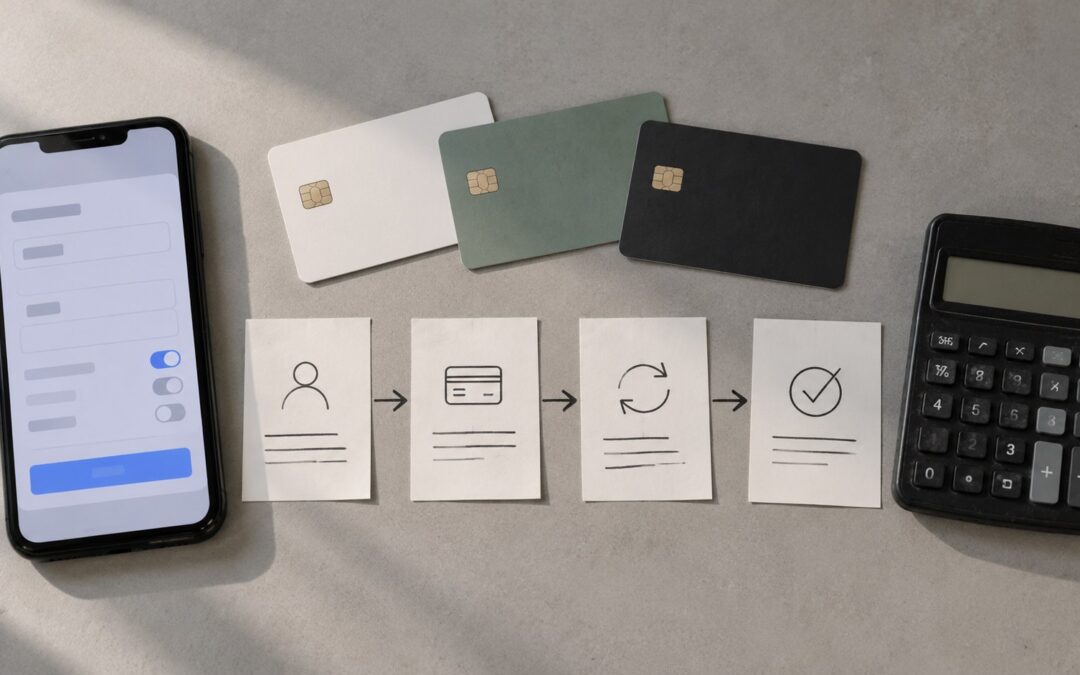
Define an eligible abandonment narrowly: a known visitor starts a purchase, reaches the payment step, does not produce a successful order after the normal processing window, and has permission for the proposed follow-up channel. Exclude anonymous visitors unless they later identify themselves with valid consent. Also exclude completed purchases, pending payments, refunds under review, obvious test accounts, repeated events from the same attempt, and people who opted out. An unfinished form is an event, not permission.
Keep acquisition context attached to the event. A buyer arriving from twitter onlyfans promotion may know your persona but not your billing name; someone from onlyfans subreddits may be comparing several creators; a loyal chat follower may simply have hit a card error. Source does not prove motive, but it gives you a better question to investigate. This is why checkout recovery begins with evidence, not a louder sales message.
Use a cause matrix, not one generic reminder
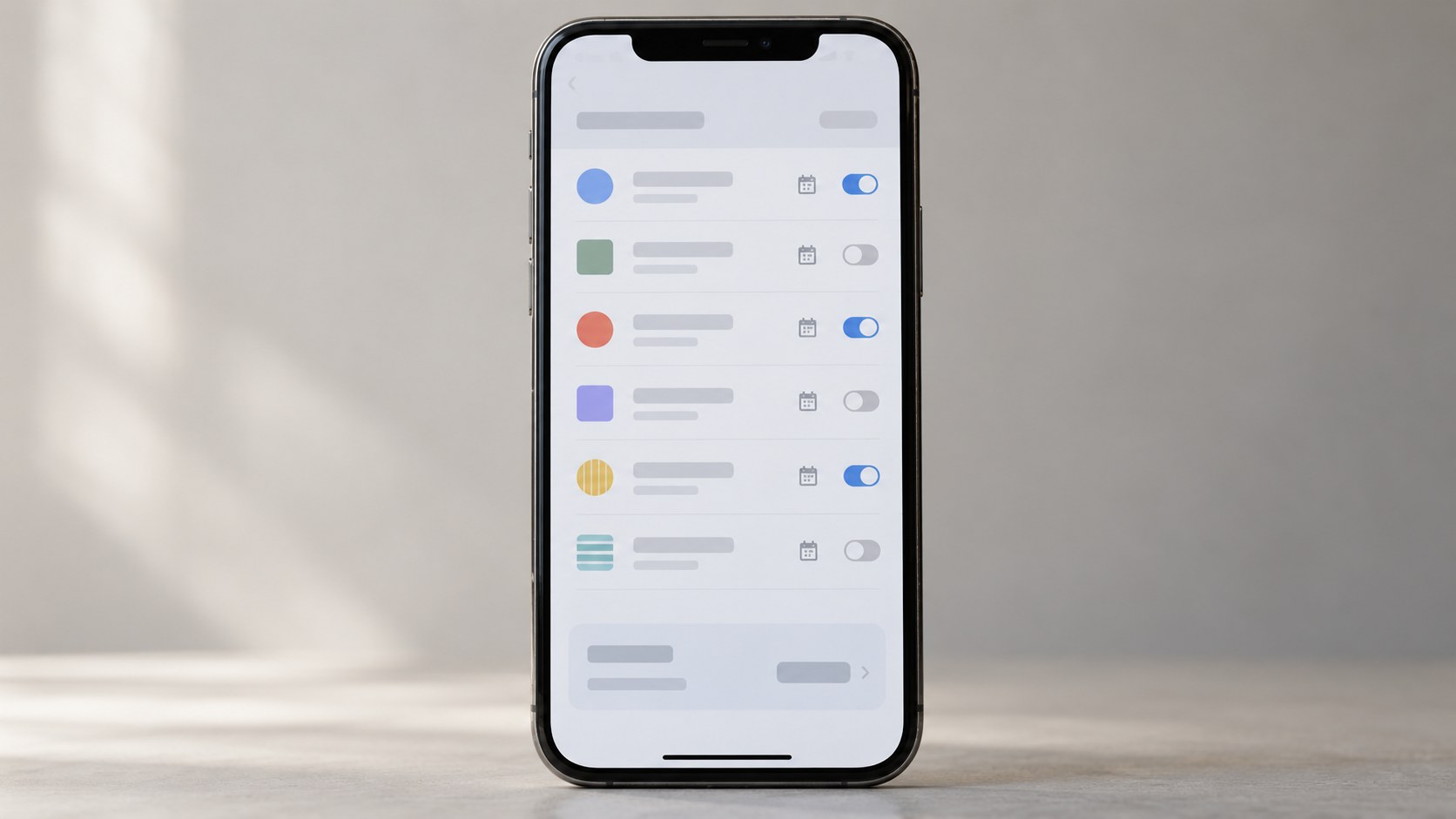
Classify each abandonment by the strongest observable signal, then choose the smallest response that addresses it. If the evidence is weak, improve the checkout for future visitors instead of guessing at one fan's private reasons.
| Likely cause | Observable signal | First response | Do not do |
|---|---|---|---|
| Technical failure | Gateway error, timeout, or repeated failed submit | Check status; offer a supported alternative route or support contact | Describe the card as declined when the status is unknown |
| Price hesitation | Price viewed, no error, exit after total appears | Restate what access includes; test a limited offer only if margin allows | Train every buyer to wait for a coupon |
| Trust friction | Exit near billing, privacy, or renewal information | Clarify billing descriptor, renewal terms, privacy, and support | Hide terms behind urgency |
| Intentional exit | Clean session, no error, no return, weak prior intent | Suppress or use one gentle reminder if consent exists | Create a pressure sequence |
| Unknown | Missing or contradictory events | Repair instrumentation and leave the person alone | Invent a motive from traffic source |
The matrix is a decision aid, not a mind reader. A clean exit after the price appears can indicate cost, distraction, privacy anxiety, or simple curiosity. Use support replies and aggregated patterns to refine the classification. If many attempts fail at the same gateway state, pause promotion and test the purchase yourself. Buying more traffic while payment is broken is impressively efficient at producing more broken payments.
For adult-adjacent content, trust copy must answer the questions buyers hesitate to type: what appears on a statement, whether access renews, how cancellation works, what content the tier includes, and where support lives. State only what your actual gateway and policy guarantee. Improve your onlyfans landing page when the promise before checkout differs from the offer inside it; recovery copy cannot reconcile a bait-and-switch.
Build a consent-safe recovery sequence
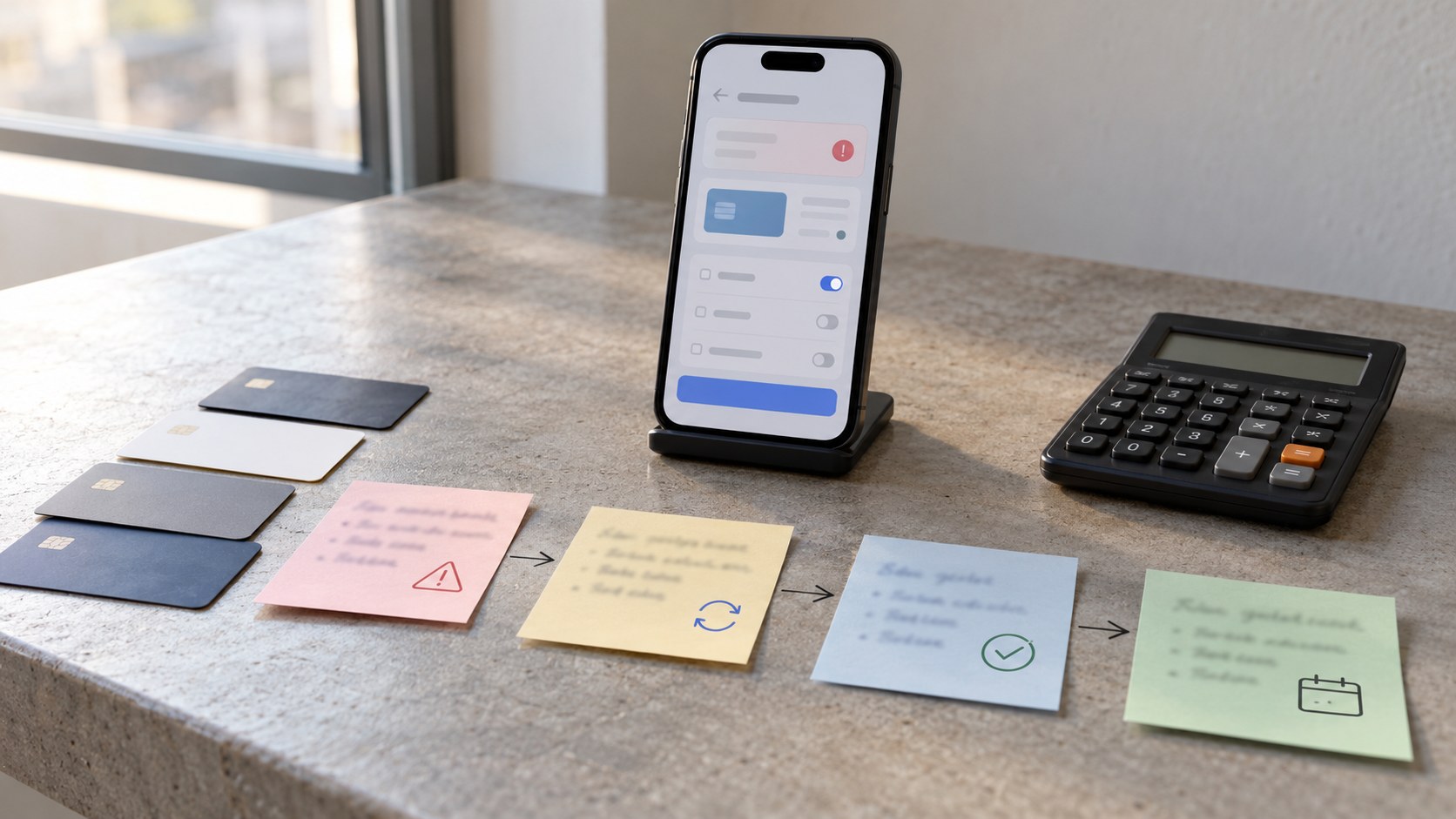
A workable sequence validates the event, waits for late payment confirmation, selects a cause-specific message, and suppresses the person as soon as the reason to contact them disappears. Timing and incentives are policies to test, not universal rules.
- Validate that checkout reached payment, no completed or pending order exists, and the identity is not a test or duplicate.
- Confirm channel-specific consent and record the policy version, source, and time; never convert payment details into marketing permission.
- Wait for the proposed one-hour processing buffer, then send a service-style note only when a technical issue is known or support is genuinely available.
- At the proposed twenty-four-hour point, send one cause-matched reminder that restates access, terms, or a supported payment route without manufactured urgency.
- At the proposed seventy-two-hour point, close the sequence; use a capped incentive only for a preselected eligible segment, never for technical failures.
- Suppress immediately after purchase, opt-out, refund dispute, hard bounce, fraud flag, support escalation, or the sequence end.
A useful message identifies the attempted purchase without exposing sensitive details, links back to the correct offer, explains the relevant term, and provides a real support path. It should not mention inferred adult interests in a subject line or notification preview. Keep transactional help separate from promotion: consent to receive a receipt or security message does not automatically cover a sales sequence.
Set the incentive ceiling before results arrive. Base it on contribution margin after gateway fees, creator or agency payouts, delivery costs, refunds, and the discount itself. Segmenting by onlyfans niche marketing can help align the offer promise, but it does not justify different privacy standards. If plain clarification recovers the purchase, a discount merely buys an order that was already returning.

Measure recovered contribution margin, not attributed orders
The recovery program earns its place only when it creates more contribution margin than the control experience. A holdout group separates purchases caused by the sequence from buyers who would have returned anyway.
Consider a hypothetical monthly cohort of 500 eligible abandoned checkouts on an owned creator site. Randomly assign 400 to the recovery sequence and 100 to a no-message holdout. Assume 48 exposed buyers and 7 holdout buyers complete payment within the same seven-day measurement window. Also assume a hypothetical $20 gross receipt per recovered subscription, with $5 in variable gateway, delivery, payout, and expected refund costs per completed order. These are teaching assumptions, not benchmarks.
The exposed conversion rate is 48 ÷ 400 = 12%; the holdout rate is 7 ÷ 100 = 7%. Expected baseline purchases among 400 exposed people are 400 × 7% = 28. Incremental purchases are therefore 48 − 28 = 20. Contribution per order is $20 − $5 = $15, so incremental contribution is 20 × $15 = $300. If the hypothetical sequence costs $80 to run, recovered contribution margin after program cost is $300 − $80 = $220.
A dashboard might credit all 48 exposed purchases to reminders and report $960 in gross receipts. That is not the business result: the holdout suggests 28 purchases would have happened without contact, and gross receipts ignore variable cost. Keep the assignment fixed at abandonment, use the same observation window, and count refunds and chargebacks once. A small cohort will be noisy; accumulate more eligible events rather than declaring victory from a lucky week.
Compare the final figure with your OnlyFans customer acquisition cost only when cohorts and definitions match. Recovery improves value from traffic already acquired; it does not make poor-fit traffic free. If a promoter reports clicks while your eligible checkout starts barely move, the adjacent decision is whether to hire an onlyfans promoter with event-level reporting and clear traffic-quality terms.
Implement the workflow in the right order
Instrument and test the purchase path before automating messages. The method does not fit when you lack checkout control, reliable consent, stable payment status, or enough eligible events to compare outcomes responsibly.
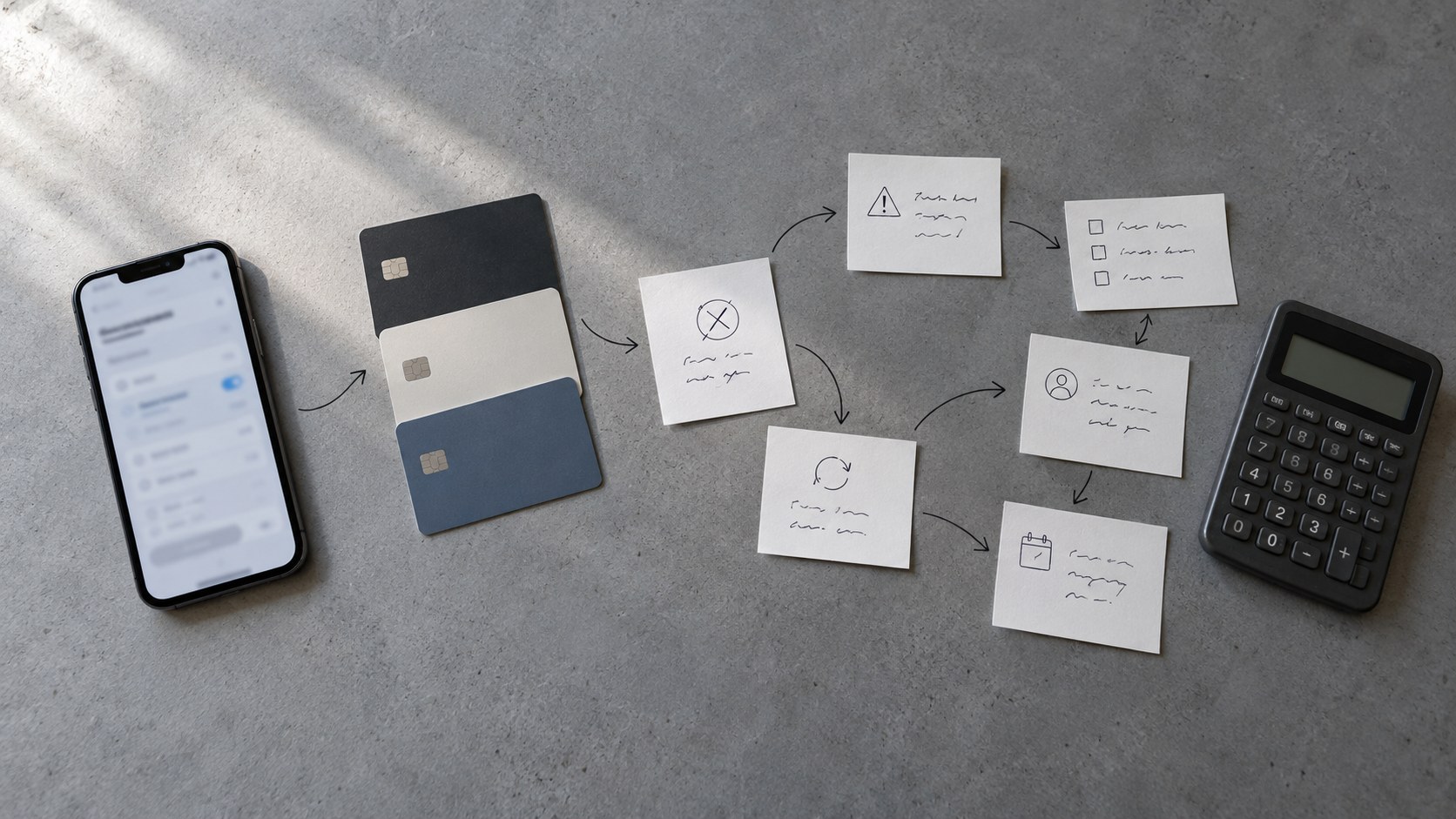
- Map checkout_started, payment_pending, payment_failed, purchase_completed, refund_opened, and consent_changed events with a shared attempt identifier.
- Run real low-value test purchases across supported devices and payment routes; verify success, failure, delay, refund, and duplicate-submit behavior.
- Publish accurate offer, renewal, privacy, billing, cancellation, and support information before sending any recovery message.
- Launch with technical-help and trust-clarification messages; add price incentives only after measuring a clean no-discount baseline.
- Randomly reserve an eligible holdout, audit suppression daily at launch, and review incremental contribution margin by cause and source.
- Your first verifiable next action is one test abandonment: confirm the event fires once, no message arrives without consent, and a later purchase stops the sequence.
Do not run recovery from scraped contacts, purchased lists, or a platform export that lacks communication permission. Do not retry payments without explicit authorization. A hard decline, fraud signal, chargeback dispute, vulnerable customer complaint, or privacy request belongs with payment support or compliance—not a cleverer sales line. Rules differ by location and channel, so confirm the requirements that apply to your business before launch.
If you sell only through OnlyFans, focus on the surfaces you can control: honest promotion, a clear profile, consistent offer positioning, and support. An owned destination becomes relevant when you need your own domain, branding, content rules, payment integrations, and event logic. That is an operating choice, not an excuse to copy fan data into a new system without permission.
Own the checkout before you optimize recovery
Checkout recovery requires control over the destination, payment integrations, communication rules, and operational data. Scrile Connect is hosted white-label software for launching a branded creator or paid-content platform with your own domain, subscriptions, pay-per-view content, messages, calls, streams, administration, creator payouts, moderation, and supported card, crypto, and alternative payment gateways. Its Solo plan is listed at $79 per month after a 14-day free trial, with 0% platform commission. Confirm gateway availability and compliance needs for your market before choosing the setup.
If owning that operating layer matches the decision you reached above, Explore Scrile Connect to assess the platform against your checkout, consent, and measurement requirements.
Frequently asked questions
What is OnlyFans checkout abandonment?
It describes a visitor beginning a purchase but leaving before confirmed payment. Creators cannot directly control OnlyFans checkout; detailed recovery workflows apply to an owned paid-content site where the operator controls events, consent, and messaging.
Can I message every person who abandons checkout?
No. Message only an identified person with valid permission for that channel and purpose. Suppress opt-outs, purchasers, pending payments, disputes, hard bounces, fraud flags, and any contact whose consent cannot be verified.
How soon should an abandoned checkout reminder arrive?
There is no universal timing. Allow payment status to settle, then test a modest policy such as technical help after one hour and one reminder after twenty-four hours. Treat those timings as proposed settings and compare them with a holdout.
Should I offer a discount in the first reminder?
Usually start with clarification or technical help. A discount can reduce margin and teach buyers to wait. Test it only for a defined segment, set a ceiling from contribution economics, and exclude known technical failures.
What should an abandonment message say?
Identify the attempted offer discreetly, provide the correct return link, clarify the relevant price, renewal, privacy, or billing point, and offer genuine support. Avoid sensitive details in subject lines and false urgency.
How do I know whether recovery caused the sale?
Randomly keep an eligible no-message holdout. Compare completion rates over the same window, estimate baseline purchases in the messaged group from the holdout rate, and count only the difference as incremental.
Which metric matters most for checkout recovery?
Use incremental contribution margin after variable costs, discounts, expected refunds, and program cost. Open rate and attributed revenue can help diagnose messages, but neither proves the workflow created profitable purchases.
When should I stop a checkout recovery sequence?
Stop immediately after purchase, opt-out, refund dispute, fraud flag, hard bounce, support escalation, or the planned sequence end. Also pause the entire workflow when gateway status or event tracking is unreliable.

Project lead at Scrile. Helps clients pick what actually moves growth and bridges them with the engineering team. Writes about the operational side of software delivery — scoping, requirement translation, and vendor-team alignment.