Quick answer
OnlyFans doxxing means exposing identifying information that connects a creator to their private life, potentially enabling harassment. If your name, address, workplace, or personal account appears, assess immediate danger, preserve evidence when safe, pause the promotional route involved, and request removal. Rebuild the exposed identity boundary before restarting that route. A new username alone does not close the connection.
OnlyFans doxxing: stop the exposed route first
A promotional reply includes your workplace, and suddenly the issue is no longer whether the post converts. OnlyFans doxxing calls for containment when someone exposes a legal name, location, contact detail, or personal account that connects your creator identity to your private life. Pause the route carrying that connection while you assess what it reveals.
Separate the incident from nearby problems. An account pretending to be you is impersonation; a reposted paid video is content piracy. Either can accompany doxxing, but the privacy incident is the identifying information attached. A copyright complaint about a photo may leave its caption containing your address untouched. Record each problem so the removal request addresses the actual exposure.
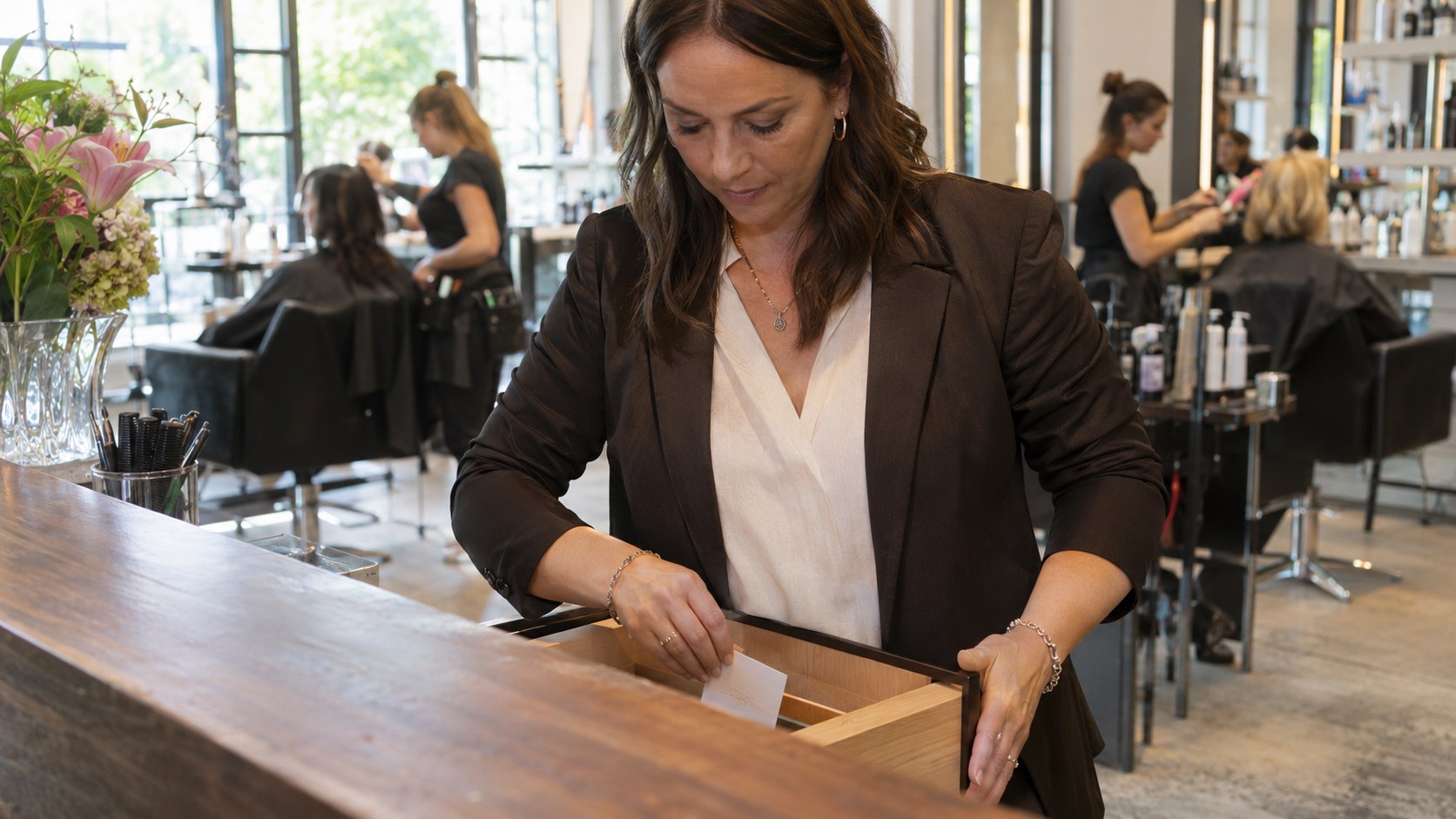
Consider this hypothetical scenario: Maya promotes glamour subscriptions under a stage name. She reuses a portrait from her personal Instagram account in a public teaser. Someone follows that connection, finds a tagged salon photo, and posts her legal name and workplace under the teaser. Assume there is no exposed home address or direct threat, but the salon accepts walk-in visitors. That workplace detail changes the response even without a threat.
Maya initially wants to delete the reply and keep her promotion running. The discovery is that the reply is only the visible endpoint: the reused portrait and personal tags still connect the accounts. Her better decision is to pause that teaser, preserve the incident, and address the connection before reusing the campaign. She can explain a posting delay without telling fans which salon to search for.
If someone threatens to visit, names your current location, or appears nearby, prioritize physical safety and local emergency help over screenshots. Move somewhere safer if possible and contact someone you trust. You do not need to prove a crime or finish an incident log before asking for help. Where there is no immediate danger, evidence capture can come before deletion.
Use a containment sequence with a safety override
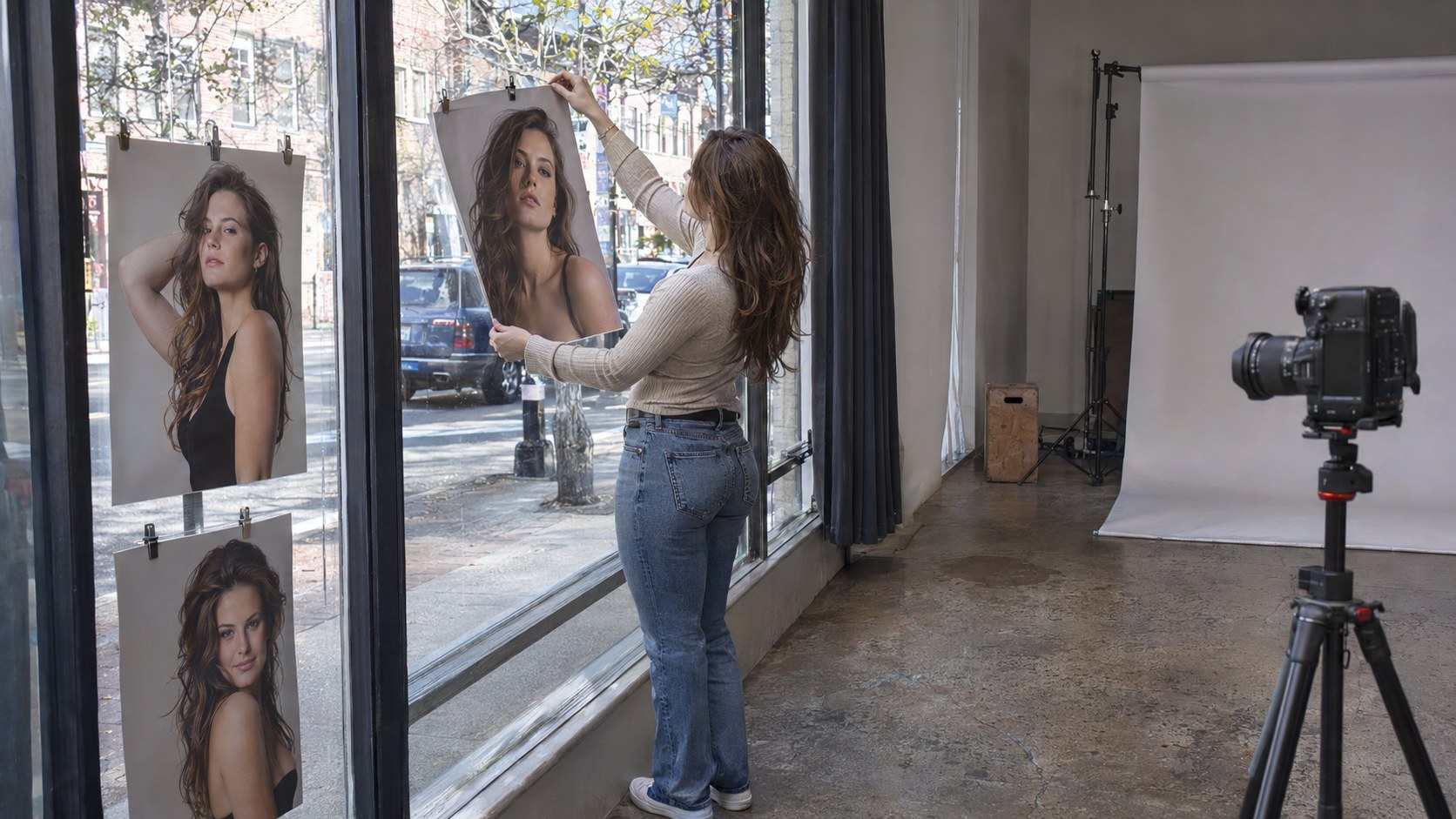
Use this proposed sequence to decide what to do next. Immediate danger overrides the order; otherwise, save enough evidence to explain the incident, isolate the exposed route, and submit precise removal requests. Work from the information disclosed, not the size of the account posting it.
| What you find | Immediate decision | What to record or verify |
|---|---|---|
| Threat, current location, or attempted visit | Seek safer surroundings and local emergency help | Location and threat details, only if safe to capture |
| Legal name or linked personal profile | Pause the connecting promotion; restrict the personal route | Post URL, account, timestamp, and connecting link |
| Workplace, address, phone, or private email | Notify affected people privately; request privacy removal | Exact disclosed detail and where it appears |
| Copies or search results after deletion | Track each remaining location separately | Original removal status, copy URLs, search listing |
| Original removed, connection still discoverable | Keep that promotional route paused | Logged-out check of the connecting path |
Capture the post address, account handle, visible date, surrounding context, and the identifying information shown. Save screenshots somewhere access-restricted, with a short note of what happened. Preserve threatening messages without engaging the sender. If a screenshot includes your address, it belongs in a private evidence file, not a public warning post. Ask a trusted person to help document copies if looking at them becomes overwhelming.
Interrupt the connection: pause scheduled posts using the exposed asset, remove the affected bio link, and restrict the linked personal profile. Ask promoters to identify their placements and stop reusing that material. If unauthorized logins suggest account compromise, use the account recovery process too. Privacy exposure alone does not prove someone accessed your login.
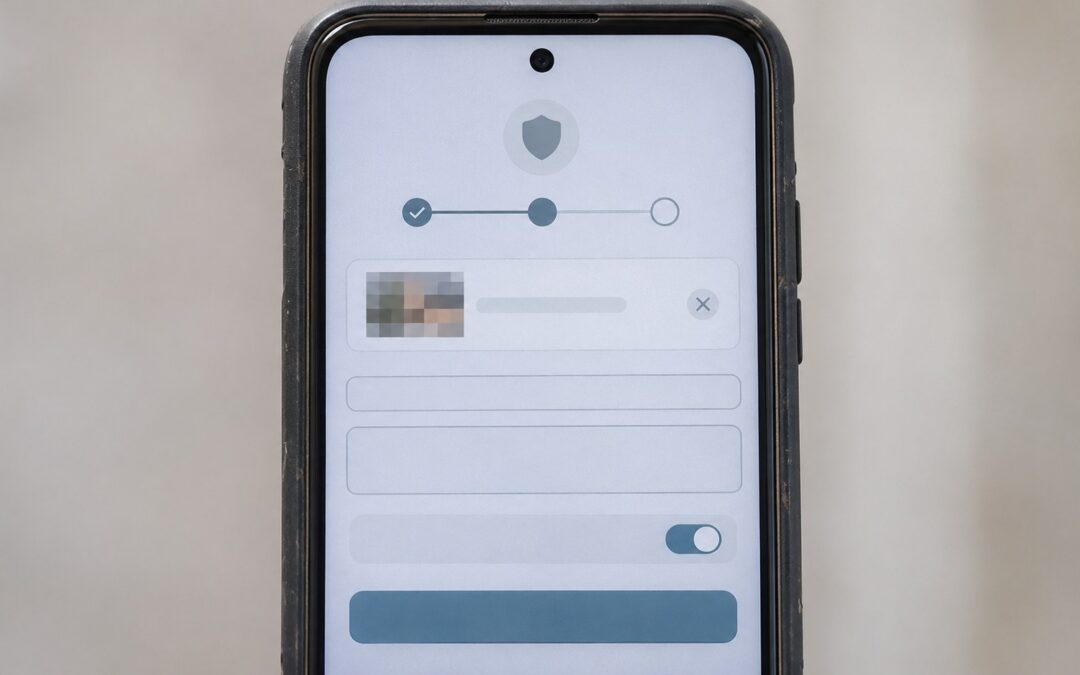
Send a focused privacy report through the service hosting the disclosure. State what identifies you, where it appears, that you did not consent to its publication, and what you want removed. A useful template is: 'This post connects my creator profile to my private workplace without my consent. Please remove the identifying caption and attached image.' Provide sensitive proof only through an appropriate private reporting channel, and only as needed.
Keep the report reference and outcome beside each URL. Removing the original does not establish that reposts, saved copies, or search listings disappeared. Request removal from each remaining host; where a search service offers a relevant removal route, treat that as a separate request. A hidden search result can still have a live source page. Verify both rather than treating a confirmation email as the finish line.
If reporting fails or harassment continues, take the evidence to appropriate local support: a victim-support service, a lawyer familiar with privacy or harassment, or police where threats or stalking are involved. Available remedies depend on location and circumstances. Do not bargain with someone demanding payment to stop exposure; preserve the demand and seek help assessing it.
Warn the people affected without widening the audience
Tell people who need to act privately before deciding whether fans need an update. Communication should reduce access to the exposed information, not provide a guided tour of it. A public explanation is optional; your safety response does not require an audience statement.
In Maya's hypothetical case, she privately informs the salon manager that someone has connected her creator work to the salon. She asks staff not to confirm her shifts, contact details, or presence to unfamiliar callers. They agree who will handle concerning inquiries. This is a proposed practical arrangement, not a guarantee of safety or an employment-law requirement. The response reflects the walk-in setting assumed earlier.
If followers have seen the disclosure, Maya can say: 'Someone shared private identifying information without my consent. Please do not repost it or contact anyone mentioned. Send the post link privately through my existing creator contact channel.' She does not quote the name, tag the salon, or publish the screenshot. Asking fans to confront the account can multiply attention and create more material to manage.
This is also a reason to review how you hire an OnlyFans promoter: placement visibility and clear permissions matter when a campaign needs to stop. A promoter who cannot identify where an asset went leaves you searching blind. For Maya, the immediate consequence is a delayed campaign; the better long-term choice is keeping a placement record before the next launch.
Repair the connection before you restart promotion
Restart based on a checkable boundary, not relief that the offending comment disappeared. Map how someone moved from the creator post to personal information, then change that route. A fresh handle helps little if the same portrait, contact link, or public tag reconnects the identities.
Maya's assumptions have not changed: her workplace and legal name were exposed, with no known home address disclosure or direct threat. She retires the reused portrait from promotion, reviews public personal tags, and asks the salon to remove the identifying staff post. Those steps address the discovered route. They cannot make everyone who saw the original forget it, so she keeps the workplace contact plan in place.
Check public-facing clues around the route: reused usernames, personal email links, old bios, tagged photos, visible mail, recognizable entrances, and location captions. Review files for embedded location data before uploading instead of assuming a service will remove it. Use separate creator contact details where practical. Keep lawful private identity verification with providers separate from the details you choose to publish to fans.
Test the revised route while logged out: open the teaser, follow its public links, inspect the profile, and check whether the personal account or workplace remains directly reachable. Record what you checked and any remaining exposure. This test verifies that particular path, not anonymity across the internet. If the connection persists, keep that route paused and work on the unresolved source rather than simply posting a replacement teaser.
When comparing the best platforms to promote OnlyFans, include whether you can control public replies, remove placements, and avoid linking personal networks. Reach is useful only if the route suits your boundaries. A channel that depends on revealing your daily whereabouts may be a poor match even when the audience seems interested. Choose the next placement around what you are willing to make discoverable.
Make the next action verifiable, then consider more control
Your next action is to record the exposed route, its current status, and who owns the unresolved task. Promotion can resume selectively when the relevant checks support it. Moving to your own branded site is a separate business decision, not an emergency remedy for doxxing.
- Record the disclosure and assess immediate safety; seek urgent help when needed.
- Pause affected assets and links, then submit precise privacy-removal requests.
- Notify affected people privately and agree how to handle unwanted contact.
- Repair the discovered connection and check it through the public visitor route.
- Document unresolved copies and support needs before choosing which promotion to resume.
Write a plain status note: 'Original caption removed; linked personal tag removed; repost still reported; affected teaser remains paused.' Separate confirmed results from pending requests. If you cannot safely check a detail yourself, assign it to a trusted helper or appropriate professional. This creates a usable handover when you need a break and prevents an unanswered report from quietly becoming an assumed removal.
Maya can prepare different promotional material while the exposed teaser stays paused. She does not owe followers a more personal story to compensate for the interruption. Her restart decision rests on the repaired route and the salon's response plan, with any remaining reposts tracked separately. If unwanted visits or threats develop, the earlier assumptions no longer hold and safety support takes priority again.
An OnlyFans landing page can give you a place to update destination links, but its public contact details, domain registration exposure, and linked profiles still need review. Owning the page does not make the person behind it invisible. The useful question is whether a visitor can reach only the information you intended to publish, and whether you can change that route without chasing every old promotional post.
For a creator planning a branded paid-content business, control over pricing, access rules, and fan interactions may justify evaluating separate platform software after containment. Budget for operating responsibilities as well as software: reporting, moderation, privacy decisions, and suitable payment providers still need owners. Do not turn an upsetting incident into a rushed migration. First establish what failed; then decide which controls a different setup would actually improve.
Build a branded business after containment
If your next decision is to operate a paid-content site under your own brand and domain, Scrile Connect provides hosted white-label software with subscriptions, paid content, messaging, and creator payouts. You can configure pricing and access rules without building the software from scratch.
It is platform software, not a doxxing-removal service or a guarantee of anonymity. You still need privacy procedures and payment providers appropriate to your content, business model, and markets. Evaluate that move against the operating control you need after the immediate incident is contained.
Frequently asked questions
What counts as OnlyFans doxxing?
It is exposure of identifying information connecting a creator to private life, such as a legal name, workplace, address, phone number, or personal account. It can happen alongside impersonation or piracy, but each problem needs a report that addresses what was disclosed.
Should I delete the post before saving evidence?
If it is safe, preserve the URL, account, context, and screenshots before deletion or reporting. If there is immediate danger, prioritize safety and local emergency help. Evidence collection should not delay getting somewhere safer.
Does changing my stage name solve the exposure?
A name change does not close a connection made through reused photos, personal links, or public tags. Identify and repair the route that exposed you, then test that route as a public visitor before deciding to reuse it.
Should I tell my subscribers what happened?
Only share what helps them act appropriately. If needed, ask them not to repost private information or contact people mentioned. Avoid repeating the disclosed details, and notify directly affected people privately.
Can removing a search result remove the original post?
No. Search visibility and the hosted post are separate locations to check. Report the original to its host and use relevant search-removal routes where available. Track copies and outcomes separately.
What if someone threatens to visit my workplace?
Treat a threatened visit as a safety issue. Contact local emergency services if danger is immediate, inform an appropriate workplace contact privately, and preserve the threat when safe. Seek local support rather than relying only on platform reporting.
Should I close my OnlyFans account?
Closing an account may reduce some activity but does not establish that exposed information or copies disappeared. Assess immediate safety, pause the route involved, and decide about account closure separately from removal and support needs.
Will running my own creator site prevent doxxing?
No platform can promise that public clues will not connect identities. A branded site can give you operating choices, but public contact details, linked profiles, moderation, and privacy responsibilities still need careful handling.
Head of HR at Scrile. Sets up the working relationship between company and employees so both sides come out ahead. Writes about team building, hiring patterns in SaaS, and the operating model behind sustainable engineering teams.