Quick answer
OnlyFans PR means earning editorial attention through podcasts, interviews, news features, and niche publications. Try a small pilot when you have a story with proof, a relevant outlet, acceptable exposure, a tested visitor destination, and preparation time. Repair a missing condition before pitching; decline incompatible identity requirements. Coverage, links, and paying subscribers are separate outcomes, even when you pay someone to help with outreach.
OnlyFans PR: decide what the attention should achieve
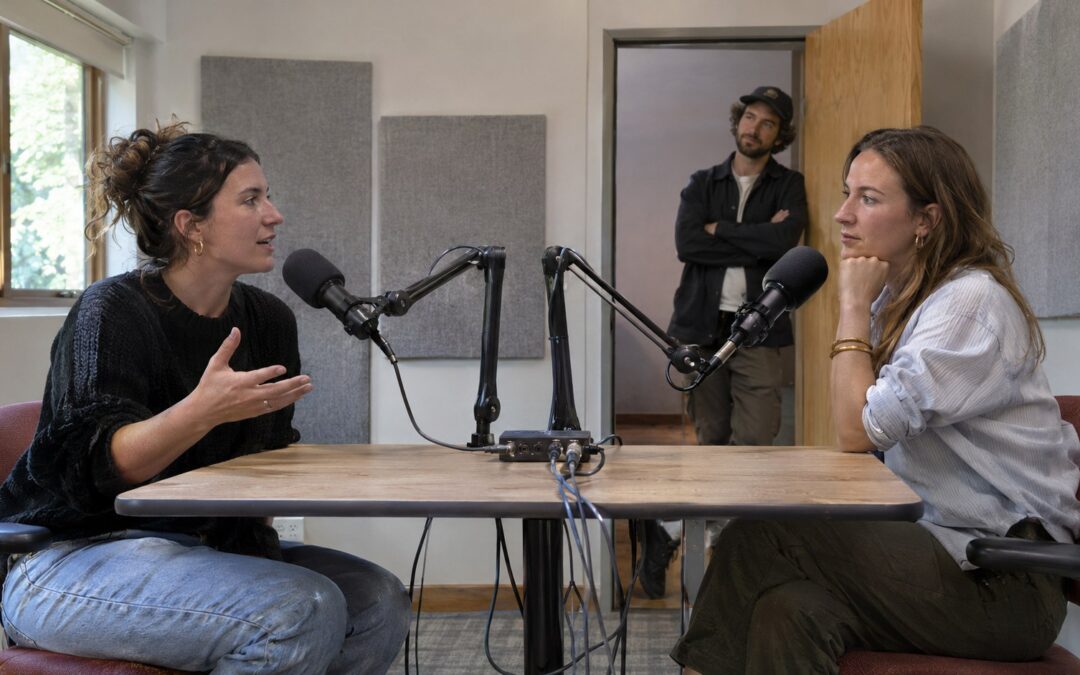
An interview invitation can arrive with a flattering audience figure and an awkward request to film at home. The reach looks useful; the conditions may make it unsuitable. Decide what interested listeners should do afterward before deciding whether the booking deserves your time.
OnlyFans PR means earned editorial attention for a useful creator story through podcasts, interviews, news features, or niche publications. The host or editor decides what to publish. Ask whether publication requires a placement payment: purchased exposure is a separate decision. Paying for outreach buys assistance, not an editorial yes, a link, or subscribers.
A conversation about creator bookkeeping could earn peer credibility or business contacts. It does not follow that those listeners want glamour content. If paying-fan interest is your goal, the story and outlet need a closer audience match. When that match is unclear, onlyfans audience research can help you identify whose interest you actually want before pitching.
Self-pitch when you can research outlets and substantiate your story. Postpone when proof is missing or fan delivery is already stretched. Hire limited help with research, rehearsal, or coordination if those tasks block progress. Keep ownership of claims, participation boundaries, and the fan offer.
Build a pitch that earns its place
Use the readiness sequence below before sending anything. A repairable gap means postpone and fix it; an unacceptable exposure condition means decline. Pitch only when the whole route works. This is a proposed operating method, not a score or an industry standard.
Mira and all results below are one invented illustration, not a forecast. She publishes glamour content under a stage name, accepts face and voice exposure, and keeps her legal name, home location, relatives, and fans private. She has eight preparation hours over two weeks without sacrificing weekends or fan content. Initially, she favors the biggest show.
| Field | Ready condition | Blocker and next action | Mira’s application |
|---|---|---|---|
| Story and proof | A useful experience with shareable evidence | Unsupported claims: replace them with a demonstrable experience | Redacted shoot calendar and permitted images support her planning story |
| Outlet and audience fit | Relevant published work, suitable format, acceptable framing | Wrong audience or no guest format: exclude the outlet | Keeps only outlets suited to her story and intended visitor action |
| Public identity and participation | Acceptable name, visuals, topics, location and distribution | Unclear essential conditions: negotiate an alternative or decline | Requests stage name and neutral remote recording |
| Visitor destination and response | A tested page fulfills the promise with a realistic response schedule | Broken or misleading route: repair before publication | Resource page with optional paid-content route is tested |
| Preparation and delivery capacity | Preparation fits around fan commitments; recording time is reserved separately | Content delivery would suffer: reduce the batch or schedule later | Keeps preparation allocation and reserves separate recording time |
Her angle is “How I batch a month’s glamour photos while keeping weekends private.” Planning, realistic output, and boundaries give listeners something useful. Her redacted calendar and images she has permission to share support the story without income screenshots or audience-size claims. If evidence cannot support a claim, narrow it.
Prepare short and longer stage-name bios, discussion points, approved non-explicit images with credits and usage permission, a public contact, a spoken introduction, and one destination. Exclude identifying documents and private fan details. Ask a trusted reader what identity, location, and promises the assets imply. Without past interviews, offer a practice introduction; previous coverage is not a prerequisite.
For this proposed pilot, research five outlets: hear two recent guest episodes per podcast or read two relevant publication pieces. Check the pitching contact, audience, format, treatment of creators, and identity or payment requirements. Match sustained conversation to podcasts, practical experience to niche features, and genuinely timely developments to news. In Mira’s batch, two outlets have no guest format and one uses unacceptable framing. Only two merit pitches.
The suitable show in this illustration has discussed creator burnout. Mira references that discussion below. In your own pitch, cite actual published work you have inspected; this fictional reference is not a real outlet recommendation.
Subject: Guest idea: glamour shoots without giving up every weekend. Hello, I’m Mira, a glamour creator publishing under a stage name. Your recent discussion about creator burnout prompted an episode idea: planning shoots while keeping weekends private. I can discuss planning, realistic fan expectations, and time off, with a redacted calendar and approved behind-the-scenes images. I speak from my own experience, rather than for every creator. Would this suit a future interview? I’m available for a remote recording and can send a bio and media kit. My public identity is Mira; I do not discuss my legal name or home location. Thanks, Mira.
Mira allocates her assumed eight hours as follows: two for story and evidence, one for boundaries and assets, two for research, one for pitches and tracking, and two for destination tests and practice. She reserves another two hours for recording and follow-up before accepting a booking. If those displace fan commitments, she offers a later date.
Use the outlet’s stated pitching route. Our proposed policy is a reminder around a week later, then at most one additional useful follow-up. Close the attempt after that. Record silence as no response and improve the angle and targeting before another small batch. Silence does not prove an agency would secure coverage.
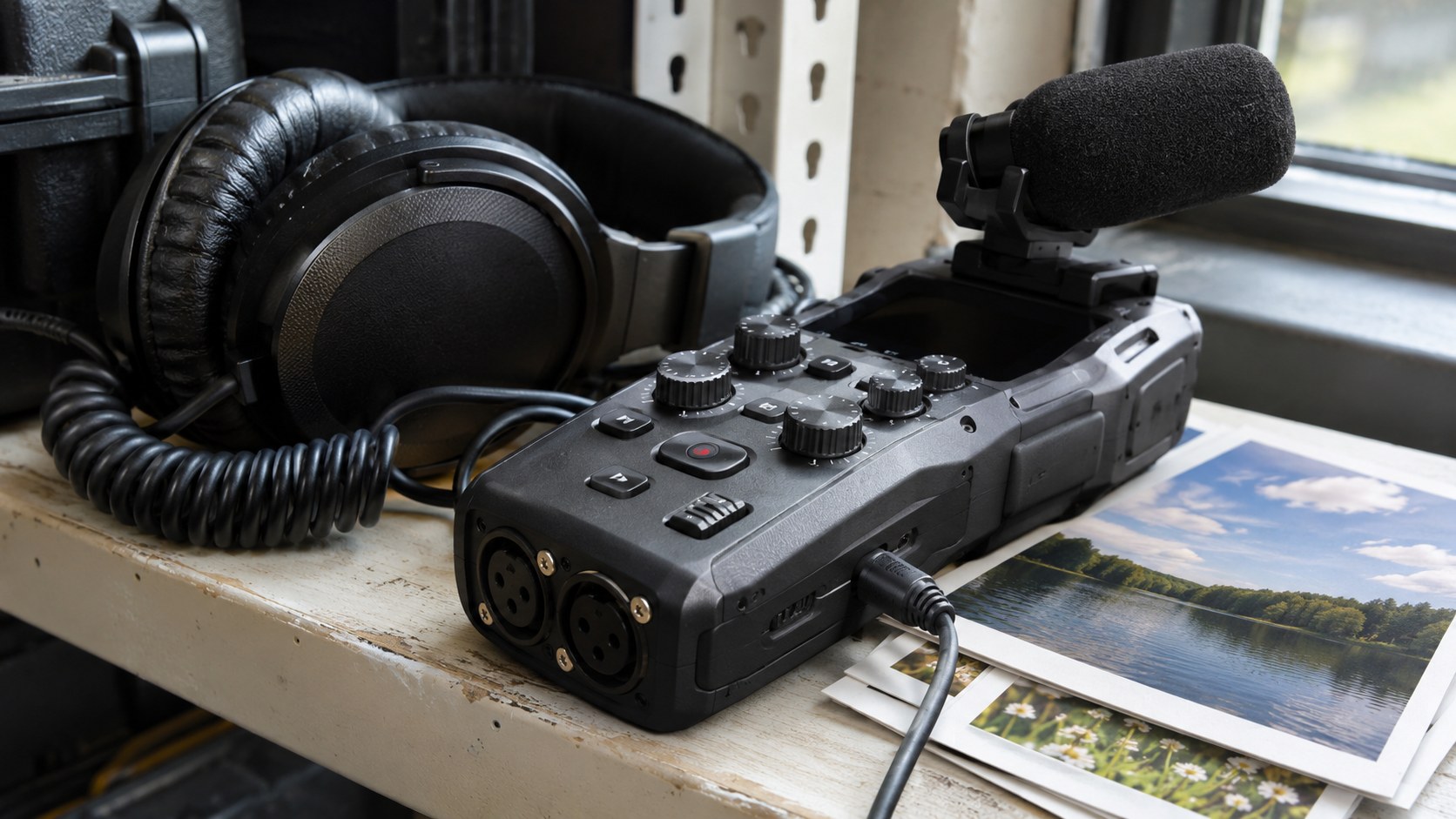
Accept the interview only within your boundaries
A stage name is a participation request, not anonymity. Face, voice, location clues, and the story itself may make you recognizable. If recognition would be unacceptable, decline an identifiable appearance. Otherwise obtain a clear written response to essential conditions before scheduling.
Send a boundary note before scheduling: “Please identify me publicly as Mira. I can discuss creative process and content boundaries, but not my legal name, home location, relatives, private fans, or identifying records. Please use only my supplied images. Before I agree, confirm whether this is live or recorded, how it will be edited and titled, and how my name, image, and clips will be distributed.” Include promotional posts in that discussion.
A producer accepts Mira’s stage name but requests home filming. She offers a neutral remote recording, which the producer accepts. If refused or left unclear, she would decline. Written conditions do not create advance editorial approval or eliminate recognition risk. Reach cannot settle that trade-off for her.
- Confirm interviewer, topic, date, time zone, duration, live or recorded format, publication plans, public introduction, and intended audience action.
- Prepare three short messages with examples. Rehearse an introduction and difficult questions aloud, staying within your expertise.
- Test audio, camera, lighting, and background; remove identifying clues. Ask about captions or a transcript and permission before reusing excerpts.
Mira practices: “I keep that private; I can explain how I organize my work.” Asked about income, she can explain production without sharing figures. Assume remarks may be published, including casual comments around the interview. If the host persists with unacceptable identifying questions, stop recording and restate the condition rather than relying on editing.
After publication, check your name, claims, images, introduction, and link before sharing. For an error or identifying detail, save the article location and screenshots. Ask the editor for a precise remedy: quote the exact passage, give the accurate fact or identify the exposed detail, and attach evidence or your prior boundary. For example: “Please remove the home-location detail in the introduction; I excluded it from participation, as shown in the attached correspondence.”
Pause resharing and further appearances. Reduce exposed details and incoming contact on destinations you control. Correction or removal is not guaranteed; resume only when remaining exposure is acceptable. For identity exposure or unwanted contact beyond an editorial correction, the OnlyFans doxxing response guide covers the next steps.
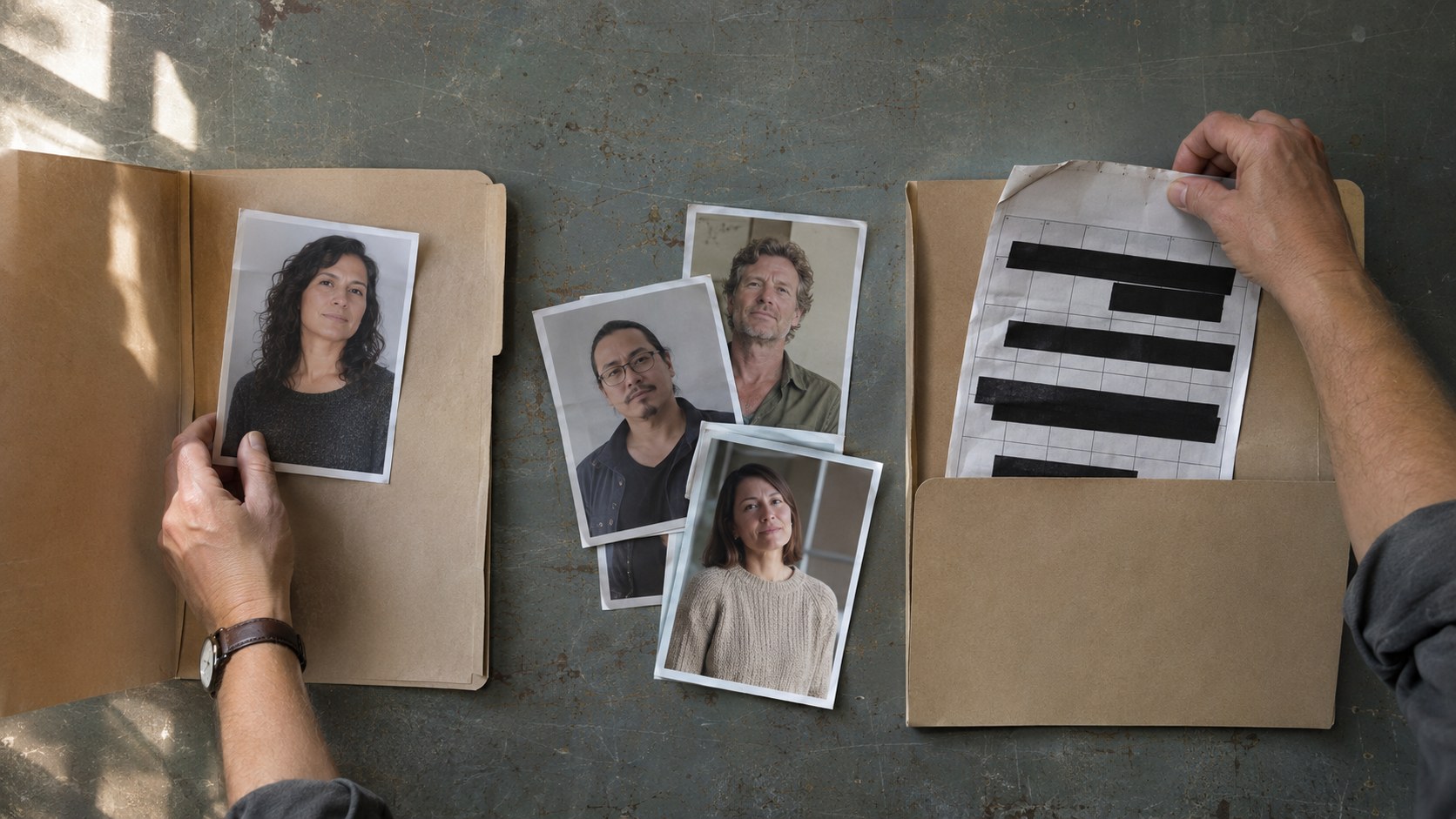
Give attention somewhere useful to go
An interested listener should arrive at a page that fulfills the appearance’s promise before asking for anything else. Give a public-safe introduction, an appropriate preview, and a clear next step. Explain any adult paid-content destination so visitors can choose whether to continue.
Mira’s existing public page has working Google Analytics and a tested resource signup: assumptions about her setup, not platform features. Visitors meet Mira, find the promised shoot-planning resource, and see a clearly labelled optional paid-content route explaining price, cadence, and interaction limits. A business audience may prefer the resource or a collaboration contact.
Test the route logged out on phone and computer: address, public previews, buttons, and offer. For an optional signup, use your own address to check delivery and unsubscribe. Prepare a welcome message and the next promised fan content. Agree the public destination with the producer where possible, avoiding obsolete links.
Mira reserves an assumed 60 response minutes. At three minutes per individual reply, that allows 20 replies. Her message says: “I answer messages on my next scheduled working day, Monday to Friday. An individual reply is not immediate or guaranteed.” Excess demand gets the prepared acknowledgment and updated availability, without displacing subscriber content.
With accessible, working Google Analytics on your own destination, use Campaign URL Builder to label the link. Mira uses utm_source=glamour_podcast, utm_medium=referral, and utm_campaign=creator_story. Keep spelling consistent. In Acquisition > Traffic acquisition, inspect Session source/medium and Session campaign. Tags on an external profile do not grant visitor or purchase data.
When the interview publishes, Mira checks its introduction and link and uses her response hour. At the proposed seven-day review, her invented results are 100 tagged visits and eight confirmed resource signups. Resource-signup rate is confirmed signups divided by tagged visits in the same window: eight divided by 100 equals 8%. That is resource response, not eight paying fans. Purchases remain unknown because attribution is unavailable. Record self-reported discovery separately, without adding it to visits as unique people.
Mira improves the explanation and placement of the optional fan offer before another batch and checks again at a proposed 30-day review. Diagnose the bottleneck: no suitable replies means revisit angle and targeting; publication without visits means inspect link and invitation; visits without actions means repair destination or offer. Actions that disrupt delivery mean fix capacity before expanding.
When your next destination needs your own brand
A branded creator site becomes relevant when the pilot exposes a destination need you can afford time to operate. An existing working page may be enough for your first appearance. Changing platforms is not a prerequisite for a credible pitch.
Identify the visitor task a site would improve: understanding the offer, previewing content, or reaching a paid experience. Test whether a newcomer can find the promised material and choose the next step without a personal explanation.
Reserve operating time alongside launch time. New messages and publishing promises must fit around existing fan work. Test the ordinary visitor path on a draft before sending an outlet’s audience there; the useful result is a route you can maintain.
Test a branded destination when the pilot justifies it
If you need and can operate your own branded fan site, Scrile Connect provides hosted software with subscriptions, paid posts, and paid messaging under your brand and domain. For one creator, Solo offers a 14-day free trial followed by $79 per month. Use the trial form to enter a subdomain, email, name, and relevant use case, then assess a draft destination through onboarding. Prepare your introduction and preview and test the visitor route. The trial establishes neither payment approval nor editorial coverage.
Frequently asked questions
What does OnlyFans PR mean?
It means seeking editorial attention for a creator story through interviews, podcasts, news features, or niche publications. Paid placement is a separate transaction.
Can a new creator get coverage?
A newer creator can pitch a useful evidenced experience. Prepare a truthful bio, approved visuals, and a practice introduction; previous coverage is not required to begin.
Do I have to pay for PR?
Earned attention is distinct from purchased placement. You may pay for preparation or outreach help, but that service does not establish an editorial booking.
Can I use a stage name?
Request it before scheduling and obtain a response to essential identity conditions. A stage name does not prevent recognition through your face, voice, or story.
What should my pitch include?
Include a specific story, a real reference to the outlet’s work, supporting proof, audience benefit, a scheduling request, and essential identity boundaries.
How often should I follow up?
The proposed approach is a reminder around a week later and at most one additional useful follow-up. Then close the attempt and reconsider fit.
What if published coverage is wrong or revealing?
Save evidence and request a precise correction or removal from the editor. Pause resharing, reduce exposure you control, and reassess before continuing.
How do I measure whether PR helped?
Separate suitable replies, publications, supported destination visits, confirmed actions, and workload. Leave purchases unknown when attribution is unavailable.
Product designer at Scrile. Focused on user value and business outcomes. Writes about interface decisions, design-system economics, and where UX investment actually pays back.